Spiritual power spots of Japan. Visit Awashima Shrine where the smallest Torii gates in Japan stand. This article explains the history and current popularity of this power spot.
Summary
Spiritual power spots of Japan. Visit Awashima Shrine where the smallest Torii gates in Japan stand. This article explains the history and current popularity of this power spot. We would also like introduce you to other interesting things to do on your visit to this area of Kumamoto!
Awashima Shrine In Kumamoto
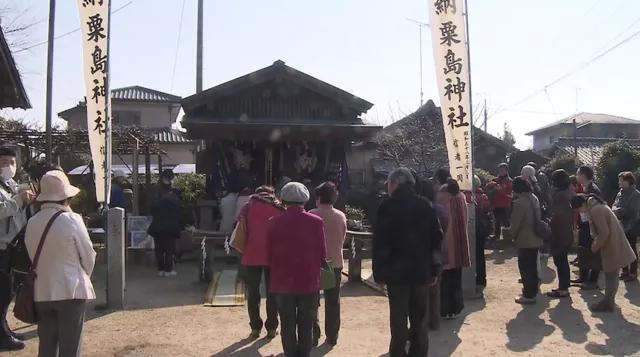 Awashima Shrine is located in Uto City in Kumamoto Prefecture, the west coast of Japan’s Kyushu Island. It was built in 1633 and is famous for its tiny Torii gates. The tiny gates at Awashima Shrine are known for divine favors such as curing diseases, safe childbirth and protection from evil spirits.
What Is A Torii gate?
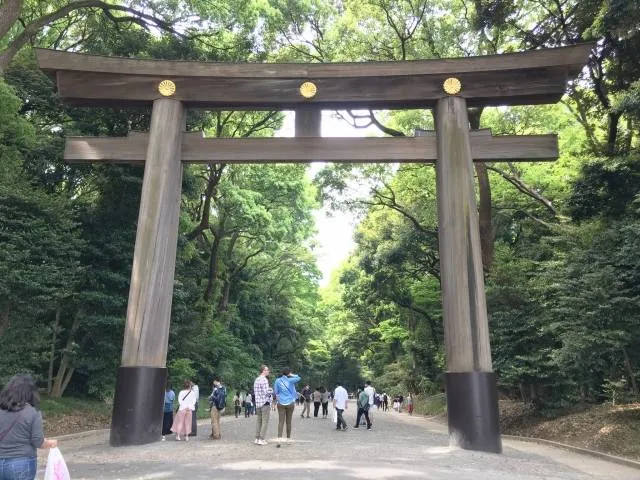 A Torii, gate is a special type of gate, traditionally made from wood or stone, that most commonly marks the entrance to a shrine. Passing through a Torii gate shows that you are passing from the normal everyday world into a spiritual area.
The earliest records of Torii gates being built in Japan can be traced back to the Heian period and texts from 922. The oldest existing stone Torii was built in the 12th century with the oldest wooden Torii having been constructed in 1535.
Some shrines will have many Torii, as wealthy individuals will donate money to build extra gates; Fushimi Inari-taisha in Kyoto is famous for having thousands of such Torii gates. Torii are also the easiest way to distinguish a Shrine from a Temple with Shrines being marked by a Torii shaped symbol on Japanese maps.
The Smallest Torii Gates In Japan
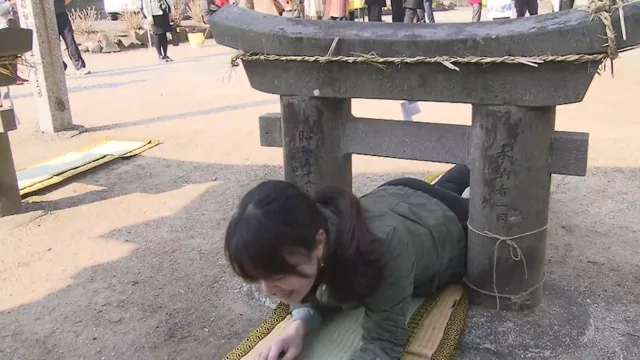
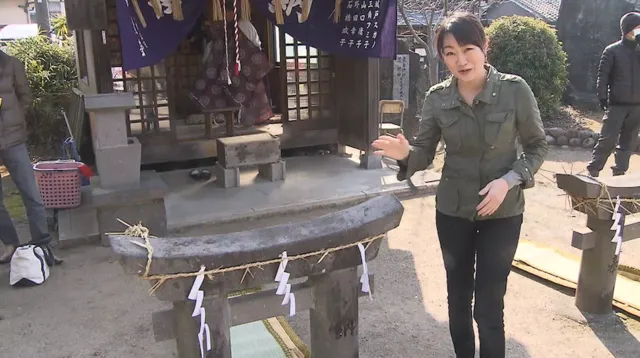 In the Awashima Shrine, there are three tiny Torii gates standing in front of the main shrine. These stone-made gates are around 12 in (30 cm) wide and 12 in (30 cm) tall, making them the smallest Torii gates in the entire country. As people have to literally lay on the floor and crawl under them, these Torii gates are also called “Koshinobe Torii”, meaning “back-stretching gate”. It is said that people with back pain felt better after stretching under the gate, especially in the past when farming was much more physically intensive work. The Awashima Shrine has always been worshiped by local people as a place of both physical and mental wellness.
Historical Anecdote
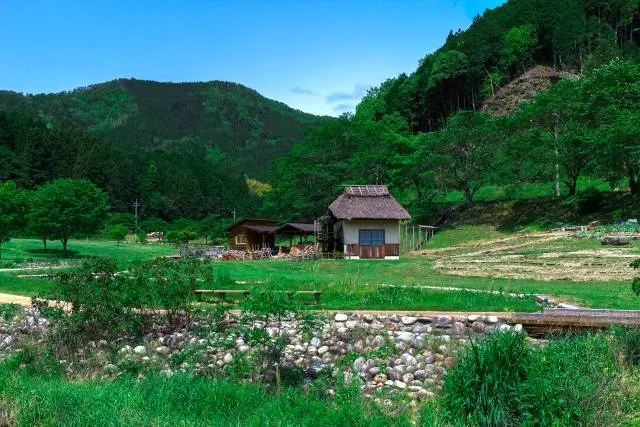 It is said that there was an old religious couple living here in the early Edo Period (1603-1868). This couple were visited by a travelling monk who from the look of his clothes was very poor. Being a very religious and honest couple they welcomed the monk, even though they did not have much to share. During the night, the woman was visited in her dream by God who said “I, the God of Awashima, bless you for your religiousness”. The next morning, the monk thanked the couple deeply for welcoming him and left. The couple then noticed the monk had left a small idol on the futon where he had slept. They went after the monk to return this to him but he had disappeared. Then the woman remembered her dream and told her husband. They believed she had been visited by the God of Sukunahikonano-mikoto. This spiritual visit only strengthened their religious convictions, and so Awashima-Daimyojinso decided to build a small shrine and place the idol inside. This is said to be the origin of this particularly interesting shrine.
Get Low To Get Lucky
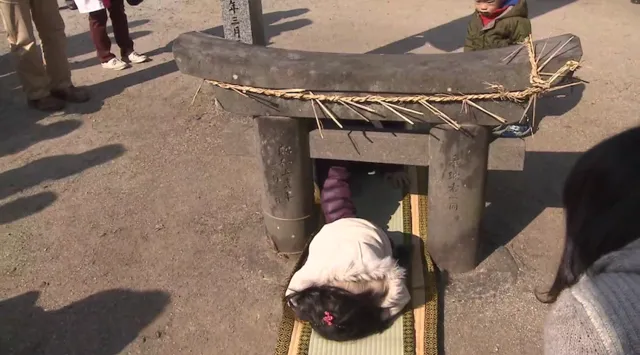 With their unique history and the spiritual blessings from Sukunahikonano-mikoto, you have to crawl through one of these Torii gates yourself! There are mats underneath them so you will not get your clothes dirty.
There is another unique Torii gate in the Shrine – a Torii with pencil-shaped pillars to pray for successful academic performance. This is especially popular among students studying for school entrance examinations.
You can encounter these unique Torii gates only here at the Awashima Shrine. Why not include this power spot in your visit to Kumamoto? You will definitely be able to bring a lot of luck home!
Interesting Spots Nearby
Beautiful Sand Flat Of Okoshiki Beach
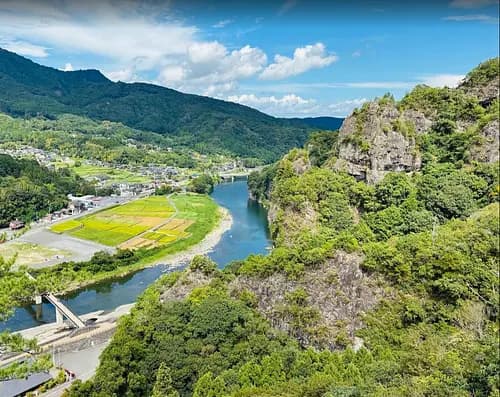
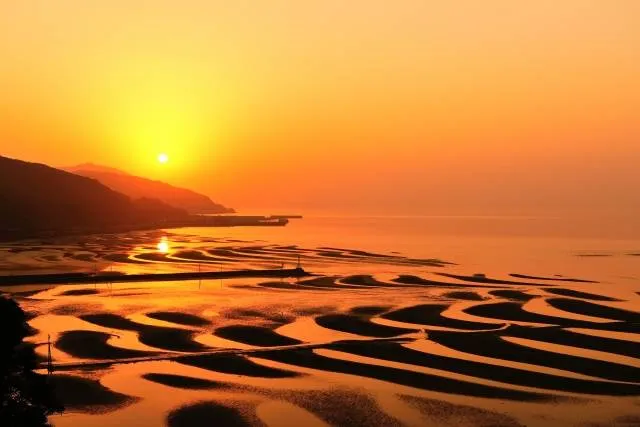 Okoshiki Beach is located in the northern coast of the Uto Peninsula and is known as a scenic spot to watch the sunset. On a sunny day, you can see Mt. Unzen in Nagasaki Prefecture in the opposite shore over the Ariake Sea. The Ariake Sea provides the largest difference of tides between high tide and low tide in Japan, creating a stunning sand flat with gentle curves generated by the winds and tide.
Address: Shimoodamachi, Uto, Kumamoto 869-3174
Access: 35 minutes by walking and train from the Awashima Shrine.
Tatsuoka Natural Park
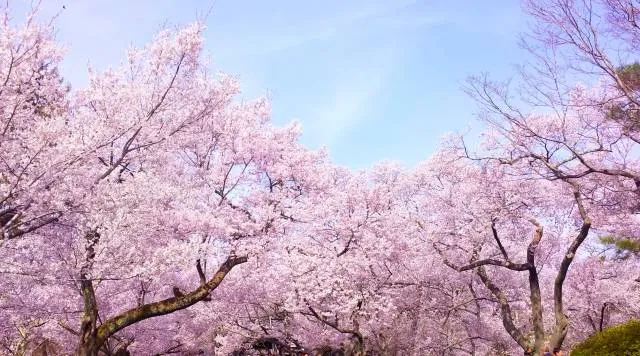 Tatsuoka Natural Park is a place of relaxation and refreshment for people in Uto City. There are around 2,000 cherry blossom trees around the Hanazono Pond and the Tatsuoka Pond, making it one of the best places to enjoy amazing views of the cherry blossoms. If you visit Uto City in spring, you will have to visit this park for an amazing Hanami (cherry blossom watching) experience!
Address: Hanazonomachi, Uto, Kumamoto 869-0413
Access: 13 minutes by car from the Awashima Shrine. As there are no convenient options for public transportation, it is recommended to take a taxi from Midorikawa Station.
Information
From Tokyo to Kumamoto You can take an airplane from either Narita or Haneda Airport in Tokyo to Kumamoto Airport. The journey takes around 90 minutes to 120 minutes.Access to Awashima Shrine
Take a Kumamoto Airport Limousine Bus bound for Seibu Shako. Get off at Kumamoto Eki Mae stop (9 stops, about 50 minutes) and walk to JR Kumamoto Station. Then take a JR Misumi Line train bound for Misumi. Get off at Midorikawa Station (5 stops, about 20 minutes). The Awashima Shrine is about a 9-minute walk from the station.
Awashima Shrine
Address: 557 Shingaimachi, Uto, Kumamoto 869-0403
Tel: +81 964-22-1197
Admission: Free
Reference List
https://www.awashima.or.jp/awashima/awashima.htm
https://www.city.uto.kumamoto.jp/utomonogatari/q/aview/5/535.html
https://www.city.uto.kumamoto.jp/q/aview/85/4715.html