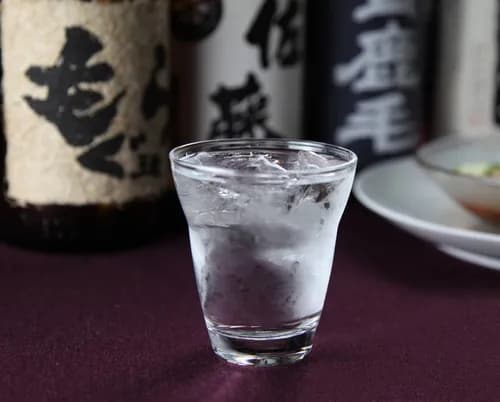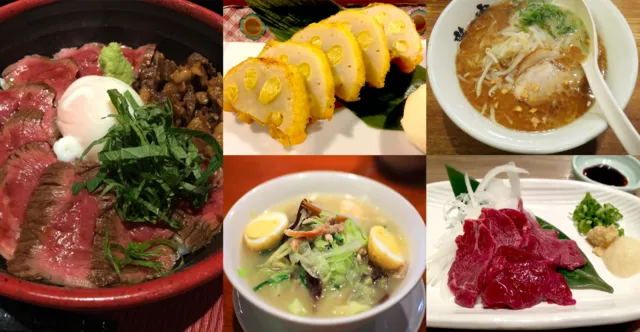
Kumamoto is a foodie’s paradise, with a variety of delicious food, ranging from fresh local produce to amazing ramen. Read this article to know exactly the best things to eat in Kumamoto!
Summary
Kumamoto is a foodie’s paradise, with a variety of delicious food, ranging from fresh local produce to amazing ramen. Read this article to know exactly the best things to eat in Kumamoto! Especially, hiougigai (the noble scallop) a rare delicacy you won’t want to miss out on while you are in Kumamoto.
Top 5 Meals To Try In Kumamoto
1. Red Wagyu (Aka Ushi)
via www.photo-ac.com
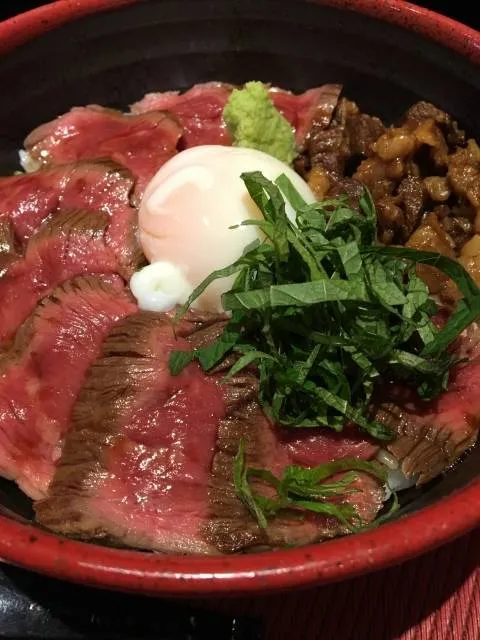
Aka Ushi is the premium quality wagyu beef brand from Kumamoto. Produced in the vast nature of the Aso District, the meat is leaner than normal wagyu beef while adequate fat provides powerful umami and tenderness. The Grasslands of Aso was certified as a World Agricultural Heritage site in 2013 due to the local farmers’ efforts to keep the farms sustainable despite of the challenging environment of the volcanic soil. The pastures are maintained by Aka Ushi cows’ grazing, which also prevents natural disasters such as landslides.
The best way to enjoy Aka Ushi is “Aka Ushi Don” (beef on top of rice) – is medium rare beef, which melts in your month and a poached egg, giving an extra richness to enhance the amazing flavor of Aka Ushi.
The best way to enjoy Aka Ushi is “Aka Ushi Don” (beef on top of rice) – is medium rare beef, which melts in your month and a poached egg, giving an extra richness to enhance the amazing flavor of Aka Ushi.
2. Kumamoto Ramen
via www.photo-ac.com
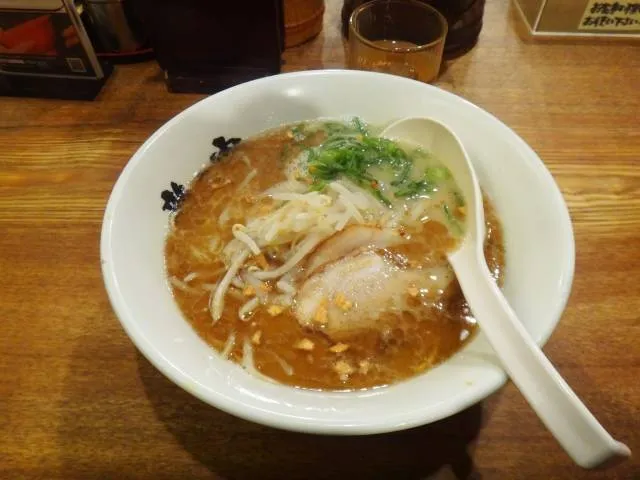
When you are in Japan, signs for ramen are literally everywhere. It is safe to say that ramen is soul food for the Japanese people and there is a wide variety in flavor and ingredients depending on the region.
Ramen in Kumamoto is no exception; its biggest characteristics are the, rich tonkotsu (pork bone) soup and fried garlic chips. The chewy noodles absorb the soup beautifully and the garlic chips boost your appetite until the very last bite. There are hundreds of ramen restaurants throughout Kumamoto offering this incredible bowl of happiness. Make sure to visit some of them and discover your favorite!
Ramen in Kumamoto is no exception; its biggest characteristics are the, rich tonkotsu (pork bone) soup and fried garlic chips. The chewy noodles absorb the soup beautifully and the garlic chips boost your appetite until the very last bite. There are hundreds of ramen restaurants throughout Kumamoto offering this incredible bowl of happiness. Make sure to visit some of them and discover your favorite!
3. Taipiien (Vermicelli Soup)
via www.yunphoto.net
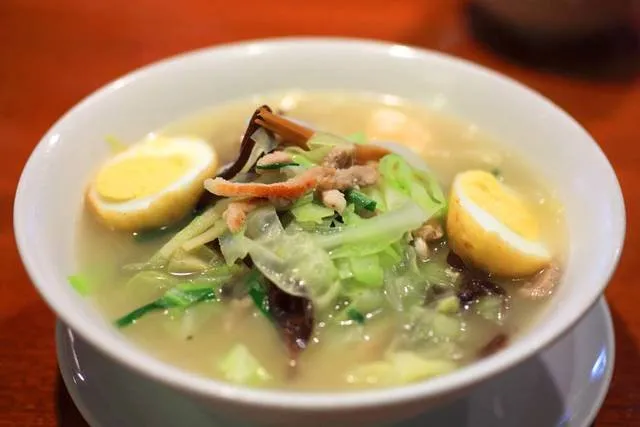
Ramen feels a bit too heavy for you today? Then here is a perfect solution. Taipiien is a bowl of vermicelli in chicken stock soup topped with various vegetables and a deep-fried boiled egg. It is a Chinese dish created in Kumamoto by Chinese who came to Japan in the 1930s.
Taipiien uses bean‐starch vermicelli which has lower calories than usual egg or wheat noodles. It is also served with a generous amount of stir-fried vegetables, meat and seafood, making it a healthier yet fulfilling substitute for ramen.
Taipiien uses bean‐starch vermicelli which has lower calories than usual egg or wheat noodles. It is also served with a generous amount of stir-fried vegetables, meat and seafood, making it a healthier yet fulfilling substitute for ramen.
4. Karashi Renkon
via www.photo-ac.com
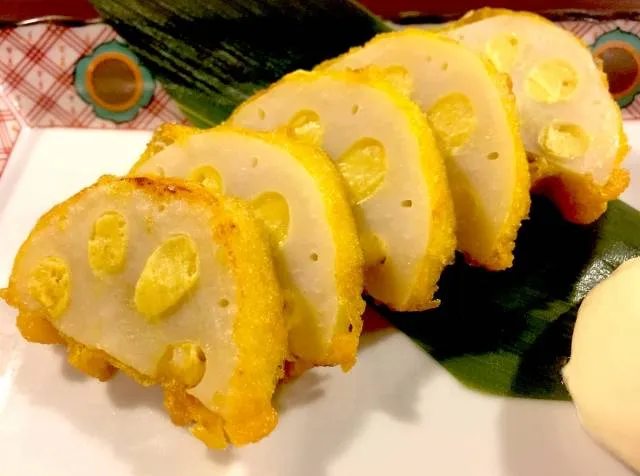
Karashi Renkon is a local delicacy in Kumamoto. The name is literally Karashi (Japanese mustard) Renkon (lotus root). Miso paste containing karashi is stuffed into the hollows of lotus root, then battered and deep fried, creating the beautiful mustard color inside and crispy golden color outside. The crunchy texture of the lotus root is pleasant and the zing of the mustard can be addictive, especially when paired with a nice cold beer or Japanese sake! It is believed that Karashi Renkon was first invented to enhance the nutritional intake of the first feudal Lord of Kumamoto who had poor health. Today, Karashi Renkon is loved by the locals and visitors as a unique local dish.
5. Horse Meat (Basashi)
via www.photo-ac.com
In Japan, horse meat is not something you have on your dining table every day. It is not common to see horse meat sold in supermarkets in most areas in Japan. Yet, it is often consumed in specialized restaurants and izakaya pubs. Kumamoto has the highest consumption of horse meat, almost taking up half of the total production in Japan.
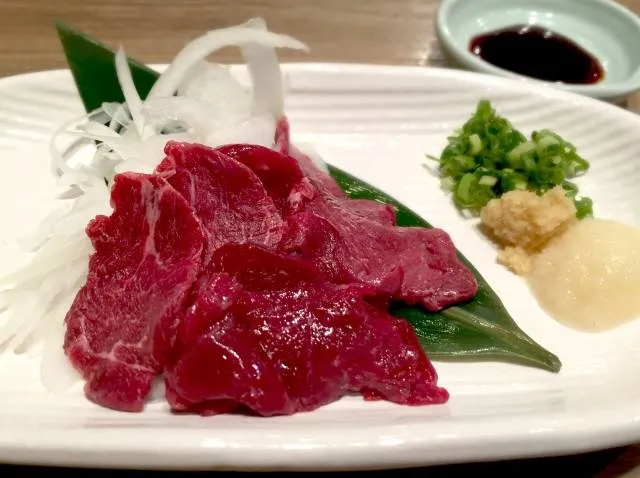
Horse meat in Japan is very fresh and has strict safety regulations, so it is usually enjoyed raw (basashi).
You can try various cuts, to enjoy the different flavors and texture; for example, “akami” (red meat) is the most commonly eaten cut and provides horse meat’s distinctive umami and sweetness. It is a lean meat and good for those who are not a big fan of fatty meats. The meat shown in the picture is the liver. Consumption of raw horse liver is prohibited in other areas in Japan such as Kansai and Kanto Regions, however not in Kumamoto. It is carefully inspected by the nationally certified test bodies, so why not try the delicate flavor only available in Kumamoto?
Hiougigai, Rainbow Scallops
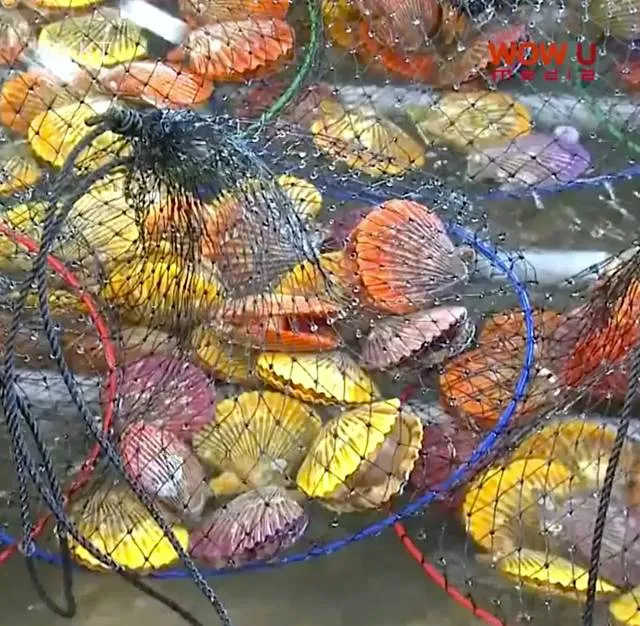
Hiougigai (the noble scallop) is another local delicacy of Amakusa in Kumamoto. They look exactly like scallops except for the colorful shells in red, orange, yellow, purple and brown. Read on and find out more about these mysterious scallops.
Taste
Hiougigai has a richer and sweeter flavor compared to normal scallops. They come into season from late autumn to spring when the temperature of sea water drops. They are very popular for gifts due to the shell’s beautiful colors and the perfect display to decorate a table at a special occasion or celebration.
How They Are Grown
Hiougigai were first discovered growing naturally on cultivation equipment used for pearl oysters Most of Hiougigai are now cultivated for consumption, thus wild Hiougigai are no longer consumed in Japan. Their cultivation started in 2002, however they are rarely distributed to other parts of Japan outside of the production areas due to its stress-sensitive nature. Hiougigai are first grown in the ocean, then they are soaked in sterile water and sold alive to maintain their freshness.
Why Rainbow-Colored?
The reason why Hiougigai’s shells have such bright colors, is not yet fully understood. They almost look as if they were artificially colored, however the shells are naturally occurring pigments. The color of each shell is believed to be determined by its DNA and naturally grown ones tend to have more brown-ish colors. Therefore, at the cultivation sites, they intentionally pick shells with various colors to offer a steady production of hiougigai with colorful shells. Interestingly, mixed coloured shells are rare!
Best Way To Enjoy Hiougigai
Sashimi
Hiougigai’s whole flavor can be enjoyed when eaten raw as sashimi. Best to pair with cold Japanese sake.
Grilled With Butter And Soy Sauce
The golden combination can never go wrong. The soy sauce gets slightly burnt and gives the scallop an enhanced flavor!
Steamed With Japanese Sake
A simple yet authentic way to appreciate this rare delicacy is steamed with Japanese sake. The sake beautifully wraps around Hiougigai’s rich taste to give a moment of pure bliss!
Information
From Tokyo To Kumamoto
You can take an airplane from either Narita or Haneda Airport in Tokyo to Kumamoto Airport. The journey takes around 90 minutes to 120 minutes.
Restaurant To Taste Hiougigai
Amakusa Kaisen-Kura
Address: 4733-1 Itsuwamachi Oniike, Amakusa, Kumamoto 863-2331
Tel: +81 969-52-7707
Website: http://kaisenkura.com/category
*The availability of Hiougigai is subject to season. Please check the availability with the restaurant.
Address: 4733-1 Itsuwamachi Oniike, Amakusa, Kumamoto 863-2331
Tel: +81 969-52-7707
Website: http://kaisenkura.com/category
*The availability of Hiougigai is subject to season. Please check the availability with the restaurant.
Access To The Restaurant From Kumamoto Airport
It takes about 2 hours and 15 minutes by car. It is recommended to rent a car at Kumamoto Airport, and make your way south to Amakusa City after visiting attractions in Kumamoto City and along the way.
Allergy Information
Crustaceans can often be the cause of food allergies including food-dependent exercise-induced anaphylaxis: FDEIA. The intake limit can vary between individuals, so please check your allergy history and avoid food including potential allergens if you feel your physical condition is not good.
Please note that the descriptions regarding allergies are based on information obtained from medical institutions, but we recommend you to consult with a health care professional if you have any problems or concerns.
Please note that the descriptions regarding allergies are based on information obtained from medical institutions, but we recommend you to consult with a health care professional if you have any problems or concerns.