Walk and crawl through a large lava cave in Yamanashi prefecture. Known to be a warm habitat for bats, this cave is located inside Aokigahara forest near Mt. Fuji.
Summary
Walk and crawl through a large lava cave in Yamanashi prefecture. Known to be a warm habitat for bats, this cave is located inside Aokigahara forest near Mt. Fuji. Check out the cave, the forest, and some other nearby places to visit.
Bat Caves in Japan "Ryusendo"
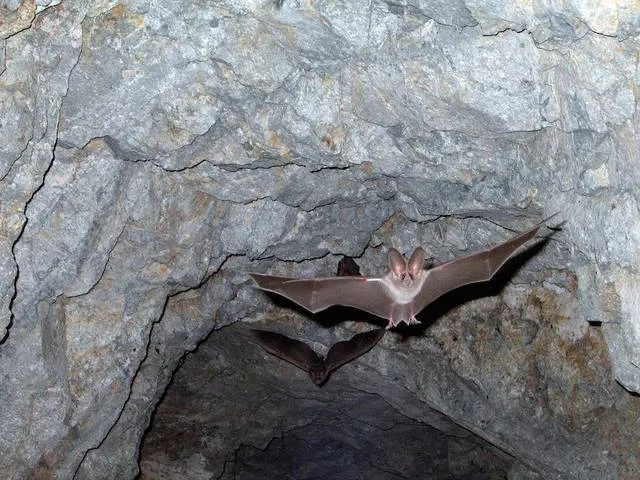
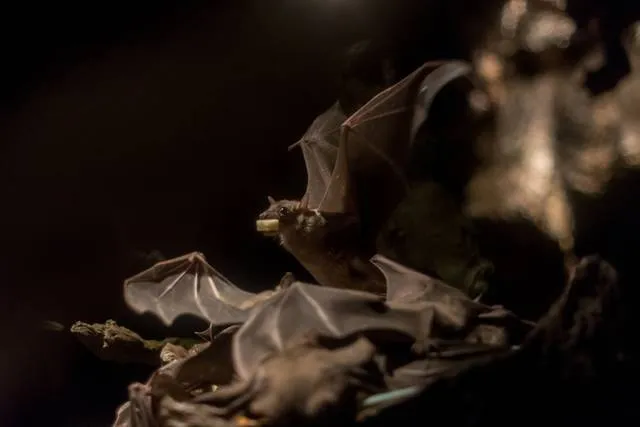
Most bats are nocturnal and they need a safe place to sleep during the day. Caves are therefore one of the best habitats for bats. Most enemies can’t reach them as long as they’re hanging from the ceiling.
Over 37 species of bats exist in Japan, and popular spots to see them are, of course, inside caves. Take for example, Ryusendo cave of Iwate Prefecture in Northern Japan. It’s one of Japan’s three largest limestone caves with beautiful underground lakes. This cave is inhabited by 5 species of bats, all living in the very back of the cave. Down south in Kochi Prefecture, bats fly right above your head in Ryugado cave, one of Japan’s three largest stalactite caves. Bats dwell in this cave with other 100 or so animal species such as shrimps and crabs.
Of all the caves nationwide however, the most famous cave for bats is the Saiko Bat Cave, one of Japan’s largest lava caves in Yamanashi prefecture at the foot of Mount Fuji. Due to land developments, there was a time that bats in this cave were nearly extinct, but now the cave is well-managed, with a preservation area for bats created in the back so the number of bats is increasing again year by year. Known to be a warm cave even in winter, it’s a great spot for bats to hibernate. During this time, the cave is closed so that the bats can hibernate in peace.
At the entrance of Saiko Bat Cave, you can borrow a helmet to wear. It gets slippery inside, and in some areas the space is so tight that you need to crawl. A helmet will protect you from banging your head on the low ceiling and from an accidental kick from the person crawling in front of you! The cave is also cold so wear gloves if you can and dress warmly.
The total length of the cave is 1148 ft (350 m) and there are three routes inside, including one shortcut route. Because one can walk and crawl in dark, tight spaces, it’s an exciting place for children and adults. In fact, some like it so much that they enter the cave more than once to find out what the other routes are like. It’s best to visit to explore, not just for the bats. The lava cave consists of various formations of lava that you would be able to see up close. It’s safe not to have high hopes of actually bumping into bats along the way. Bats are not active during the day, plus they only huddle up during hibernation.
The total length of the cave is 1148 ft (350 m) and there are three routes inside, including one shortcut route. Because one can walk and crawl in dark, tight spaces, it’s an exciting place for children and adults. In fact, some like it so much that they enter the cave more than once to find out what the other routes are like. It’s best to visit to explore, not just for the bats. The lava cave consists of various formations of lava that you would be able to see up close. It’s safe not to have high hopes of actually bumping into bats along the way. Bats are not active during the day, plus they only huddle up during hibernation.
Three Best Places to Visit in the Saiko Bat Cave area in Japan
via Picture provided by: Yamanashi Tourism Organization
1. Lake Saiko
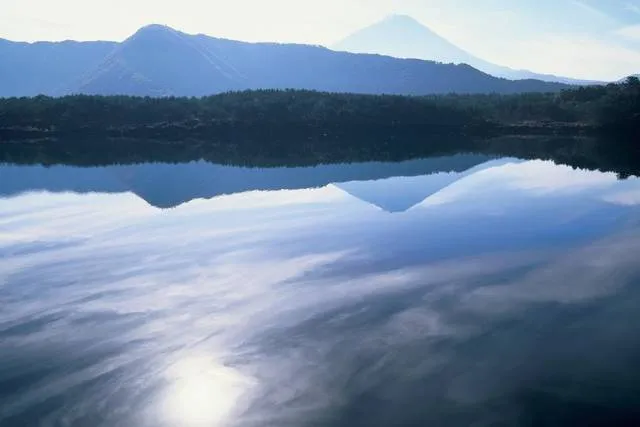
It’s the smallest of the Fuji Five Lakes. Compared to Lake Kawaguchiko, a famous tourist spot, the view of Mount Fuji is further away and a small mountain blocks part of the view. The lake has little tourists compared to the others, making it a perfect spot for those who want to look at Mount Fuji quietly and in peace.
2. Saiko Iyashi no Sato NENBA
Walk in and it feels like you’re inside a Japanese folk tale. Formerly a farming village located on the west side of Lake Saiko, the area was once destroyed due to a landslide. More than twenty traditional thatched-roofed houses were reconstructed in image of traditional Japan and then opened to the public as a traditional craft village. The houses are restaurants, galleries, and shops that sell local goods. It is yet another great spot to view Mount Fuji (if it’s sunny).
Opening Hours:
9 AM to 5 PM (from March to November)
9:30 AM to 4:30 PM (from December to February)
Entrance Fee: 350 yen for adults, 150 yen for children
3. Itchiku Kubota Art Museum
This museum is devoted to artist Kubota Itchiku, who revived the Tsujigahana silk dyeing process that was used to create elaborate kimono back in the late 1300’s to 1500’s. Kimono works of this artist including his masterpiece, “Symphony of Light” which is 80 pieces of kimono that form a picture of Mount Fuji. Their garden is also beautiful, especially during the foliage season.
Opening Hours:
9:30 AM to 5:30 PM (from April to November)
10 AM to 4:30 PM (from December to March)
Entrance Fee: 1,300 yen for adults, 1,000 yen for high school and college students, 400 yen for elementary and middle school students.
The above places are just a few miles away from Saiko Bat Cave so chances of being bored after exploring the cave are slim. Step outside Saiko Bat Cave and you’ll also see that there’s a lot to see in the nature surrounding the cave.
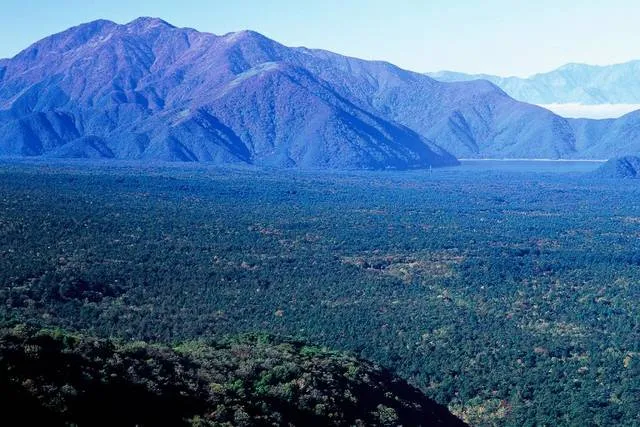
Saiko bat cave is located inside Aokigahara forest, also known as the Sea of Trees, a dense forest thriving on 12 sq mi (300 square kilometers) of volcanic rock.
Hiking in the Aokigahara Forest or the Sea of Trees
via Picture provided by: Yamanashi Tourism Organization
Once you step inside the forest, Mount Fuji is nowhere to be seen. All trees are growing from the lava ground and unique lava formations are scattered about with twisted roots appearing from the ground. Inside there are signs that guide you to paths where you can see wild birds and unique vegetation.
Aokigarahara forest, also known as the Sea of Trees, does give off a creepy mood. It’s internationally renowned as a suicide forest or ghost mountain. It is no doubt an easy place to get lost, and an easy place to feel alone.
To avoid all risks of getting lost, walking into rough areas and getting hurt (by not knowing which way to go), we recommend exploring the forest with a tour guide. That way, you’ll get to see all the amazing spots inside Aokigahara forest, and avoid dangerous zones and areas that are too spooky. Any questions you may have regarding the forest’s nature or even about the suicides, you can ask your guide and he or she will give you all the answers.
Our recommended tour is the Aokigahara forest hike tour planned by Wow-U Tour Guide Tomomi Yuyama, a certified nature guide. This three-hour tour includes the Saiko Bat Cave, Lake Saiko and Aokigahara forest. Walk through the mysterious Aokigahara forest, crawl through Saiko Bat Cave and gaze at Mount Fuji from Lake Saiko; all the while clearing up every question that comes to mind. Our guide will give you instructive information about everything you see.
Related Tour
Mt. Fuji on Foot - Aokigahara Forest and Japanese Traditional Craft Village Tour | WOW U
Get on your feet and take a walk around the natural wonders near Mt. Fuji with a friendly native Japanese guide. The fun one day trip includes the best spots around : Saiko Bat Cave, Ryugu Cave, Lake Saiko and traditional village.
Aokigahara Forest Hike and Mt. Fuji Nature Blessing Tour | WOW U
A memorable tour by a professional Japanese guide will take you deep into the amazing scenery near Mt. Fuji and show you the must-see spots : Saiko Bat Cave, Ryugu Cave, Lake Saiko and traditional village.
Information
Ride the Fuji Kyuko Line bus from Kawaguchiko station to Komori ana stop (30 minutes).
Entrance fee:
300 yen for high school students and adults, 150 yen for elementary and middle school children.
Opening Hours:
9 AM to 5 PM (last admission is at 4:30 PM)
Closing Days:
In order to preserve bats, it is closed in the winter (usually from December 1 to March 19. If necessary, check with the Fujikawaguchiko Town Tourism Division beforehand for details).
Address:
2068 Saiko, Fujikawaguchiko-machi, Minami-tsuru-gun, 401-0332
Tel:
+81-555-72-3168 (Fujikawaguchiko Town Tourism Division)