At some restaurants in Japan, you might have seen“Jidori Chicken” on the menu. “Jidori”, translating to “locally produced chicken”, means the best quality chicken. Although there are some great Jidori brands throughout Japan, “Satsuma Jidori” is one of the top Jidori brands from Kagoshima Prefecture in Kyusyu. Known for its sweet and rich flavour, the award winning Jidori can be enjoyed raw “sashimi” style!
What is “Jidori”?
At some restaurants in Japan, you might have seen“Jidori Chicken” on the menu and wondered what it means. Jidori, translating to “locally produced chicken”, means the best quality chicken; you can think of it like the Kobe beef of chicken. However, unlike Kobe beef (beef from a city, Kobe), the word of Jidori itself doesn’t correspond with a particular area. Instead, we refer to specific Jidori brands with a regional name like “Satsuma Jidori”.
Jidori is a type of mixed-breed domestic free-range chicken, but to be acknowledged as Jidori chicken, the chicken has to be decedent form the native species, have at least 50% of the native bloodline. This is one of the conditions that the Japanese Agricultural Standard (JAS) a system established by the Ministry of Agriculture, Forestry and Fisheries requires. Farmers must meet the conditions set by JAS in order to call their chicken Jidori. Satsuma Jidori chickens are 100% pedigree Japanese native chicken, which is clearly meets JAS’s requirements. Satsuma Jidori is one of the top Jidori brands along with the Nagoya Cochin from Aichi Prefecture, and the Hinai Jidori from Akita Prefecture. You may already be excited to try Satsuma Jidori, but there is much more that makes this brand so special.
Jidori is a type of mixed-breed domestic free-range chicken, but to be acknowledged as Jidori chicken, the chicken has to be decedent form the native species, have at least 50% of the native bloodline. This is one of the conditions that the Japanese Agricultural Standard (JAS) a system established by the Ministry of Agriculture, Forestry and Fisheries requires. Farmers must meet the conditions set by JAS in order to call their chicken Jidori. Satsuma Jidori chickens are 100% pedigree Japanese native chicken, which is clearly meets JAS’s requirements. Satsuma Jidori is one of the top Jidori brands along with the Nagoya Cochin from Aichi Prefecture, and the Hinai Jidori from Akita Prefecture. You may already be excited to try Satsuma Jidori, but there is much more that makes this brand so special.
This is why Satsuma Jidori is special
Satsuma Jidori is known to have an amazing robust flavor, enough to have won the Japanese Jidori Chicken Award in 2005. It’s famous for having a moderate chewy texture as well as a unique and rich taste. The secret behind the splendid taste of this locally raised chicken is its great amount of amino acid; it contains significantly more amino acid than commercially-raised chickens, and this gives Satsuma Jidori a sweet flavor. It also retains less fat and water than most chickens, resulting in redder meat and a firmer texture.
How do breeders produce top chickens? One of the key components is rearing period; regardless of the JAS minimum requirement of 80 day rearing period for Jidori chicken, Satsuma Jidori chickens usually take around 120 days to 150 days to reach maturity, which is said to be 2 to 3 times more than ordinary broiler chickens. This long rearing period firms up the chicken flesh to create the amazing htaste, flavor and texture.
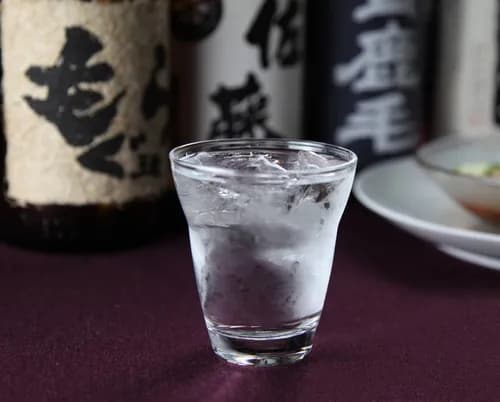
The most “popular” way to enjoy Satsuma Jidori’s deep flavor is probably Yakitori style (skewered chicken). However, the most “recommended” by locals in Kagoshima Prefecture is Sashimi style (raw) or “Yogan-yaki” (the dish of meat and vegetables grilled on a lava plate). The lava plate emits far-infrared rays, which can cook the chicken surface to be crispy and the inside tender and juicy. Since Satsuma Jidori itself is very flavorful, a little salt can be enough seasoning. To use lava plates is symbolic to Kagoshima – Kagoshima Prefecture has one of Japan’s most active volcanoes, Sakurajima. Kagoshima Prefecture is also known to have one of the best types of Shochu, a traditional Japanese distilled spirit, which goes well with those Satsuma Jidori dishes. You should experience the wonderful Kagoshima taste combinations!
Satsuma Jidori chickens are descendants of a Samurai loved breed
To reach best quality, Satsuma Jidori has had many challenges and innovations. Satsuma Jidori is a cross between the Satsuma-dori (Satsuma Chicken) on the male side, which is a natural treasure in Japan, and a female Rhode Island Red. The invention of Satsuma Jidori first started in 1992, and it took 10 years to achieve today’s Satsuma Jidori breed; selecting the best chickens and repeating the cross-breeding tests again and again. Satsuma Jidori is a compilation of Kagoshima’s knowledge, great techniques and people’s passion for producing good quality food.
The original breed “Satsuma-dori” (Satsuma Chicken) was date back to the Edo period, when Kagoshima Prefecture was called its former name “Satsuma Han” (Satsuma Domain), and was one of the most powerful domains in Japan. Since Satsuma-dori had such beautiful feathers, it was popular among locals and was kept in their yards freely. The appeal of Satsuma-dori as a breed was not only its beauty, but also its strength and combativeness, Samurais would keep this breed to raise their morale. It is said that Samurai used to enjoy the Satuma-dori’s cockfights, which would prepare them for fights. Also, Satsuma-dori’s feathers were used to decorate the flags for dances and fishing lures.
The original breed “Satsuma-dori” (Satsuma Chicken) was date back to the Edo period, when Kagoshima Prefecture was called its former name “Satsuma Han” (Satsuma Domain), and was one of the most powerful domains in Japan. Since Satsuma-dori had such beautiful feathers, it was popular among locals and was kept in their yards freely. The appeal of Satsuma-dori as a breed was not only its beauty, but also its strength and combativeness, Samurais would keep this breed to raise their morale. It is said that Samurai used to enjoy the Satuma-dori’s cockfights, which would prepare them for fights. Also, Satsuma-dori’s feathers were used to decorate the flags for dances and fishing lures.
How to visit?
From Tokyo to Kagoshima aiport, it’s approximately 2 hours by airplane.