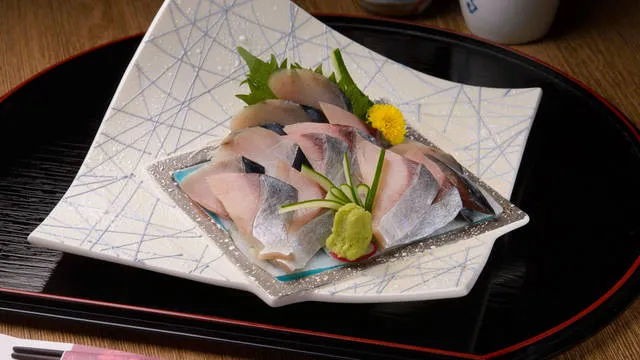
Visit Japan’s port of Hachinohe, to taste delicious, ocean-fresh raw mackerel. This mackerel will sure be a meal to remember as this amazing, appetising meal is straight out of the sea!
Mackerels in Hachinohe, Aomori prefecture
Have you ever had raw mackerel? Fresh ones are as good as otoro-- if you eat it straight out of the water. If you want to try delicious raw mackerel, you have to pay a visit to a port with mackerel fish landings because they don’t stay fresh for long. One of the ports with top quality mackerel landings is Hachinohe, in Aomori, the northernmost prefecture of Japan’s largest island, Honshu.
Hachinohe is the second biggest city in Aomori prefecture (by population) and the ninth largest fish port in Japan (by value of landings in 2017). Located east of Aomori and situated along the Pacific Ocean, the city’s economy has always been primarily based on fishing, from when Sameura (now Hachinohe port) opened in 1664.
Today various kinds of seafood, such as tuna, octopus, scallops and snow crabs, are caught at Hachinohe port. However, as Japan’s top squid port, about 80% of the total catch is squid and mackerel. Out of all the fish caught here, mackerel is considered a special catch!
Mackerels have not always been considered special. In the 1980’s, Hachinohe locals had never really considered mackerel as anything major, and it was common to see overloaded trucks dropping them on the streets. Up until the 1980’s, mackerels were cheap, and frequently consumed at many homes. Although it remained a familiar and popular fish, after a sharp decline in supply and the price per fish increased.
From this background, in 2008, Hachinohe city along with other committees started the Hachinohe Maeoki Mackerel Brand Promotion Council. Seeing that their mackerel was of higher quality compared to mackerels caught in some of the other ports in the country, they began to put strength in raising awareness of their mackerel. Hachinohe Maeoki mackerels, is the brand name that they use.
What makes Hachinohe Maeoki Mackerels special?
They are extremely fresh. Mackerels are known to fade easily, but the Hachinohe Maeoki mackerels are caught just 50 km (31 miles) from the port, so are delivered while still extremely ocean-fresh.
They are rich in fat, which makes them tasty and delicious. Hachinohe’s mackerels come in different sizes and those that are over 550 grams (1.2 pounds) and can have up to 30% of fat content. Even small mackerels of below 400 grams (0.88 pounds) usually have more than 15% fat content. The two main reasons for this are: fat reserves for the cold ocean water and the abundance of plankton in the water. Hachinohe is Japan’s northernmost mackerel fishing ground, and the ocean water temperature drastically decreases in September (to 16-18℃ or 60-64°F). With the effect of Aomori’s forest, the ocean water is rich in plankton. Due to these reasons, the mackerels caught in fall-winter (specific dates are announced every year) are considered plump and juicy, and are marketed as Hachinohe Maeoki mackerels. Many in the Japanese food industry recognize the Hachinohe Maeoki mackerels as “Japan’s plumpest mackerels.”
Last but not least, there is strong evidence that shows high fat content inside the mackerel. This means they contain high amounts of omega-3 fatty acids such as EPA and DHA. Consumption of fish with large amounts of these fatty acids has been known to be favorable for human health.
Hachinohe Maeoki mackerels are therefore not only fresh and delicious, but healthy too- making them one of the top quality mackerels in the country.
The Best Way to Cook Them is To Not
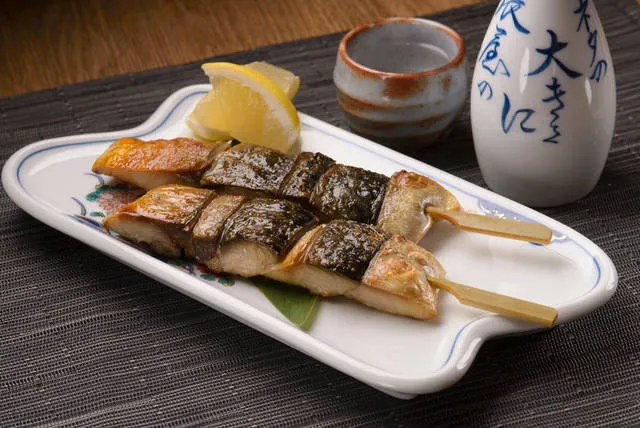
Having ocean-fresh mackerels is a rare opportunity and the most recommended way to eat them is raw. You’ll feel the juicy fish melting in your mouth.
If you want the very best, you should order the “silver mackerels.” They are large Hachinohe Maeoki mackerels that weigh more than 550 grams (1.2 pounds), which means they have a fat content of up to 30%. Having raw silver mackerel on a bowl of rice is called, “Hachinohe Gin Saba Toroduke don (Hachinohe silver mackerel on rice)”. Try this dish or try it as sashimi. It'll surely knock your socks off!
Not to worry though. If you aren’t sure about having raw fish, then try cooked mackerels. They are also delicious, and many restaurants have different arranged versions of mackerel in their menus. Some examples are mackerels in miso soup, skewers, tsukune balls, and tempura. Some even offer mackerel burgers!
How to Visit?
Fly from Tokyo (Haneda airport) to Misawa airport in Aomori prefecture(about 75 minutes). From there it is a 40-50 minute car ride to Hachinohe city.If you prefer to use the train, go on the Hayabusa shinkansen (bullet train) from Tokyo station. The train will take you directly to Hachinohe station (3 hours).
Hachinohe Port Ferry Terminal
Address:25 Kaigan, Kawaragi, Hachinohe, Aomori 039-1161
Tel:+81-(0)50-3821-1478
Reference List
http://www.8saba.com
http://www.umai-aomori.jp/season-report/seasonal/hachinohemeokisaba_201409.html
http://www.city.hachinohe.aomori.jp/index.cfm/14,185,113,html