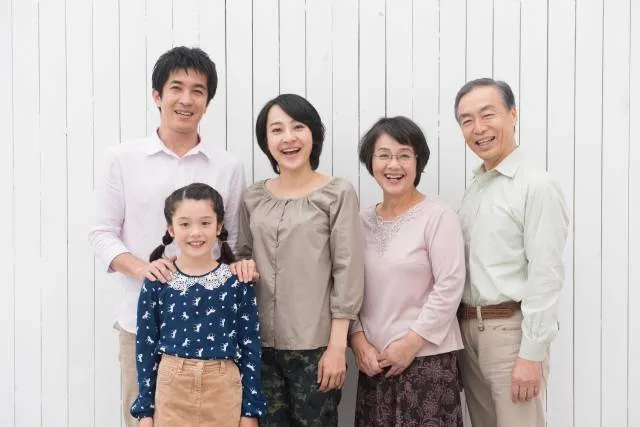
Get to know locals. Visit a Japanese home and take a glimpse into Japanese every day life. Learn to cook a Japanese dish or two, and have dinner with them.
Summary
Get to know locals. Visit a Japanese home and take a glimpse into Japanese every day life. Learn to cook a Japanese dish or two, and have dinner with them. Learn more about Home Visits in Japan, why we recommend it, and the types of programs available.
What is Home Visit in Japan?
 Basting the turkey, roasting the carrots, and baking the pie. Keeping the kids entertained, making space for out-of-towners to spend the night, and playing games with friends and family. Thanksgiving is an American holiday that is not only about the big turkey dinner, but also about spending quality time with families and friends. For many, it’s a warm celebration of talking, laughing, mingling, snuggling, and getting to know the relatives you rarely meet.
So what are family gatherings in a different country like, especially in an exotic country like Japan? A “Home Visit” program is your perfect opportunity to find out and take a peak into every day Japanese life in Japan.
A “Home Visit” program is basically a chance to visit a Japanese home. What you do there depends on what you want to do. There are many different programs you can choose from, such as, “cooking and eating dinner” “playing video games” or “playing a Japanese instrument.” The key concept is that all of it is done at someone’s home, not in a classroom or a restaurant.
Factors such as location (city or countryside) and family size (couple or family of four) may make a great difference on what you experience, and what you will experience is most likely to be unique. You may learn how to cook Nikujaga, a Japanese dish of stewed meat, potato and onions, from a family, but some families may like to add peas. Just like Thanksgiving, a holiday that the whole country celebrates together but is celebrated differently per family.
The 2 Greatest Factors about Home Visits in Japan
 Here are the two strong reasons for including a “Home Visit” in your travel schedule.
- An Opportunity to Talk with Locals
Traveling usually involves lots of sightseeing. Exploring a country we don’t yet know is so exciting, and there is usually so much we want to see, do and visit. Most of us also want to try getting to know some locals.
Unfortunately in Japan, language is a huge barrier. You ask for directions in English and it will most likely not turn into a conversation of more than just a quick reply. As a tourist, having a conversation with locals is tricky anywhere in the world, but it’s especially tricky in Japan. While most Japanese would most likely try to give you directions politely, that is the most you can expect from them. So if you are interested in having proper conversations with locals, and getting to know Japan through their eyes, a “Home Visit” is your best solution.
With “Home Visit” programs, your conversation doesn’t end in a couple of minutes. You take your shoes off, enter their home and have sit-down conversations with them, which may then develop into a friendship. It is more than likely that “Home Visit” hosts would be interested in getting to know you and your country’s culture, and at the same time, willing to explain to you about Japanese culture and answer any questions you might have while traveling in Japan. 2. Take a Glimpse of Life in Japan
It goes without saying that every family is different. But by going into a Japanese home, you have the opportunity of catching a glimpse of Japanese every day life. It's a great opportunity to learn about Japanese manners and etiquette: when paying a visit to someone’s house, there are certain rules that everyone follows, which you will have the opportunity to experience.
Taking your shoes off right after you enter a Japanese home is one example. There is usually a lowered area by the front entrance where everyone leaves their shoes, so don’t go walking into someone’s home with your shoes on. There also may be slippers inside a bathroom. If there are, take your slippers outside of the bathroom and wear your toilet slippers when inside the bathroom- and don't forget to take them off again when you leave the bathroom.
You can also see the interior of a Japanese home, which is definitely going to be different from yours. Some homes in the countryside have small shrines close to the ceiling. Traditional families almost always have a family Buddhist altar. In the winter, you may find a kotatsu (a small table with an electric heater underneath, covered by a quilt). Eating satsumas (oranges) at a kotatsu is your typical Japanese winter family scene- with all family members snuggled up beside each other with their legs under the table. You would have no chance to see any of these things unless you actually step inside someone’s home. You can try cooking a Japanese home-cooked meal. Home cooking is always different from food you eat at restaurants. If you are also interested in learning how to cook a Japanese dish or two, it’s a great opportunity to do so.
In addition, you can see how Japanese families interact with each other. You may notice that how Japanese families tend not to express their love for one through physical contact such as hugging and kissing but more subtly.
In these ways, through “Home Visits” you will learn aspects of Japanese life you otherwise would not have the opportunity to know.
Types of Home Visit Programs
 “Home Visit” programs all have a set time frame and a specific theme. Pick one that best suits your travel schedule and your interest. Here are some examples.
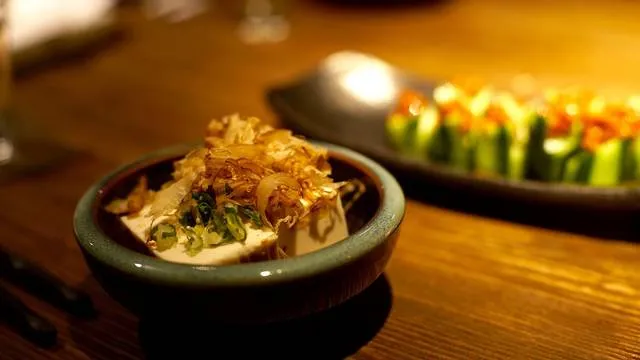
The most common type of program is visiting a Japanese home to cook and eat it with a Japanese family. Food they offer usually includes miso soup, sushi rolls, hot pot, Tempura or deep-fried seafood and vegetables, and Okonomiyaki or Japanese pizza. There are programs available in the city and in the countryside. So pick a home that offers to teach you how to cook Japanese food that interests you most at the most convenient location. Most reviewers say that “Home Visit” experiences have been a great opportunity to meet locals and make new friends. Include “Home Visits” in your travel plan as a way of getting to know Japan a little bit better. You will have many questions about the country while you are traveling, so make a “Home Visit” for answers. Japanese people are generally shy and strangers would almost never be invited into their home. If you would like to take a bigger step into Japanese culture, the easiest way is to take a step into a Japanese home with a “Home Visit” program of your choice.
Reference List
https://www.homestay-in-japan.com/eng/program/homevisit.html