Miso, Japan’s classic seasoning paste is gaining global popularity.Take a look into its history, health benefits, variety, learn about Sendai’s miso, and on how to make soup.
Summary
Miso, Japan’s classic seasoning paste is gaining global popularity. Take a look into its history, health benefits, variety, learn about Sendai’s miso, and on how to make soup. Flavor, aroma, color and appearance of miso varies per region. The Umami or fifth flavor, of Sendai Miso is especially unique and worth trying.
Japan Miso’s History and Health Benefits
Sipping a hot bowl of miso soup on a cold winter morning—I think a lot of Japanese will agree with me when I say that imagining this scene reminds us of home and makes us feel warm and fuzzy inside.
Miso soup is made out of Miso, a classic seasoning paste used for various different Japanese cooking. Japanese have been drinking miso soup for a very long time. Even when there was barely much to eat, it is said that Japanese were able to stay healthy because they had a simple bowl of miso soup and rice. Both the miso and the soup's ingredients make miso soup a highly nutritious meal.
Miso soup is made out of Miso, a classic seasoning paste used for various different Japanese cooking. Japanese have been drinking miso soup for a very long time. Even when there was barely much to eat, it is said that Japanese were able to stay healthy because they had a simple bowl of miso soup and rice. Both the miso and the soup's ingredients make miso soup a highly nutritious meal.
Introduced initially from ancient China, the Japanese started to drink miso soup roughly 800 years ago. Some sources say miso was introduced to Japan more than 1,300 years ago, but for several hundred years, miso was so thick and rare that people would consume it by licking it or using it in tiny portions with their food. It was a luxurious ingredient that only the upper class could eat.
Samurais were the ones who started to use it in soup form. They started a daily eating routine called Ichijiu Issai or having a simple, one-soup and one-dish meal. Samurais would have miso soup as part of their everyday meal, even during wartime. Eventually, the dish spread to the general public and became a popular every-day food item consumed in almost every Japanese household.
Miso has been gaining worldwide popularity in recent years partly due to its health benefits. Studies have shown that frequent consumption of miso soup can have positive effects on health. Some examples are, its high level of digestive enzymes helps to reduce risks of stomach cancer; it’s rich in antioxidants so helps slow the aging process; its levels of magnesium and potassium are high so helps prevent high blood pressure and strokes.
Miso has been gaining worldwide popularity in recent years partly due to its health benefits. Studies have shown that frequent consumption of miso soup can have positive effects on health. Some examples are, its high level of digestive enzymes helps to reduce risks of stomach cancer; it’s rich in antioxidants so helps slow the aging process; its levels of magnesium and potassium are high so helps prevent high blood pressure and strokes.
Types of Miso including Sendai Miso
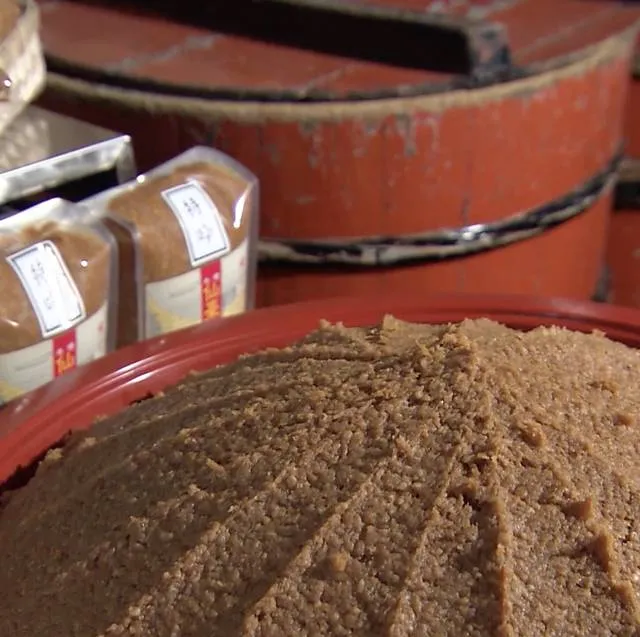
A wide variety of miso exists and is difficult to classify. Ingredients used to make miso can be largely divided into four: Rice, barley, soybeans and a mix of two or more of the three.
Rice miso’s ingredients include malted rice, soybeans, and salt. It’s mainly made in the Tohoku region of northern Japan. According to the Japan Federation of Miso Manufacturers Cooperatives, for more than 20 years, rice miso has made up 80% of all miso shipped, making it the most commonly consumed type of miso.
Barley miso’s ingredients include malted barley, soybeans, and salt. It’s mostly produced in Chugoku region or west of Japan’s main island, Shikoku island, and Kyushu island. Soybean miso is made with soybeans, malted soybeans, and salt. It’s mostly produced in the Chukyo region or areas surrounding Nagoya city. Mixed miso mixes two or more of the above miso.
It can also be divided by taste and color. Taste can be roughly divided into sweet, semi-sweet, salty, and the color can be mainly separated into red, white, or light yellow. With different fermentation processes, and the amount of salt and malted soybeans or grain used, and the aging process (which varies between five days to several years), a flavor (aroma) and color unique to that region is developed.
For this reason, many regions have their miso standard. Generally speaking, many prefectures in western Japan like to consume white and sweet rice miso, people in Tokyo tend to prefer sweet and red rice miso, residents of the Tohoku region or northern Japan tend to prefer salty and red rice miso.
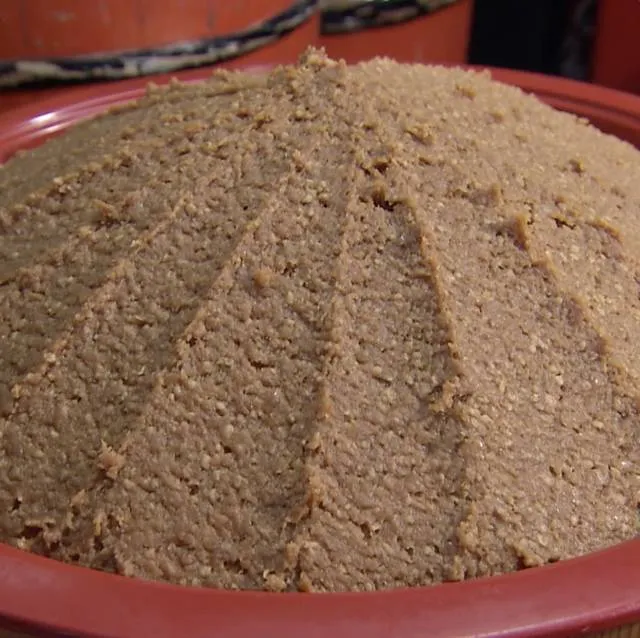
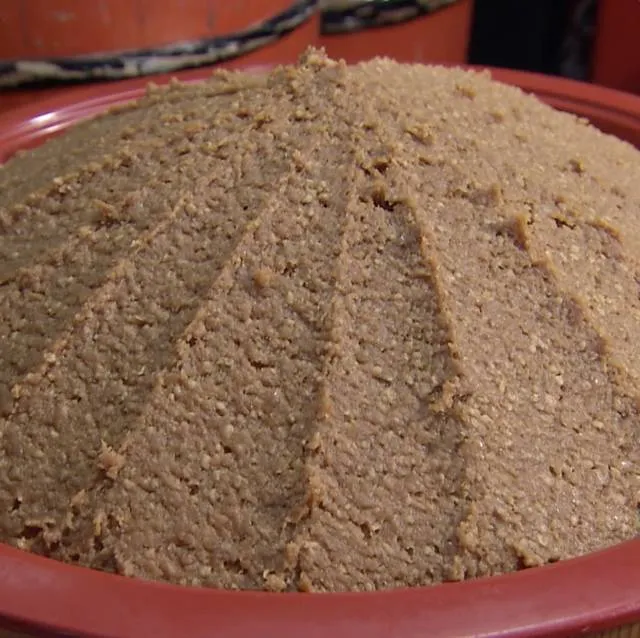
Especially unique is the Sendai Miso, or miso produced in Sendai city. It’s known for using large amounts of rice, soybeans and salt. Soybeans used to create Sendai miso is Aragoshi or coarsely mashed, more than your typical miso.
Sendai miso is also known for its deep Umami or fifth flavor, which is the key element that plays a significant role in enhancing the flavor in meals with miso-based soups, sauce, and dressings. Usually, dashi or Japanese cooking broth is used together with miso when making miso soup, but Sendai traditionally did not have the culture to use dashi. This is why they had to cover up for the lack of dashi by creating miso with a rich flavor.
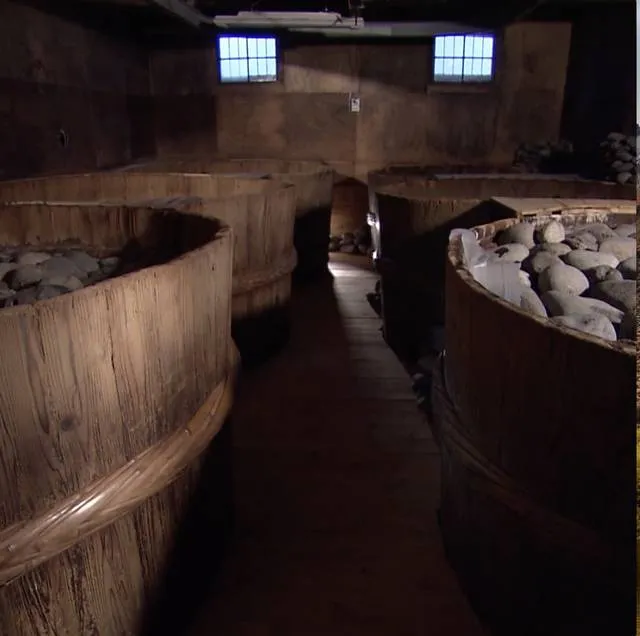
Sendai miso’s slow fermentation of soybeans produces abundant amino acids and peptide, which gives it the unique fragrance unique to Sendai Miso. Proud artisans of Miyagi work around the clock to preserve the 400-year tradition of creating this delicacy.
Sendai miso’s slow fermentation of soybeans produces abundant amino acids and peptide, which gives it the unique fragrance unique to Sendai Miso. Proud artisans of Miyagi work around the clock to preserve the 400-year tradition of creating this delicacy.
Miso Soup- Most Classic Way To Use Miso
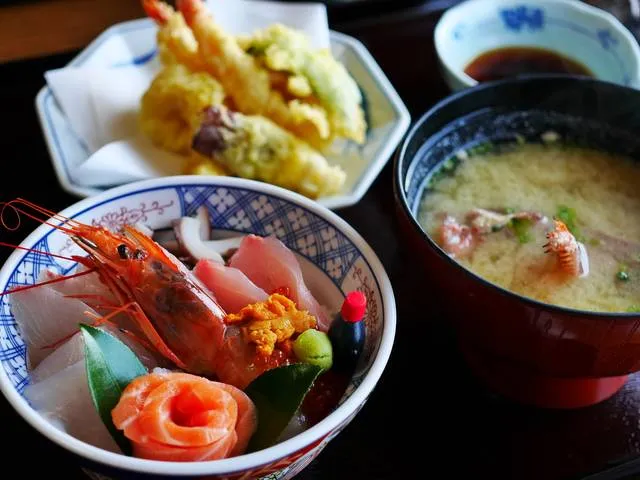
Miso soup is the dish that almost all households make from time to time, if not, every day. The most basic form of miso soup includes five ingredients: dashi stock, miso, tofu, chives, and seaweed. There are however no rules about the ingredients. You can add in any vegetable of your preference. For example, one of my personal favorites is cabbage and potato miso soup.
Miso soup is easy to make. Total time needed to make the soup is about 10 to 15 minutes, including prep time of 5 minutes.
Ingredients for two people:
400ml dashi stock
1 tablespoon of miso paste
100 grams of tofu
2 tablespoons of seaweed
2 tablespoons of diced chives
Miso soup is easy to make. Total time needed to make the soup is about 10 to 15 minutes, including prep time of 5 minutes.
Ingredients for two people:
400ml dashi stock
1 tablespoon of miso paste
100 grams of tofu
2 tablespoons of seaweed
2 tablespoons of diced chives
1. Cut up tofu into small squares, shorten seaweed into a length that is easy to eat, and dice the chives. (If seaweed needs to be reconstituted, put them in a small bowl of water beforehand, and drain it)
2. Bring dashi stock to boil in a saucepan, then add tofu.
3. After a few minutes, add seaweed.
4. Turn the heat off and dissolve a scoop of miso paste into the dashi stock.
5. Once the miso is dissolved, turn the heat back on, and then turn the heat off before the soup reaches boiling point.
6. Add chives into the soup of the soup bowl before serving.
Miso soup is just one example of what you can make using miso. Try drinking and making miso soup, and during your stay in Japan, try different cooking using miso paste- especially the tasty Sendai miso.
Information
750 grams of Sendai miso is about 500 yen- 1000 yen, depending on the brand. Although you can usually find some Sendai miso in supermarkets anywhere in Japan, you can find a wider variety if you go to Sendai.
You can visit a Sendai Miso factory called Sendai Miso Shoyu in Sendai. It’s about a two-hour bullet train ride from Tokyo Station to Sendai Station. From Sendai station, take the Tohoku line to Nagamachi station, then transfer to the Nanboku line and get off at Nagamachi Icchome station (about 10 minutes). It’s a 15 minute walk from the station.
Sendai Miso Shoyu Co. Ltd
◼ Address
5-1, Furujiro, Wakabayashi-ku, Sendai city, Miyagi, 984-0825
◼ Tel
+81-22-286-3151