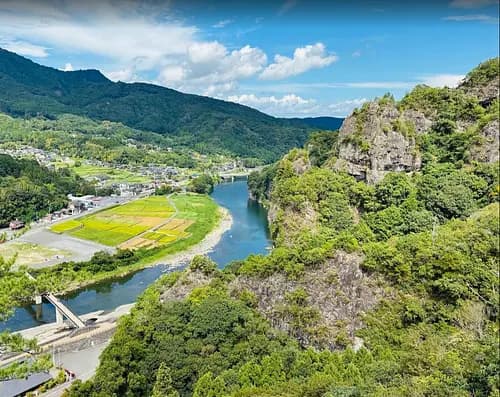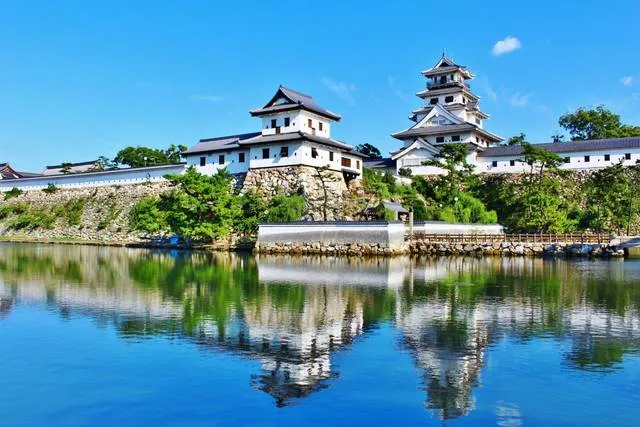
Ehime prefecture is located on the island of Shikoku. Ehime prefecture is known for having various kinds of castles including one of the twelve original castles in Japan, Matsuyama castle, and one of the three top “Mizu-shiro” castles built on water, Imabari castle. If you like history and castles, Ehime prefecture is a great place for you to visit.
Summary
Japanese castles are very popular sightseeing spots in Japan. You can see a great architecture when visiting castles. Also, if you are interested in learning about Japanese history, visiting castles in Japan is a great way to learn. There are many castles in Ehime prefecture. Therefore, if you want to visit Japanese castles, Ehime prefecture is a great place to visit. There are various castles in Ehime so you will not get bored by visiting them. A castle in itself is great but also there are gardens, parks and castle towns that make the entire atmosphere and view great. Imabari castle is a unique castle that takes advantages of being close to an ocean.
View on FacebookWhat Were The Role Of Japanese Castles In The Past And The Present?
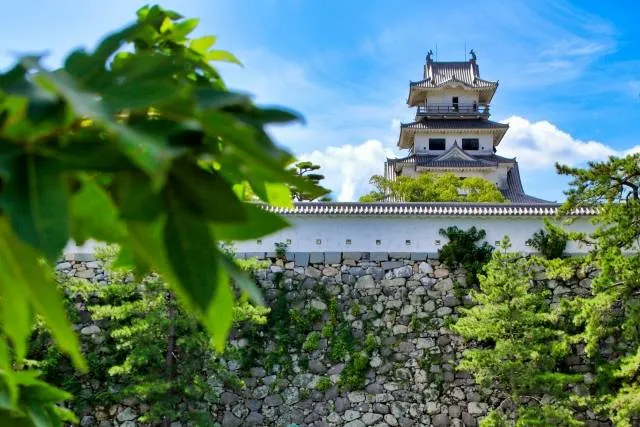 Castles that represent power were needed to be built during Sengoku era. During the Sengoku era, castles were the center of politics and everyday life. It is also a symbol of the prefecture that local people gather and cherish. In modern times, it is a place for people to go sightseeing. Japanese castles have always been important places for people in Japan.
Do you know how many castles there are in Japan? It is said that there were 35,000 castles at one point. The reason why many castles disappeared is because of the law called “Ikkoku Ichijo Rei”, One castle per province, issued by Tokugawa Shogunate after the Edo era began. “Ikkoku Ichijo Rei” is a law that allows only one castle per province. Because of this law, many castles were abandoned. In addition, because the ordinance abolishing castles was promulgated in 1873, two thirds of the castles were abandoned.
What are the roles of castles?
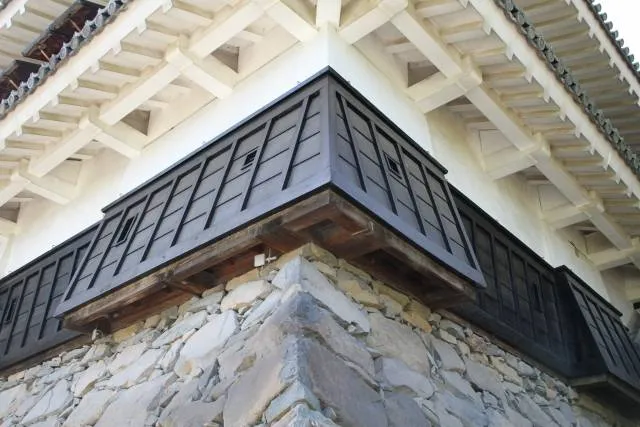 Japanese castles were always in the center of politics so it had to be protected and also it had to protect people. There were a lot of methods used to protect the castles from enemies.
Ishiotoshi
Ishiotoshi is a weapon equipment that protects Tenshu by dropping rocks and throwing hot water on enemies climbing up the stone wall.
Sama/Hazama
It is a small window from which to attack enemies by firearms and arrows. There are various shapes of window such as triangle and square.
Hori
It is a moat surrounds a castle and filled with water so that enemies cannot come in the castle.
There are various weapons that are quite cleverly used. Castles in Japan were symbolic places as well as places to protect people.
If You Want To See Various Castles In Japan, Ehime Prefecture Would Be A Great Place!
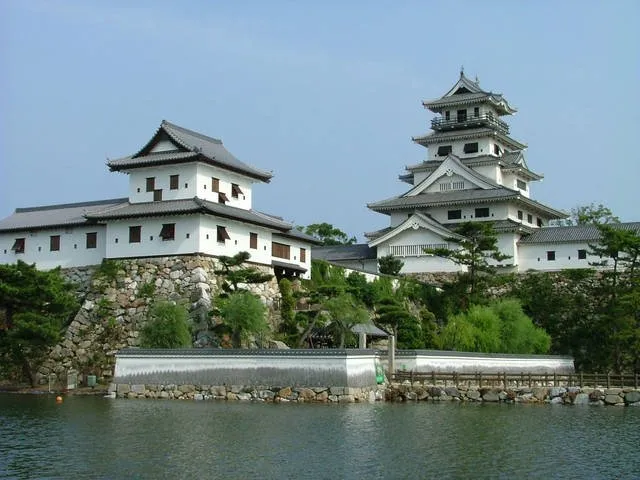 There are many castles left in Ehime prefecture from different eras. There are many castles from Sengoku era to Edo era. Due to the layout where Ehime prefecture is facing the ocean, there are unique castles which took advantages of the ocean and water.
Imabari castle, A castle which took advantages of ocean water
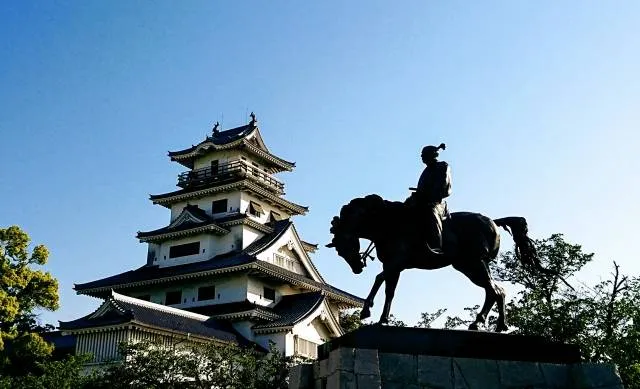 Imabari castle is one of the top three Japanese “Mizu-shiro”, castles built on lakes or marshes for defensive reasons. The other two castles are Takamatsu castle in Takamatsu and Nakatsu castle in Oita. Imabari castle is facing Setonai sea in the Shimanami Kaido area. Imabari castle was built by Takatora Todo in 1602. One of the features of Imabari castle is the Hori, a moat. Since it is close to an ocean, the sea water is used to fill up the area in the Hori. It is a very unique and rare castle that has a port in its precinct. The transportation that took advantage of the nearby ocean prospered around this area at that time, so the castle has a structure that ships used to be able to come from the ocean into theinto the Hori. It was rebuilt in 1980, but the castle maintained its greatness and solemness. Inside the castle, there are exhibitions of old weapons, antiques, stuffed birds, and specimens of fish. Another charm of this castle is the view at night. It is lit up at night every day and the atmosphere is very mystical and beautiful.
Matsuyama castle, one of the twelve original castles in Japan
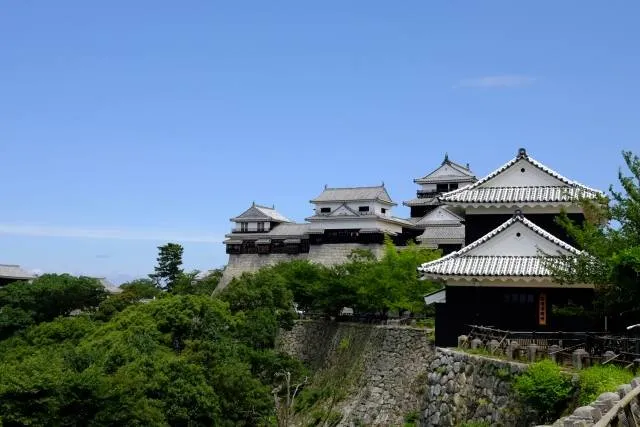 Matsuyama castle has survived the post-federal era since 1868 and is one of the twelve original castles existing today in Japan. It is also registered as an important cultural site. It is located on Mt. Katsuyama. Since it is located on a steep hill, the view you can see from Matsuyama castle is breath-taking. You can look out at the city of Matsuyama. Also, if the weather is good, you can see Mt. Ishizuchi, the highest mountain in Western Japan, and islands in Setonai sea. You can enjoy a panoramic view from Tenshu in Matsuyama castle. Even though Matsuyama castle is located on the hill, you don’t have to worry about walking all the way up to the castle. There is a ropeway you can take from the ropeway station, “Shinonome guchi”. It is only a three minutes’ ride, but there are a few great photo spots while you are riding up the a ropeway so make sure to enjoy the view from the ropeway as well!
One of the architectural features of Matsuyama castle is its stone wall. There is a stone wall that is over 45 feet high (14 meters). They were built for defense purposes but its design is very beautiful and magnificent. Matsuyama castle with its line of stone walls makes great scenery.
Matsuyama castle is also rich in nature
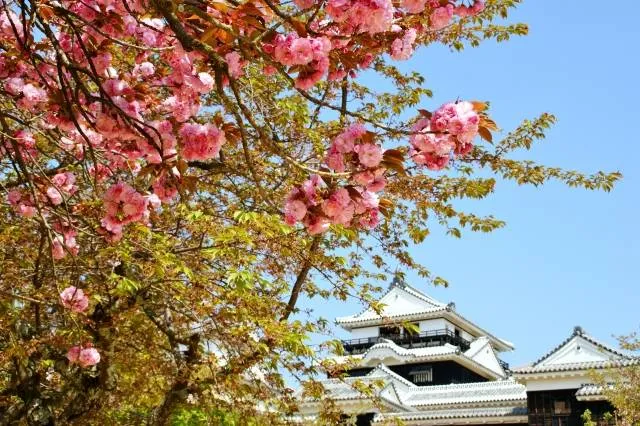 Matsuyama castle has not only a great history but also great nature.
There are about 200 cherry trees on the castle precinct. Therefore, people come visit Matsuyama castle to see cherry blossoms during the blooming season in spring. The best season to see cherry blossoms is the beginning of April.
In addition, there is “Ninomaru garden” on the south side of Matsuyama castle. It was used as the second line of defense but because it was destroyed, it became a garden. You can see beautiful green plants and ponds so it is a great place to take a break after going through the castle.
Kawanoe castle, with a great view of a city and cherry blossoms
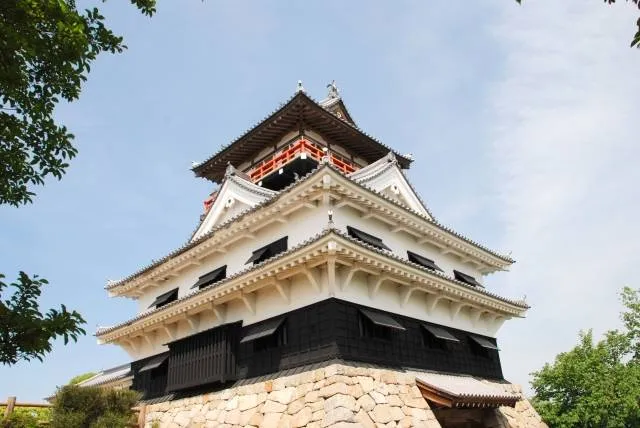 It was built on a mountain so anyone can see. It represented great power to rule the area. From Tenshu, you can see a great ocean view toward the northwest and a castle town in the east. There are not many people so you can have a relaxing time here. Local people often come to take a walk since it is very quiet and beautiful. It is also known as a place to see cherry blossoms in spring. Cherry blossoms-related events and festivals are held in spring. During the cherry blossom season, there are sometimes food stands as well. You can see a view of the castle during the cherry blossom season. It would be such a Japanese experience.
Castles In Japan Are Symbols Of Japanese History
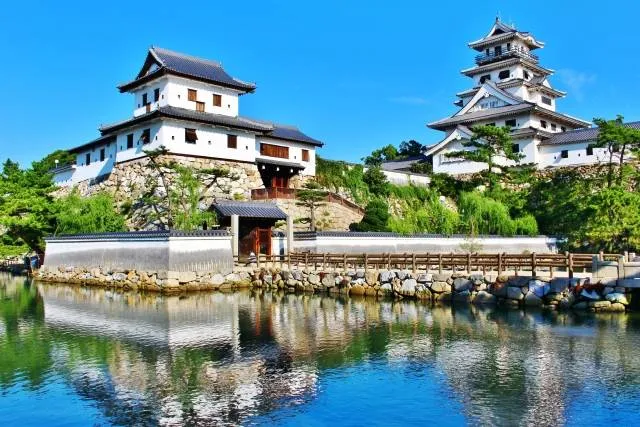 If you are interested in Japanese history, you can learn so much from castles in Japan. There are various castles in Japan, especially if you come to Ehime prefecture, you can see more than one castle. Each castle has a unique design and smart methods of protect people and the castle during the Sengoku era. Castles in Japan used to be the center of local politics and very important properties. Castles now are still very important symbols of its area and places that attract a lot of tourists.
Information
Imabari castle
Access: By train&bus: Take Sasan line to “Imabari station” and transfer to a Setouchi bus bound for “Imabari Eigyosho”, and get off at “Imabarijo mae”.By car: About 15 minutes from “Imabari Kita IC” on Nishiseto Expressway, or
About 20 minutes from “Imabari Yunoura IC” on Imabari Komatsu Expressway
By ship: 10 minutes’ walk from a Port Imabari
Address: 3 Chome-1-3 Tōrichō, Imabari-shi, Ehime-ken 794-0036
Hours: 9:00~17:00
Closed: From December 29th to December 31st
Fee: Adult: 500 yen, Student: 250 yen, *Group discount available (over 20 people) :20% off
Matsuyama Castle
Access: From Matsuyama airport: Take an express bus bound for Dogo Onsen, get off at “Okaido”, 5 minutes’ walk from there.From JR Matsuyama station: Take a local train bound for Dogo onsen, get off at “Okaido”, 5 minutes’ walk from there.
Address: 1 Marunouchi, Matsuyama, Ehime Prefecture 790-0008, Japan
Hours: Ropeway: February~July: 8:30~17:30,
August: 8:30~18:00
September~November:8:30~17:30
December~January: 8:30~17:00
Tenshu: February~July:9:00~17:00
August:9:00~17:30
September~November:9:00~17:00
December~January:9:00~16:30
Closed: Ropeway:None
Tenshu: Third Wednesday in December
Fee: Adult: 510 yen(admission fee), 510 yen (a round-trip ticket for ropeway), 270 yen (one-way ticket for ropeway), 1,020 yen (Admission fee+round-trip ropeway)
Children(elementary school student): 150 yen (admission fee), 260 yen (a round-trip ticket for ropeway), 130 yen (one-way ticket for ropeway), 410 yen (admission fee + a round-trip ropeway)
Kawanoe Castle
Access: 10 minutes’ walk from JR Kawanoe stationAddress: 1087-4 Kawanoechō, Shikokuchūō-shi, Ehime-ken 799-0101, Japan
Fee: Adult: 100 yen, Children: 50 yen
Hours: 9:00~16:00
Closed: Mondays, From December 29th to January 3rd
Reference List
http://www.matsuyamajo.jp/matsuyamajo/
https://museum.city.imabari.ehime.jp/imabarijo/about/
https://www.japan.travel/en/spot/825/
https://dogoehime.com/ehimeareainformation/castle-ehime/