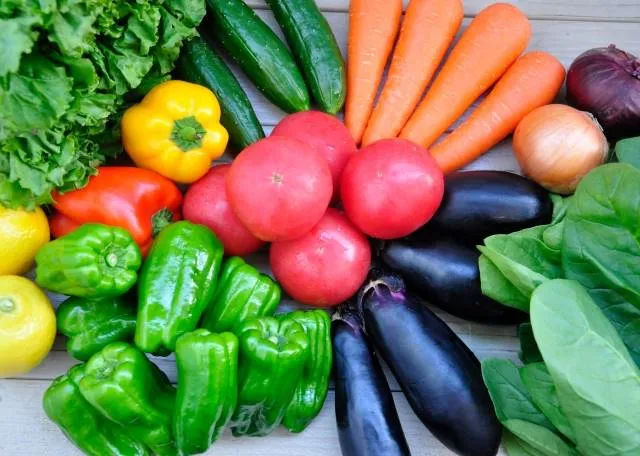
Here we introduce 10 popular vegetables found in Japanese supermarkets. Read how they similar or different they are to the vegetables in the U.S.
Summary
Here we introduce 10 popular vegetables found in Japanese supermarkets. Read how similar or different they are to the vegetables in the U.S. The 10 vegetables mentioned are: cucumbers, bell peppers, carrots, pumpkins, tomatoes, eggplants, daikon, cabbage, spinach and mushrooms.If you're looking for even more "Japanese Food" you can find them all on our brand new website called「WOW U」
Vegetables in Japan
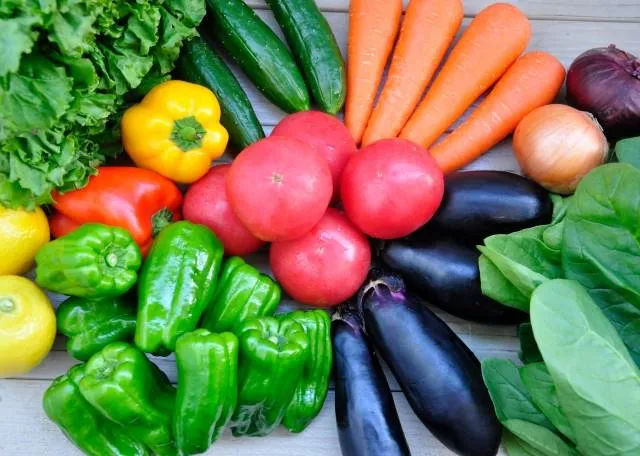 Most Japanese prefectures are home to a variety of vegetables and fruits. Depending on the prefecture’s climate and altitude, the vegetables they produce in large amounts differ. Kagoshima in southern Japan, for example, is the biggest producer of sweet potatoes, and Hokkaido, the northernmost island of Japan’s four main islands, is the biggest producer of onions, potatoes and carrots. Below we introduce 10 typical vegetables you find in Japan. Most vegetables can be found all year round, but is the most delicious (and cheapest) when in season.
The 10 Popular Japanese Vegetables
 1. Carrots
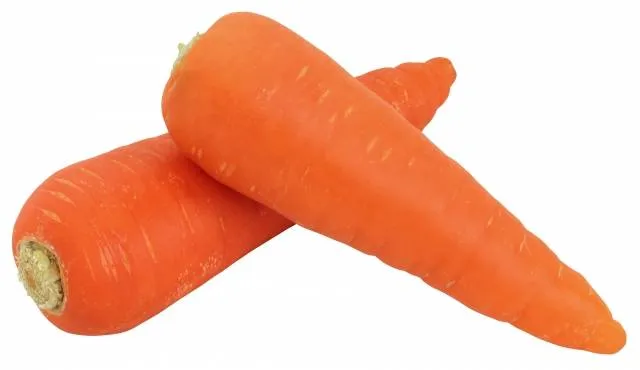
Japanese carrots are thicker and shorter, compared to those sold in the U.S. Many people would not pick the word “sweet” to describe the taste of Japanese carrots, with the exception of a special type of carrot called the “snow carrot,” harvested in a buna forest in Aomori prefecture. With the minerals of the buna forest, these “snow carrots” literally grow underneath snow in the cold winter. The carrot ends up becoming almost as sweet as a fruit. In the U.S., toddlers munch on raw carrots for snacks but in Japan that’s almost never heard of. Sometimes it’s eaten raw as carrot sticks (often with cucumber and daikon sticks) or very thin slices on top of a salad, but usually it is used for stewed dishes like Japanese curry. The “snow carrots” are a rare exception and their fresh carrot juice is extraordinary.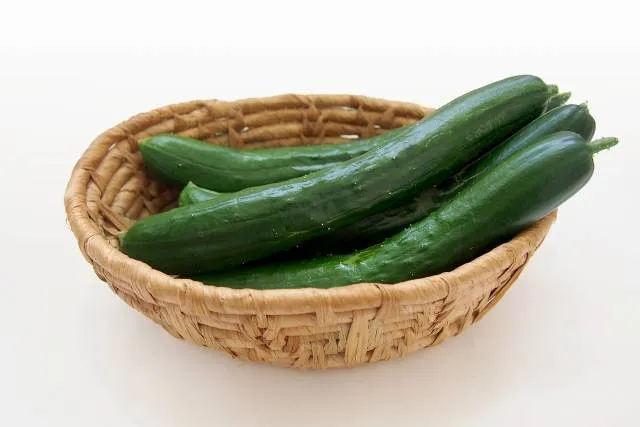 2. Cucumbers
Japanese cucumbers are a summer vegetable. Since it’s mostly made out of water, the flesh tends to be cooler than the outer skin, and has a cooling sensation when one takes a bite. It’s crisp with a melon-like taste, and is easy-to-eat. In fact, one of the first sushi dishes that a child has is a cucumber roll, where thin slices of cucumber are the sole ingredient of the roll. One source says that, Japanese cucumbers sold in supermarkets are all about 8.26 inches (21 cm) long. Reason being, when you slice off both ends of a cucumber, it becomes about 7.48 inches (19 cm) long. This is the perfect size for a sushi roll, because the seaweed used to wrap the roll is about 7.48 inches (19 cm) long. Compared to cucumbers found in the U.S, Japanese cucumbers are thinner and the skin is a darker green.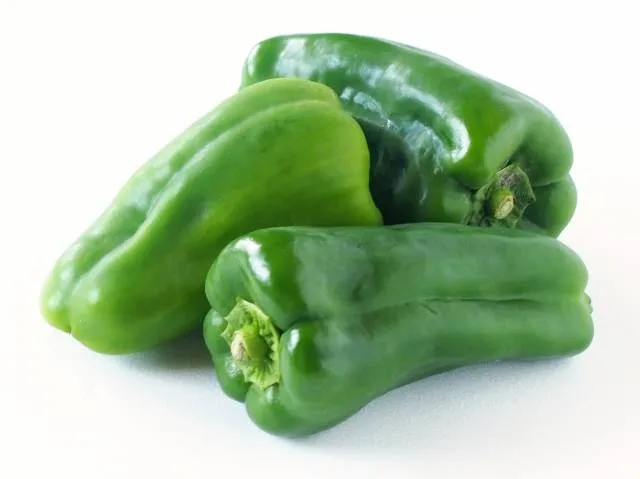 3. Bell Peppers
When we say bell peppers in Japan, the most common are the green bell peppers like the ones in the picture above. These green bell peppers are sold in packs, usually with about five each, and are considered an everyday vegetable. It is smaller and thinner in size, compared to bell peppers sold in the U.S. They also have a slightly grassy smell and are a little bitter. It is perhaps for this reason that year after year green bell peppers are picked as the number 1 least favorite vegetable among Japanese children. It’s a summer vegetable that’s usually cooked with other summer vegetables such as eggplants and tomatoes. 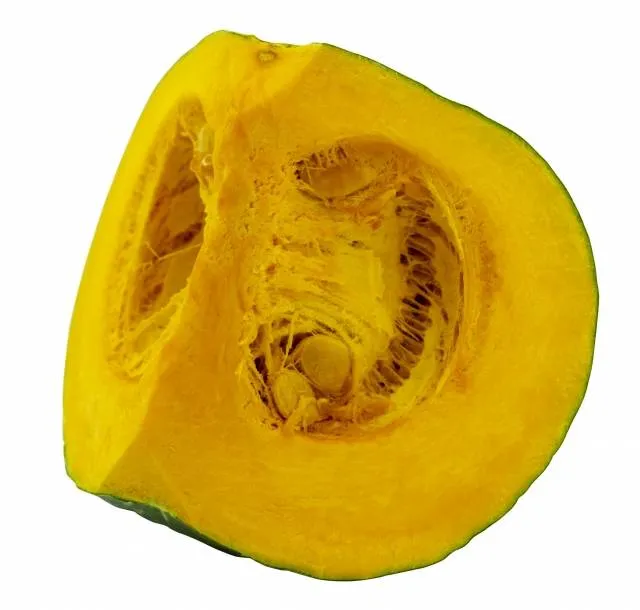 4. Pumpkins
The Japanese pumpkin is a late summer- fall vegetable. They are sweet, and are similar to a buttercup squash, and often used to make tempura, pumpkin soup or side dishes. The Japanese pumpkin is smaller than a western pumpkin that is used to carve out jack-o-lanterns. Although the same word “pumpkin” may be used to describe these two vegetables, they are as similar as a grape and a prune. The taste and texture are completely different. Japanese pumpkins are starchy whereas pumpkins in the U.S tend to be spongy. An American pumpkin pie will not taste the same if made out of Japanese pumpkin.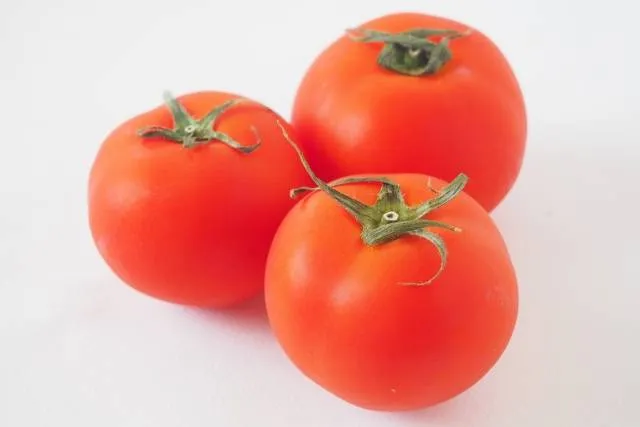 5. Tomatoes
Japanese tomatoes are a summer vegetable. It doesn’t play a major role in Japanese traditional cooking, but it is a vegetable that is almost always found in salads and other side dishes in Japan. It is also used for popular Italian dishes as sauce. In the U.S, the oval-shaped roma tomato may be the norm but in Japan, round and juicier (watery) tomatoes are the norm. 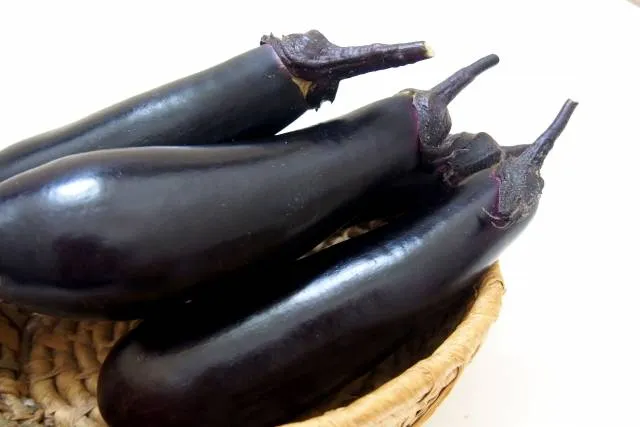 6. Eggplants
Eggplants are a summer- fall vegetable. Like the picture above, typical eggplants in Japan are long and slim compared to those found in the U.S. It’s also sweeter and commonly used for stir-frying. Large, pear-shaped eggplants found in the U.S are also sold in supermarkets in Japan but are labeled as “beinasu” (“bei” meaning American, “nasu” meaning eggplant), which are delicious when grilled. In either case, the shinier and the heavier, the tastier.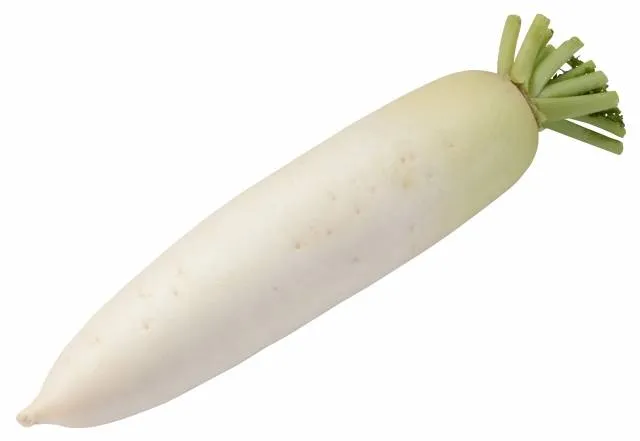 7. Daikon
The above is a typical Japanese daikon. Although smaller ones are harvested as well, if you say daikon, most Japanese people would imagine the above. It’s hard for a typical nuclear family to finish eating a whole daikon in a few days, so in Japanese supermarkets, it’s common to find them chopped up into 3 or 4 large pieces. It’s a winter vegetable and many like to put it in their miso soup and hot pots, or eat it raw or grated into daikon-oroshi, a topping for grilled fish. Raw daikon is a little spicy but the spiciness disappears when it is stewed or cooked. 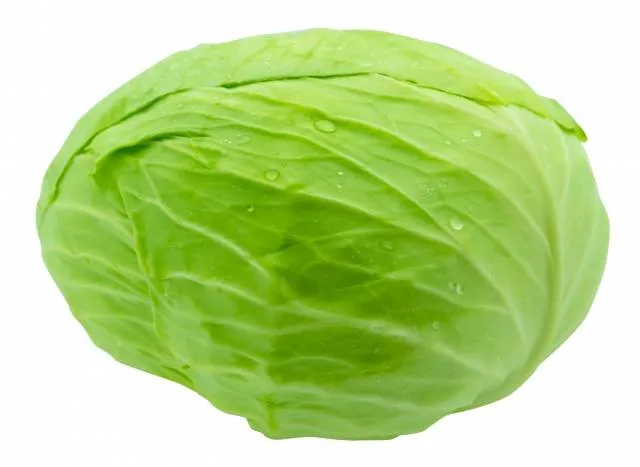 8. Cabbage
In Japan, cabbages are an inexpensive vegetable that’s usually served with fried food, and is also one of the key ingredients of okonomiyaki or Japanese pizza. There is another type of cabbage called the “Chinese cabbage” (picture below) which is a popular winter vegetable in Asia, commonly used in Japan for hot pots. Chinese cabbages have an average length of 15.7 inches (40cm). Like daikon, cabbages and Chinese cabbages are also sold in pieces because it’s hard to eat it all.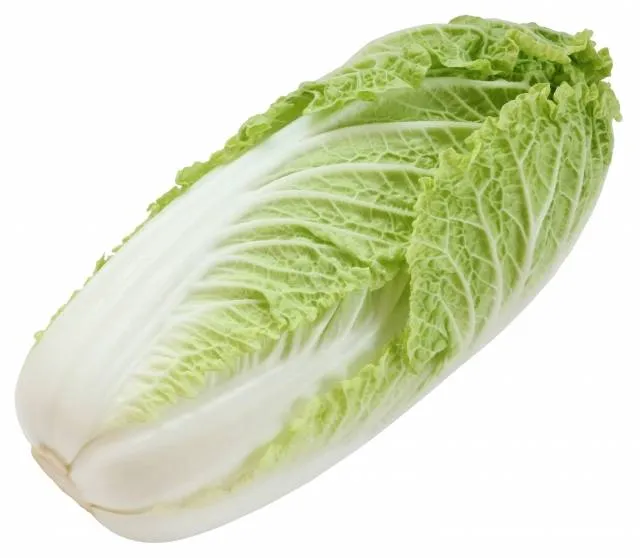
Chinese Cabbage
 9. Spinach
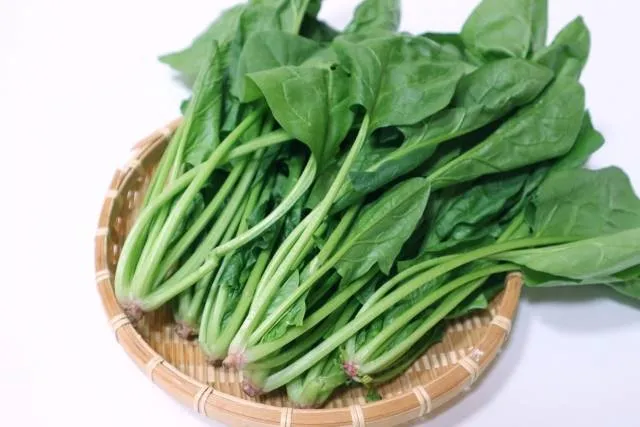
Just like cabbage, two types of spinach are sold in Japan: The typical spinach sold in U.S supermarkets as well, and the “Japanese mustard spinach”(picture below). The typical spinach has a strong taste, whereas the Japanese spinach is less bitter. Health benefits are equally high. In Japan these two vegetables are used differently- spinach is primarily used for western cooking where as the Japanese mustard spinach is primarily used for Japanese and Chinese cooking.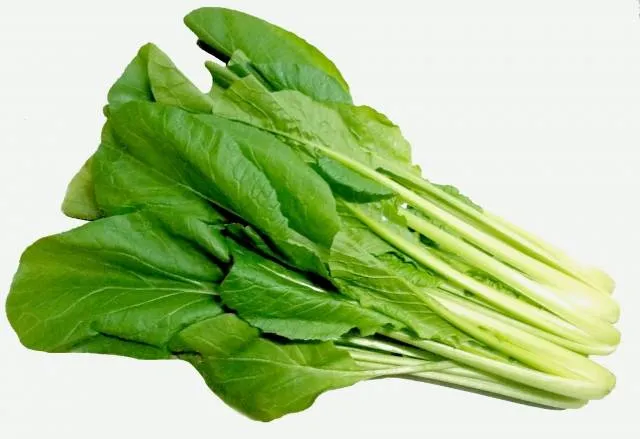
Japanese Mustard Spinach
 10. Mushrooms
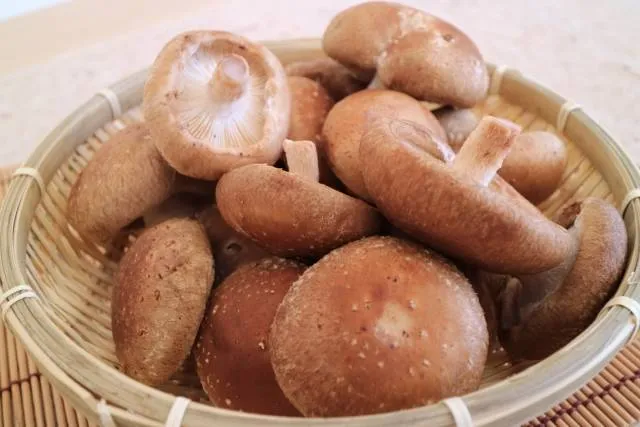
Some people from abroad are impressed with the wide variety of mushrooms that are available in Japan. Mushrooms play an important role in Japanese traditional cooking. Take for example, the tasty Shiitake mushrooms- they are flavorful, meaty and great for tempura and hot pots. Although Shiitake mushrooms can sometimes also be found in the U.S, they are not as popular and widespread. Try as much mushrooms here as possible, because they are all delicious in their own ways!
Information
If you can rent a car and drive, fly from Haneda airport to Aomori airport (1 hr 20 min), then drive from the airport to Henashi (about 2 hours).With public transportation, it's a little faster if you go from Akita prefecture. Fly from Haneda airport to Akita airport(1 hr). From Akita airport, ride the limousine bus to Akita station (40 min), then ride the Ouuhonsen line to Higashino-shiro station (1 hr). From there, take the Gono line to Henashi station (1 hr 33 min).