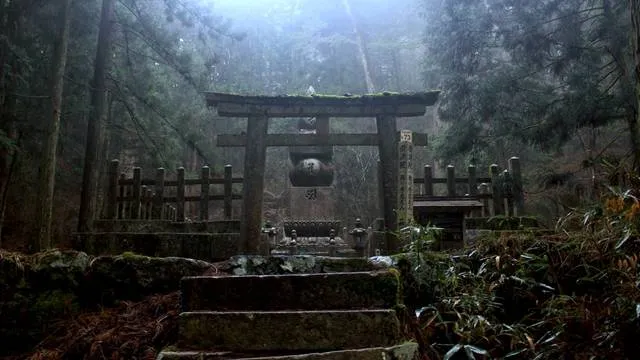
content: Kumano Kodo is one of the most famous pilgrimage trails in Japan, located in the Kii Peninsula. It has been registered as a World Heritage Site since 2004.
Summary
Kumano Kodo is one of the most famous pilgrimage trails in Japan, located in the Kii Peninsula. It has been registered as a World Heritage Site since 2004.
Old shrines in this area are architecturally impressive, and the trails have some outstanding natural seasonal views which creates a unique atmosphere. Here are some recommended things to do and see within the area, including a tour leading you to an amazing Kumano Kodo World! You can glimpse a unique religious fusion of Shinto and Buddhism in the spiritual natural environment.
What is Kumano Kodo?
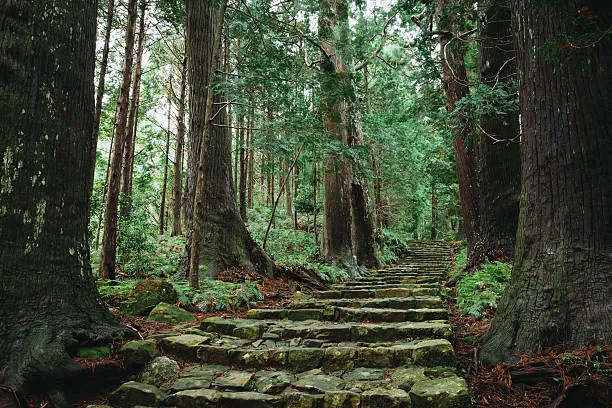 Kumano Kodo is known as one of the most famous pilgrimage trails in Japan. Located in the largest peninsula “the Kii Peninsula”, it has been registered as a World Heritage Site since 2004. The routes are across three prefectures; Nara Prefecture, Wakayama Prefecture and Mie Prefecture. The trails have been developed by pilgrims for over 1,000 years, from ancient times to the middle ages. Open to anyone regardless of class (from nobles to commoners), Kumano Kodo has been a worship journey for the believers visiting sacred sites along the way. Because mountainous paths are hard to hike and could be dangerous, the hike itself has become a religious experience as well.
Although most of the routes that used to be there have disappeared, several ones still remain and you can gain access to some famous shrines. You can glimpse a unique religious fusion of Shinto and Buddhism in the spiritual natural environment.
5 Things To See in Kumano Kodo
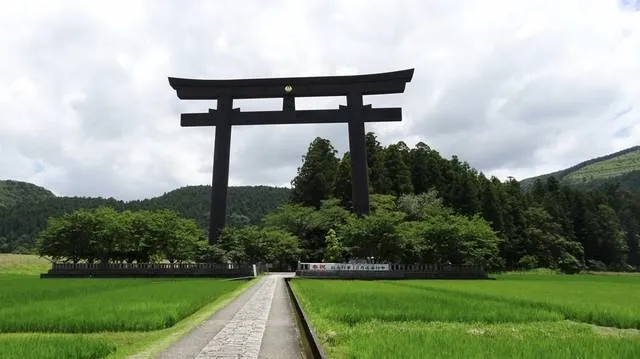 Although Kumano Kodo has its origin in the pilgrimage, it has been popular just for trekking too. Especially since it was designated as a World Heritage in 2004 as “Sacred Sites and Pilgrimage Routes in the Kii Mountain Range”, many hikers interested in enjoying the beautiful mountainous view have visited here. Old shrines in this area are architecturally impressive, and the environment itself is outstanding with a harmony of nature and religious history. Here are some recommended things to see.
1. Outstanding Historical Shrines
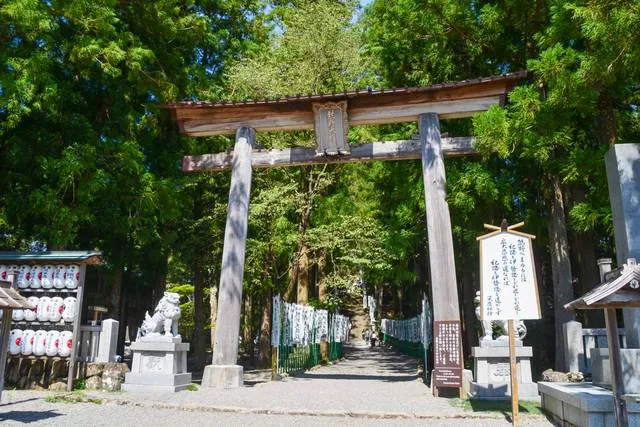 There are three main shrines that belong to Kumano Sanzan; Kumano Hongu Taisha, Hayatama Taisha and Nachi Taisha. Kumano Sanzan is a term to describe the set of three grand shrines in this area. Kumano Hongu Taisha in particular is usually the main destination of the pilgrimage. It is the head shrine of over 3,000 Kumano shrines across Japan.
2. Best Views
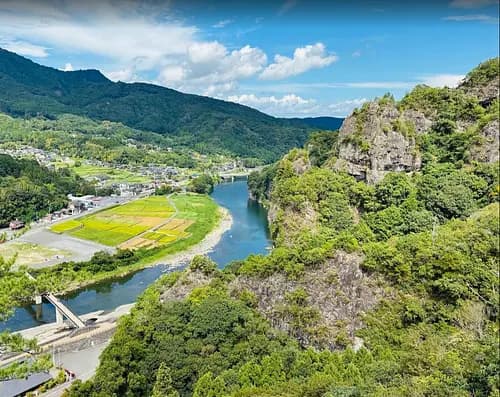
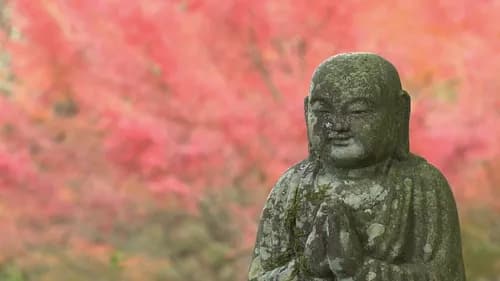
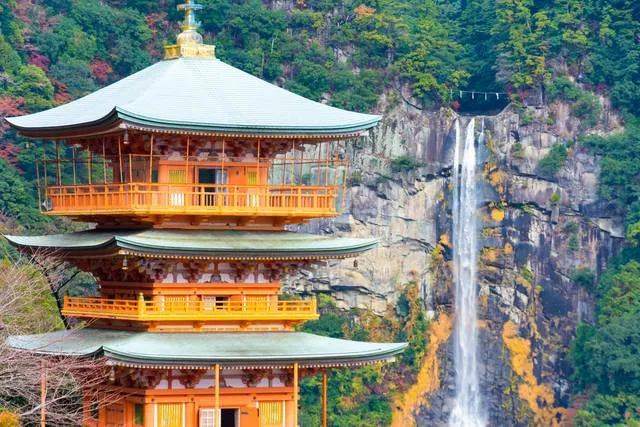 There are plenty of stunning views along Kumano Kodo, but one of the most beautiful views is the one with Nachi Waterfall with a pagoda of Kumano Nachi Taisha Grand Shrine mentioned above. This has been a breathtaking view for centuries for pilgrims. Another natural landmark you must see is the Gotobiki-iwa, a gigantic rock located in Gongen Mountain. The whole area changes its view as the season turns. You can see amazing cherry blossom from late March to early April, and coloured leaves from late October to early November. Summer (May to September) is also a lovely season to hike. You can expect temperatures to reach up to 25-30 degrees in the area during these months.
3. Spot to Rest
When trekking, there’s a nice spot to stop to take a rest and have lunch. It’s called Fushiogami Chaya. It’s on the way to Hongu Taisha if you start at Hosshinmon Oji Shrine. You can enjoy a traditional Japanese style lunchbox with rice balls and small side dishes. After lunch, great coffee made using local hot spring water awaits!
4. Events and Festivals
There are some Japanese traditional festivals throughout year around this area. The biggest festival is held on 13th-15th April every year at Kumano Hongu Taisha. During this festival called “Kumano Hongu Taisha Reitaisai”, 40-50 people in traditional clothes march heading for the Yunomine Hot Spring area with drumming and singing. In September, they hold the “Yatano Fire Festival”. You will see about 500 of beautiful lanterns on the trail ways starting from Kumano Hongu Taisha. You’ll also see Mikoshi (portable shrines) and 30 ladies marching in traditional white outfits.
5. Hot Springs
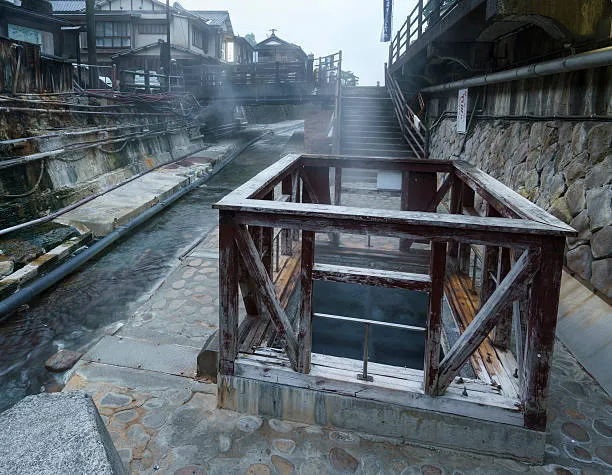 Around Kumano Kodo, there are three popular hot spring spots; Kawayu Onsen, Yunomine Onsen, and Wataze Onsen. Kawayu Onsen is a very unique hot spring spot where you can dig the river with shovels and create your own hot spring spots! (Kawayu means “river hot spring”.) Yunomine Onsen is a historic hot spring which has been there for over 1,800 years and it is famous for having a bath spot called "Tsuboyu" which is said to change its water color seven times per day.
Etiquette At Kumano Kodo
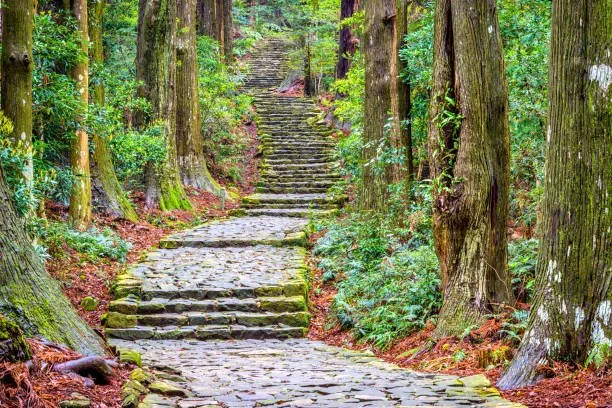 If you visit this historic and natural area, there are some etiquettes or rules to be aware of.
First, to preserve the natural area, carry your trash with you; stay on the designated routes, do not pick any plants or feed wild animals and be careful with fire (lighter etc).
Second, when you meet other hikers on the way, give greetings and friendly smiles. You will feel your body and mind are even more purified if you keep to these rules!
Third, it’s not really a rule, but plan your trip well and equip yourself properly for your own safety. What to bring depends on the seasons, however, this area tends to have showers and rain quite often so make sure to bring water-proof bags, proper trekking shoes or boots as well as raincoats. Likewise when going to other hiking spots, you should take a first aid kit, flashlight, sunscreen and a change of clothes.
Information
You can access the Kii Peninsula by plane from Haneda Airport to Nankishirahama Airport, It takes about 1 hour and 20 minutes. To get to Kumano Hongu Tourist Association, it takes approximately 1 hour and 15 minutes by drive.
Address: 100-1 Hongu Hongucho Tanabeshi, Wakayama Prefecture 647-1731 (Kumano Hongu Tourist Association)
Tel: +81-735-42-0735
*Please note that English may not be spoken in some tourist spot facilities.
Reference List
http://www.hongu.jp/
http://www.hongutaisha.jp/link/
http://kumano-guide.com/rule.html