Lotus root or Renkon is a widely consumed vegetable across Japan, which you can see in everyday meals at Japanese homes. Daiwacho village of Hiroshima prefecture is known for their production of healthy and delicious lotus root called Hakuryu or "white dragon". This ‘Hakuryu’ is crunchy or tender in texture, depending on how you cook the lotus root. Considered a delicacy throughout Japan, Hakuryu lotus root are highly sought after!
The history of Daiwacho's Hakuryo lotus roots
Hiroshima’s Daiwacho village is popular for their agriculture of the Hakuryu lotus roots. The farming of the Daiwacho's Hakuryu lotus root all started when the farm owner Noriyuki Morimoto used to work at a post office and he received lots of roots as a gift from a customer. After he tried the lotus root, Noriyuki was surprised by the deliciousness of it and his wife would joke: "Maybe you should start growing them too”. This inspired him to start the agriculture of the Hakuryu lotus root within Daiwacho village. 20 years on, Noriyuki and 7 other members of his family still cultivate and farm this prominent lotus root!
What so special about Daiwacho's Hakuryu lotus roots
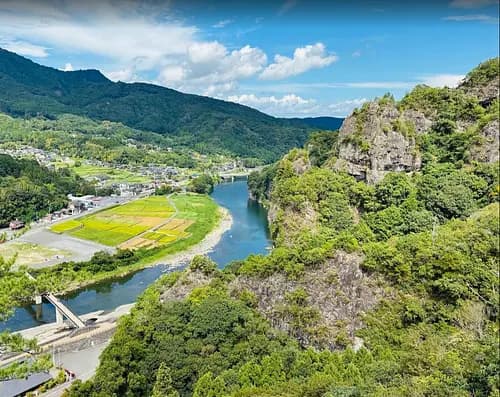
Unlike other regions, Daiwacho is located at an elevation of an 270m in low uplands, which provides a greater temperature difference between day and night time. Due to the colder temperatures at night, the lotus roots are glutinous and crunchy in texture and are white in colour. These textures enhance the flavour of the of the lotus root, making them extremely appetising! In addition, the farm aims to grow the healthy lotus roots with minimal pesticides. Another unique and special thing about their lotus roots is the way how they preserve the lotus roots afterward. Harvested between October and April, the skin of lotus roots are coated with a thin layer of mud that is enriched with fermented poultry manure, which preserves the lotus root’s freshness for a long time. Whilst visiting Hiroshima, make sure to taste Daiwacho’s beautiful and delicious hakuryu lotus roots that are cultivated and harvested with lots of love and care.
Nutritional facts about lotus roots
Other than the lovely taste and crunchy texture, the lotus roots contain a lot of nutritional and health benefits. Lotus roots are a great source of protein and dietary fiber. They also contain vitamins, iron, potassium, phosphorus, copper, and zinc which are essential minerals for a healthy body. Being enriched in minerals, consumption of lotus roots improve digestion, blood circulation, reduces stress, boosts immunity and protects against cardiovascular diseases. So there is pretty much no excuse not to eat this healthy vegetable, which can be cooked with a variety of other foods. You could even try the traditional Japanese cuisine at restaurants in Hiroshima or simply cook them at home by making a simple lotus root steak with salt and pepper.
How to eat Renkon
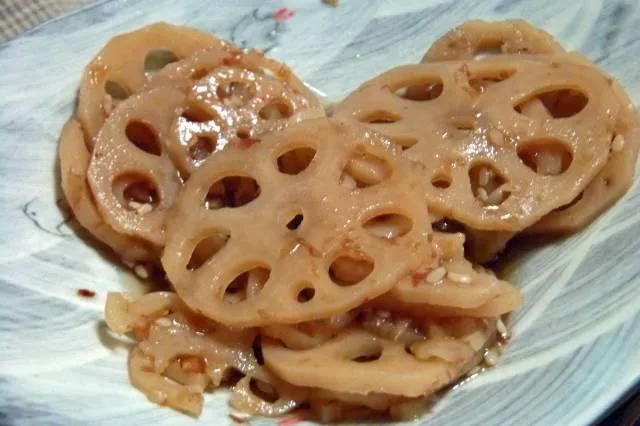 Lotus roots are widely consumed in Japan with every day meals and it is not as hard as it seems to make lotus roots dishes. To prepare lotus roots, first peel the skin of lotus root then rinse under cold water. Cut the lotus root into ½-cm rounds and rinse again. If it takes a while before you cook them, to avoid discoloration, set in a bowl with cold water with splash of vinegar. Although there are various types of lotus root dishes, the most popular Japan dish of lotus root would be “Kinpira Renkon”. Before start cooking, drain the water from soaked lotus root slices very well. Heat the fry pan with sesame oil on medium heat then add the lotus roos on the pan to stir fry. Once the lotus root is almost translucent, add sake, mirin and sugar. After the alcohol is evaporatoed, add red chili pepper, soy sauce. When the liquid is gone, and sesame seeds and toss all together and it’s ready to be eaten!
How to visit?
Hiroshima from Tokyo is 4 hours via bullet train or 90 minutes ride via plane. If you wish to particularly visit Daiwacho village, take san-yo line to Mihara city from Hiroshima station which is an approximately 90-minutes train ride. Once you get to Mihara station, Daiwacho village is another 30-minutes via car.MAP : Producers’ cooperative
Reference list
http://hiroshima-ouen.com/1078
https://www.organicfacts.net/health-benefits/vegetable/lotus-root.html
https://www.justonecookbook.com/kinpira-renkon-lotus-root/