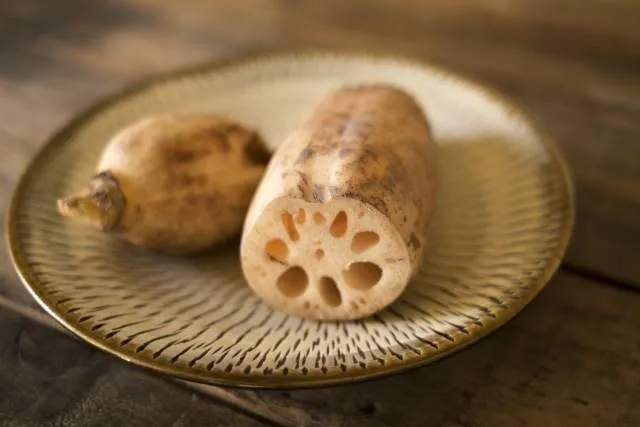
Saga Prefecture is ranked as the third leading lotus root producers in Japan with the Shiroishi lotus roots from Shiroishi town, and the mineral-rich muddy soil from Ariake sea, is perfect for lotus root production. Shiroishi lotus root is known as the best quality lotus root in Japan and is chosen by top chefs and health conscious people. Lotus toor has so many amazing health benefits. If you have never eaten it before, you should definitely try it!
Shiroishi Lotus Roots from Saga Prefecture
The Japanese often thinly slice lotus root and sautée or stew them. It is frequently used within soups, or it can be deep-fried, stir-fried, or braised. However, Shiroishi lotus root is so fresh, you can eat them raw after cleaning them well! (Don’t consume them raw, if you are worried about parasites or bacterial infections or have a sensitive stomach.)
Saga Prefecture is ranked as the third leading lotus root producers in Japan with the Shiroishi lotus roots from Shiroishi town. Shiroishi lotus root consists of 95% of the shipping produce from Saga prefecture. Saga is a prefecture in the northwest part of the island of Kyushu and touches both the Sea of Japan and the Ariake Sea, a body of salt water surrounding the island of Kyushu in Japan and the mineral-rich muddy soil from Ariake sea, is perfect for lotus root production.
Shiroishi lotus root is known as the best quality lotus root in Japan and is chosen by top chefs and health conscious people. One farmer planted lotus root in poorly drained soil about 80 years ago, and now Shiroishi lotus root had been a brand-name vegetable in Japan. The best way to get fresh Shiroishi lotus root is visiting farmers market such as Fukudomi farmers market or farms like Kuroki Noen.
What is Lotus Roots?

Lotus root is the root of the lotus flower, which is an aquatic plant of the Nelumbonaceae family. The lotus flower has been a powerful element of numerous Asian countries, especially in India. Maybe you’ve seen lotus flower logo for yoga studios or meditation classes. It represents purity, sexual innocence, and divine beauty. It is also a stunningly beautiful flower that embeds its roots in the bottom of the lake, stream, or river while the pad and the emerging flower float on top of the water. They are biennial plants, and the seeds can sprout long after dormancy. A seed more than 1,300 years old was once brought back from the dead and flowered in a laboratory. Lotus root is a woody object that attaches to the bottom of the pad and can grow up to 122cm/4feet.
The best season of lotus root is from autumn to winter. Autumn lotus root, from July to September, is softer and lighter texture, so it is suitable for salad. Winter one has more rich taste and stringy texture, and it is good for fried and stewed cuisines. There are holes in lotus roots, and it represents good luck like foreseeing the future. Lotus root is used in Japanese New Year food to welcome the New Year. The holes actually aid the rhizomes in the cellular respiration of oxygen, a process that is difficult to accomplish for rhizomes that are constantly submerged in water and in the mud. As time passes, lotus root is oxidized and turns into black from white. There is a reason that Shiroishi lotus root is covered with mud when they are shipped. The mud protects lotus root from sunlight and drying, and most importantly, keeps it fresh.
Lotus roots can be washed well, sliced, and then prepared. It has a crunchy, chewy, little bit sticky texture and has a distinctly tangy and slightly sweet taste. Many people use lotus root, as a substitute to white potatoes, and its nutritional density is far superior. You will be surprised that this undiscovered rhizome, lotus root has so many health benefits.
Lotus roots can be washed well, sliced, and then prepared. It has a crunchy, chewy, little bit sticky texture and has a distinctly tangy and slightly sweet taste. Many people use lotus root, as a substitute to white potatoes, and its nutritional density is far superior. You will be surprised that this undiscovered rhizome, lotus root has so many health benefits.
Health Benefits and Nutrition of Lotus Roots
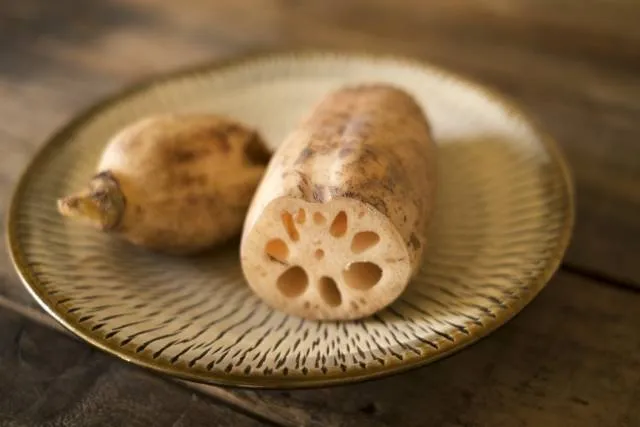
Lotus root has so many amazing health benefits including improving bowel regularity, regulating blood pressure and circulation, helping with weight loss, bolstering the immune system, aiding cancer prevention, helping treat diarrhea, reducing stress, boosting your mood, reducing inflammation, and helping treat Anemia. It keeps you away from common diseases like cold, flu, or infection. Because of its richness in Vitamin C, lotus is also able to make the skin healthy and good looking. Lotus roots are an excellent source of Vitamin A which enhances the skin, eyes and hair health. Lotus root is seemingly underrated rhizome has many benefits. If you have never eaten it before, you should definitely try it!
How to Visit?
Route 1: Fly from Narita Airport (NRT) to Kyushu-Saga International Airport (HSG) for 2 hours. You will see a bus stop after you go out of the entrance of the airport. Take the Saga airport line bus bounding for Saga station bus center (BC) for 30 mins, and it cost you 600 yen for one way. Then take the Nagasaki main line for Nagasaki for 30 mins and get off at Hizen-Shiroishi station (370 yen for one way).
Route 2: Fry from Narita Airport (NRT) to Fukuoka International Airport (FUK) for 2 hours. Fukuoka airport is only 5 minutes and 2 stations away from Hakata station. Take the limited express train Midori No.17 for Sasedo from Hakata station to Saga station for 45 mins. Then transfer for the Nagasaki main line for Nagasaki for 30 mins and get off at Hizen-Shiroishi station (In total one and a half hours and about 3000 yen). Or take the Kagoshima Line Sub Rapid for Kurume from Hakata station to Tosu for 30 mins. Transfer to Nagasaki line for Nagasaki, and take the local train for about 1 hour to get Hizen-Shiroishi station (In total about 2 hours and about 1500 yen).
Route 2: Fry from Narita Airport (NRT) to Fukuoka International Airport (FUK) for 2 hours. Fukuoka airport is only 5 minutes and 2 stations away from Hakata station. Take the limited express train Midori No.17 for Sasedo from Hakata station to Saga station for 45 mins. Then transfer for the Nagasaki main line for Nagasaki for 30 mins and get off at Hizen-Shiroishi station (In total one and a half hours and about 3000 yen). Or take the Kagoshima Line Sub Rapid for Kurume from Hakata station to Tosu for 30 mins. Transfer to Nagasaki line for Nagasaki, and take the local train for about 1 hour to get Hizen-Shiroishi station (In total about 2 hours and about 1500 yen).