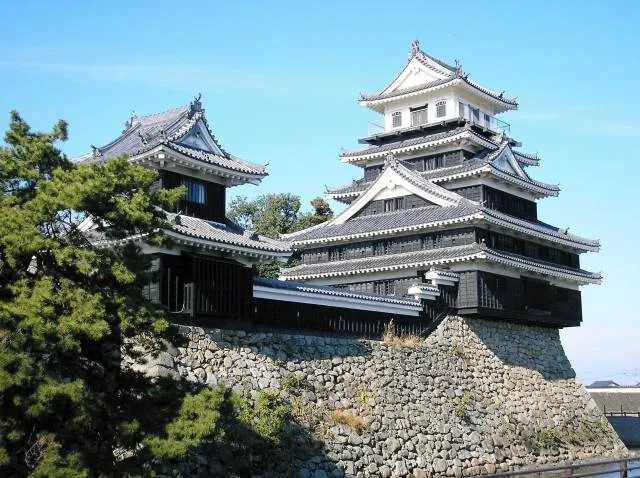
Nakatsu is a city in northern Oita Prefecture, along with the border of Fukuoka Prefecture in the Kyushu region. One of the main monuments in this historic town is the Nakatsu Castle, which was built in 1575 during the Sengoku Period. This castle is not only exquisite from the exterior but also the interior, which is made accessible for visitors, with modernized museums displaying various artifacts. If you appreciate Japanese history and culture, this city will accommodate you well.
View on FacebookThe Rich History of Nakatsu Castle
Nakatsu Castle
The Nakatsu Castle is known to be the symbol of this city. The castle has a traditional architectural design that is very different from medieval European castles. Furthermore, this castle has a rich historical background. The castle was originally constructed in 1575 during the Sengoku Era by the Okudaira Family, a samurai family from the Mikawa region. The Mikawa region in central Japan is currently known as the Chubu region. The Battle of Nagashino took place in Shitaragahara of the Mikawa Mount Region. This is the battle that is believed to have changed the history of Japan for eternity. The Oda and Tokugawa forces, which were military commanders of the Sengoku period, allied to fight against the forces of Takeda Shingen to take control of Japan. The Oda and Tokugawa forces defeated the Takeda forces, and the Okudaira family was promoted to a higher military position. Okudaira Sadamasa was awarded “Nobu,” and married Princess Kame, Tokugawa Ieyasu’s eldest daughter to become a legendary warrior and a powerful ruler. 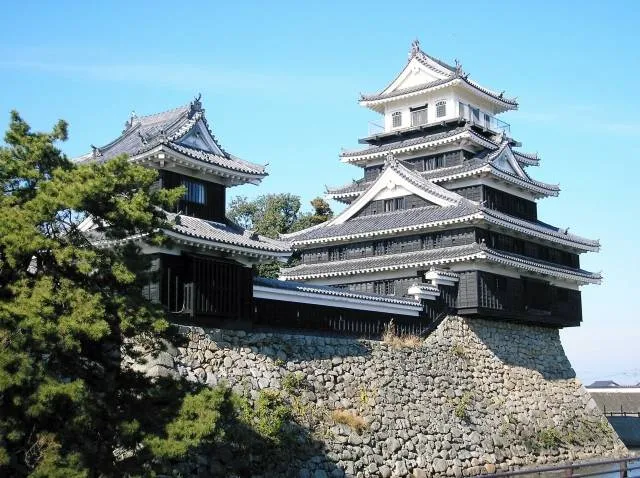 The Okudawara family continued to live in the Nakatsu Castle for the next century during the Edo period. At the end of Edo period, Japan was forced to abandon the isolationist foreign policies and opened its borders. The Meiji era marked the rapid modernization and westernization as well as a change in governmental policy from feudalism to imperialist. Masataka Okudawara contributed to the abolition of the old feudalist system of Japan in 1871. Fukuzawa Yukichi, a liberalist of the Meiji period, ordered the destruction of Nakatsu Castle to mark the end of the old system. A few years later in 1877, the palace was burned down in the Satsuma Rebellion.
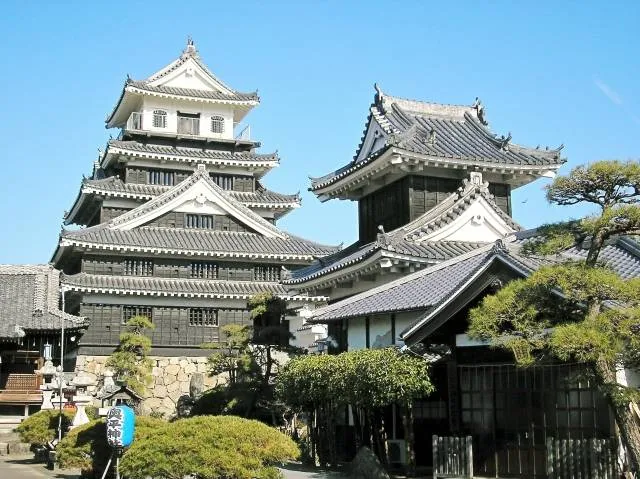 The castle was rebuilt in 1964 after World War 2 when the former Okudaira family gained a power of the region and collected donations to rebuild the castle. In 2011, the Museum of Okudaira was established within the castle. In the museum, weapons and armory used during battle are on display.
By visiting the castle, you will be able to gain an appreciation of Japanese culture and architecture.
A walk along the castle town
How to visit?
Address:Honmaru, Ninocho, Nakatsu, Oita 871-0050 Tel:+81 979-22-3651By car: From Kyushu motorway from East Kokura IC, take the National highway route 10 to the Prefectural highway route 108 to get to Nakatsu Park From the Usabeppu road take the Usa IC to the National highway route 10 then get on hte Prefectural highway route 23 to get to Nakatsu ParkBy train:
Take the JR Nippou main line and get off at Nakatsu Station, it will take 15 minutes from the station by feet
Arts and Culture of Nakatsu City
Japanese Traditional Umbrella
“Shuka” is a shop that sells Japanese traditional umbrellas. During the Edo period, the locals used umbrellas widely. However, since usage declined, it is now the only Japanese traditional umbrella shop in the Kyushu region. In 2003, the production of the umbrella was halted because of low demand and the aging of the craftsman. Afterwards, 8 volunteers took on the challenge to revive the Japanese umbrella workshop. The preservation of the umbrella’s intricate design is also a piece of Japanese art and culture.
How to visit?
Address:901-1 Tkakajyo-machi Nakatsu City, Oita, 8710066 Tel:+81 979-23-1820Straight 300m from Nakatsu Station to the north
Reference
http://www.nakatsujyo.jp/
http://shu-ka.jp/
http://en.visit-oita.jp/spots/detail/4697