Knowing what to do when an earthquake occurs and being familiar with your local areas will help you survive from natural disasters in Japan. This article introduces you tips and preparations to stay safe when a natural disaster occurs.
Summary
Earthquakes frequently occur in Japan due to its location and where several continental and oceanic plates meet. When earthquakes occur under the sea floor, they unleash tsunamis which are often more devastating than the quake itself. Knowing what to do when an earthquake occurs and being familiar with your local areas will help you survive from natural disasters in Japan.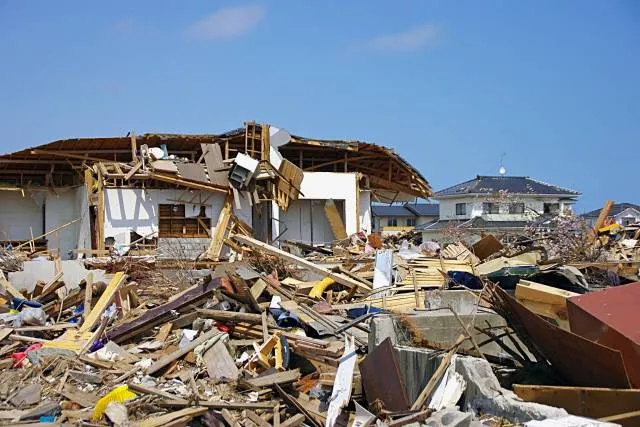 Earthquakes are one of the most common disasters in Japan and are virtually impossible to predict. They can occur at any time of year and without warning. Every household should keep a survival kit with a flashlight, a radio, a first aid kit and enough food and water to last for a few days. Avoid placing heavy objects in places where they could easily fall during an earthquake and cause injury or block exits. Have a fire extinguisher. Familiarize yourself with the designated evacuation area in your neighborhood. It is highly recommended to familiarize yourself with all the evacuation procedures when your inside or outside of a home.
In Case You Are Inside
 It is highly recommended to remain calm and in control when experiencing an earthquake within a building. Windows, facades and architectural details are often the first parts of the building to collapse. Also, shaking can be so strong that you will not be able to move far without falling, plus objects may fall or be thrown at you that you do not expect. Injuries can be avoided by following these simple and helpful hints when evacuating from a building.
Ensure you do the following if you are indoors during an earthquake:
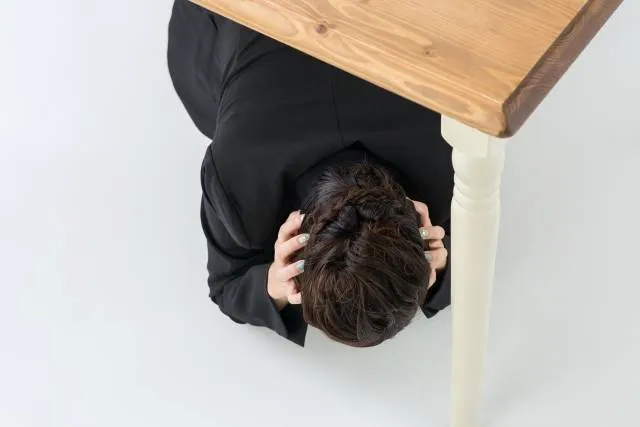
- DROP to the ground; take COVER by getting under a sturdy table or other piece of furniture; and HOLD ON until the shaking stops. If there isn’t a table or desk near you, cover your face and head with your arms and crouch in an inside corner of the building.
- Stay away from glass, windows, outside doors and walls, and anything that could fall, such as lighting fixtures or furniture.
- Try to avoid using an elevator during an earthquake, but case your stuck in one during an event, press the emergency button for help or evacuate immediately at the closest building level.
- If you are in the bathroom or toilet, stay there until the earthquake stops. Keep yourself safe and secure when leaving leaving the premises once its clear to leave. Covering your head with an object like a towel is highly recommended.
- Don’t panic and be mindful of people around you.
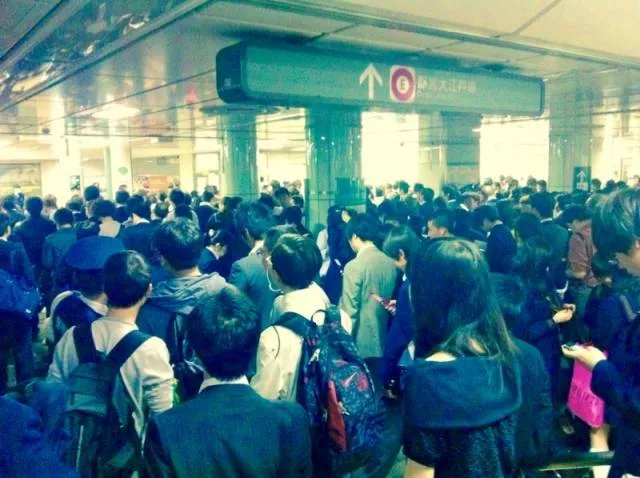
- If your unable to move because your in a crowded area, crouch and wait until the earthquake stops.
※If you are in a building that could collapse Secure a clear path to evacuate if your in a building that could potentially collapse.
※Be mindful of emergency exits when staying in a hotel.
In Case You Are Outside
 Being outside and near the exterior walls of a building is the most dangerous place to be during an earthquake. Windows, facades and architectural details are often the first parts of the building to collapse. Also, shaking can be so strong that you will not be able to move far without falling, and objects may fall or be thrown at you.
- Be careful not to collide into the person beside you, as you may have people falling to the ground. If you're sitting down, you'll want to protect your head with your bag etc., and if you're standing, you should get down low.
- If you're at a station, protect yourself from falling objects, and move to a nearby pillar so you don't fall from the platform. If it's too crowded to move around, you should crouch down and wait for the shaking to stop. If you're on a train, it will stop if a strong shock is felt.
- Protect yourself from falling objects, be careful of collapsing buildings, and evacuate to a safe open place, such as a park. If you don't have enough time to get to an open space, run inside a relatively new, reinforced concrete, earthquake-resistant building.
※ . If you protect your head with a magazine or a bag, you might be able to prevent a fatal injury. If you ever feel the ground shaking, make protecting your head your priority.
※ If you are in a moving automobile, stop as quickly and safely as possible. Move your car to the shoulder or curb, away from utility poles, overhead wires, and under- or overpasses. Stay in the car and set the parking brake. Turn on the radio for emergency broadcast information. A car may jiggle violently on its springs, but it is a good place to stay until the shaking stops.
※If you are in the ocean, go to the land and leave the ocean as far away as possible. Go toward a higher place.
Evacuation
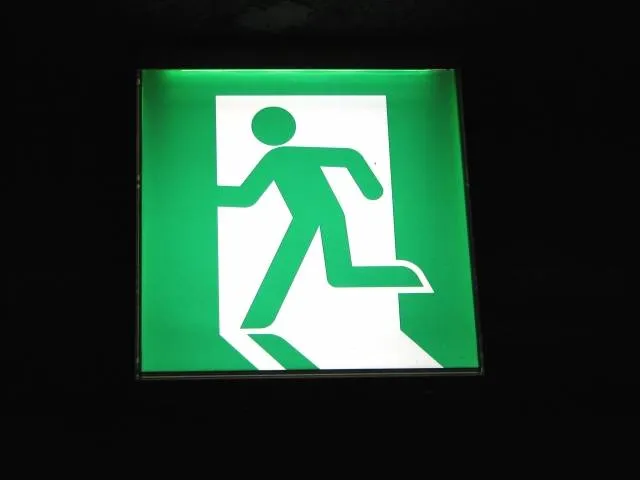 When there is an earthquake or other disaster in Japan, it is always recommended to gather at a designated evacuation spot and most importantly remain calm. However, there are times that it's safer to wait for the instructions of staff or other people around you before evacuating. Here are some helpful hints to evacuate safely.
● examine your surroundings and situation
● evacuate to the nearest evacuation site.
● If there are police, follow their directions
After Evacuating To An Evacuation Site
 Even if you can evacuate and find shelter, the process of being safe and secure is almost complete. Make sure to follow the steps below.
● Leave a message online with the disaster message call service
● Correct information About Secondary Disaster
● Secure your food and drink supplies
● Stay calm and conserve your energy
● Inform friends and family that you are ok through social network services
Secondary Disaster Such As Fire And Tsunami
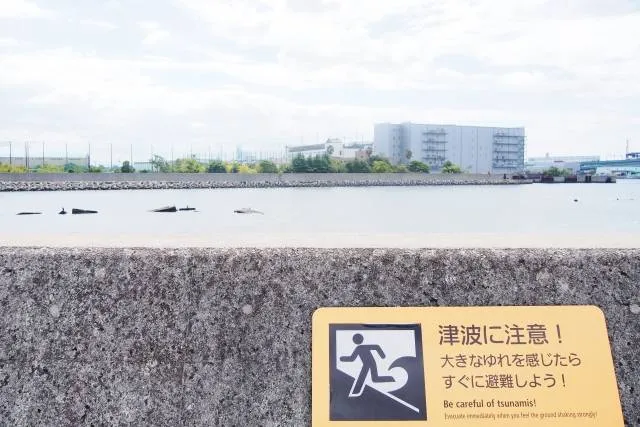 After earthquakes, secondary disaster could occur. Secondary disasters can occur after Earthquakes. Here are 4 main examples to be mindful of.
Tsunami: Both weak and strong earthquakes can cause Tsunami. Large waves caused by the Tsunami can destroy huge areas of land, as evident by devastating Tsunami’s Japan experienced in 2011.
Flooding: Tsunami can cause flooding after the Tsunami waves reach the land. The flooding can destroy houses in lowland areas.
Landslides: When earthquakes occur on areas with steep slopes, many times the soil slips causing landslides. Furthermore, ashen debris flows caused by earthquakes can also trigger mass movement of soil which can cover homes in nearby towns.
Fires: often associated with broken electrical and gas lines, Fires are one of the common side effects of earthquakes.
What To Do When A Secondary Disaster Occurs
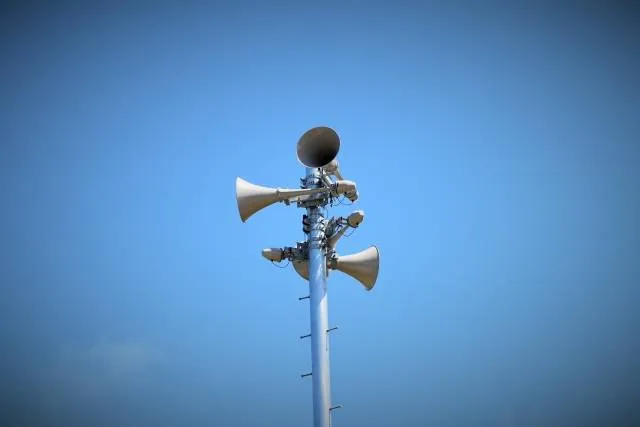
● In the areas located near oceans, there are systems such as sirens that warn people of incoming Tsunamis. Once you hear the siren, evacuate to a higher place as soon as possible.
● If there is flooding, make sure to go to not a far place but a higher place.If you don’t have enough time, find a not wooden building but a concrete building and go up the highest floor.
● Tsunami can happen several times after an earthquake, so until the Tsunami alarm is removed, do not go near the coast.
Other Emergency Situations
 ● Call 119 for an ambulance (its highly suggested to only use this number for emergencies only)
● Ask people around you for help. Find and press an emergency button for a rescue if you are locked in a place such as an elevator.
● Use an emergency service online service, registration and notification board, or call for safety information to contact your family and acquaintance.
● Communicate via online social media platforms such as twitter, Instagram and Facebook to send out an sos message for help.
Preparation Before Your Trip
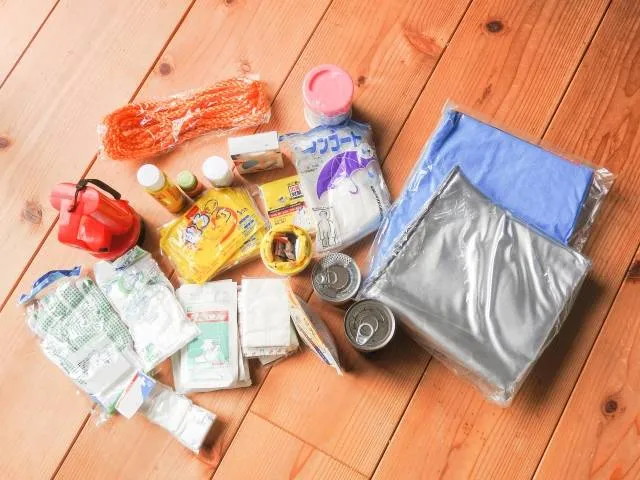 ※You shouldn’t consider natural disasters as someone’s problem. You cannot predict when a natural disaster occurs and involve yourself. Before you travel, it is important to learn and prepare for an emergency situation.
● Learn how to use disaster message dials
● Find the closest evacuation sites from your hotel or place of stay
● Familiarize yourself of where your traveling to and all surrounding cities/areas
● Pack some survival kits in case of emergency
● Prepare a note of emergency contacts
● Purchase appropriate Travel Insurance your covered and protected.
● Tell your family and friends where your traveling to
Convenient Tools For An Emergency Situation
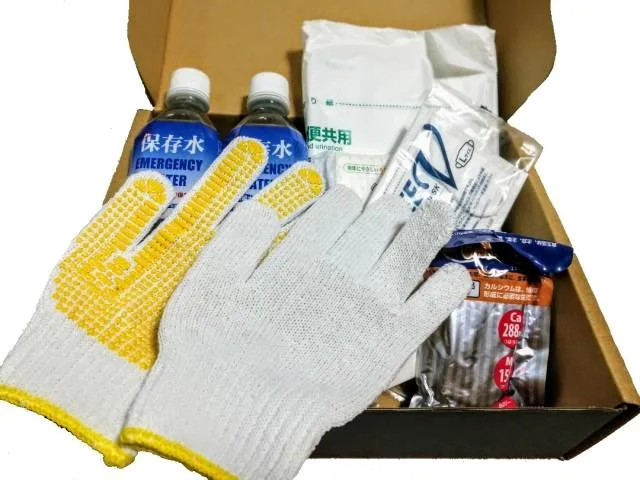 ● High calorie snacks such as chocolates
● A bottle drink
● LED light (a small type)
● Portable mobile battery
● Protections against cold
● A Mask
● Plastic bags
※Load a first aid kit and survival kits on a car or a motorbike
※Other simple emergency kit is useful as well
Insurance
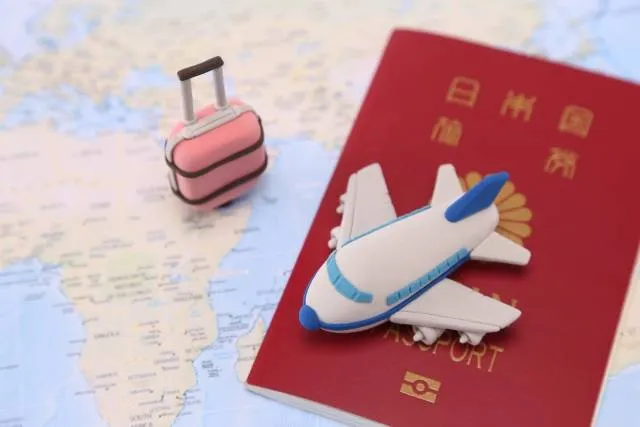 Having the best insurance policy can save you money in the long run, plus provide piece of mind when protecting your health and wellbeing. It’s important to know what is included and what is not included in your insurance. Most domestic travel accident insurance covers you for injuries and loss of your personal belongings caused by earthquakes and Tsunami. Even if your credit card has a basic travel insurance, it doesn’t hurt to have another policy that will provide the ultimate protection for your wellbeing and safety. Most international travel insurance cover the damage caused by an earthquake during an international trip, but unfortunately Japan is not included for international coverage. Of course, getting an insurance is an optional, but having domestic travel insurance on your next trip to Japan will compensate you for any damages caused by a natural disaster.
Information Network In Case Of A Disaster
 When traveling abroad it is important to find and receive important updates relating to natural disasters. In the case of an emergency, you obtain information from the following options:-
- JNTO(Japan National Tourism Organization)
JNTO provides a website site for travelers from abroad to follow updates on natural disasters happening throughout Japan. Information website will be provided in English and several other languages too.
Official Website:http://www.jnto.go.jp/eng/
Contact:03-3201-3331, or (+81)3-3201-3331(International phone call)
※Languages are available in Japanese, English, Chinese, and Korean.
Calls from 5:00PM until 9:00AM are only available in Japanese and English
- Safety tips (App for smartphone)
A smart phone app for disaster information and emergency earthquakes information(available for iPhone・android)
※Language available in Japanese, English, Chinese, and Korean
Download Page: Safety tips