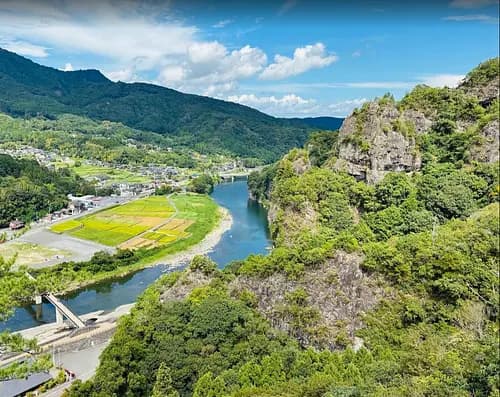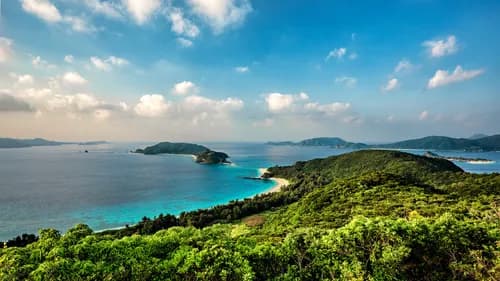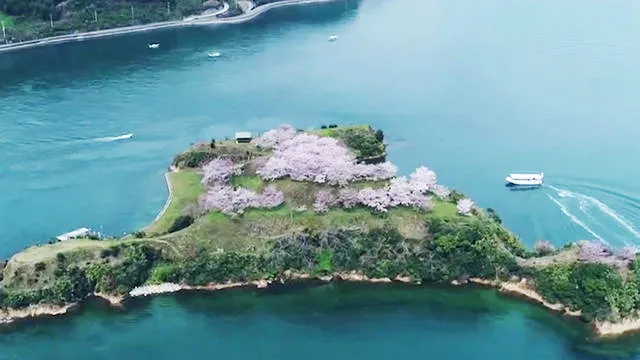
Noshima, Ehime is a small, uninhabited island located in the center of the beautiful Seto Inland Sea. It is a nationally designated historic site, with ruins of Murakami Kaizoku castle, a former home of the powerful Murakami Kaizoku, the largest Japanese pirate group, who used to control the Seto Inland Sea. The island turns pink with cherry blossoms in spring.Visitors can learn about the history of the Murakami Kaizoku, while enjoying the amazing scenery of the Noshima.
Facebook で見るNoshima, one of the Geiyo islands
Noshima, Ehime prefecture, one of the Geiyo islands in the center of the Seto Inland Sea, is an uninhabited island with beautiful cherry blossom trees. The Shimanami Kaido, a 60 km highway consisting of nine bridges that connects the largest Geiyo islands from Hiroshima prefecture to Ehime prefecture, is known for its breathtaking scenery and has become a popular cycling spot in recent years. Noshima,and other Geiyo islands, are a places where you can enjoy the beautiful scenery and learn about their interesting history, at the same time.
Why Noshima is a historic site
Noshima is a nationally designated historic site. It was once home to the Murakami Kaizoku, the most powerful and largest pirate group in Japanese history. When we say “pirate” we tend to think of the traditional western pirates or present day pirates that steal cargo or valuable items. That is not what the Murakami Kaizoku is known for. They were considered a navy more than a pirate group.
From the mid-14th century to the 15th century, the Murakami Kaizoku hijacked the Seto Inland Sea and offered protection to ships that needed to pass through the Sea. Since the waters of the Seto Inland Sea are shallow, the current is fast and dangerous. The Murakami Kaizoku used their expertise and knowledge to navigate the best sea routes and to control the overall sea traffic.
They also offered ships protection from pirates and other enemies along the way, all the while basing themselves on the Geiyo Islands. The residents of the area appreciated their services. The Murakami Kaizoku continued to offer their services until piracy was banned in the 16th century.
Noshima was one of the three islands that the Murakami Kaizoku lived in. The ruins of the Murakami Kaizoku Castle still remain on Noshima, and has been designated a national historical site. On Oshima, one of the largest Geiyo islands, the Murakami Suigun Museum introduces the Murakami Kaizoku’s history, lifestyle, and displays their armor, ancient documents, valuable belongings, weapons among other things. There are also scale models of boats that were used back in the day. The museum supplies costumes, if you want to dress up like a warrior. You can see Noshima from the museum’s 3rd floor but you can also go on sightseeing boats that depart from the museum to go near Noshima.
The guides take passengers to the islands close by, including Noshima, and actually demonstrate how the Murakami Kaizoku used to navigate the rapid current centuries ago, you also get an in depth history behind the islands in the Murakami Suigun Museum in Noshima.
Usually the boat tours are the only way you can get close to Noshima, but during cherry blossom season (usually late March to early April), there are ferries that make round trips to and fro Miyakubo port. If you want visit Noshima (and experience the thrilling current surrounding the island) and also see beautiful Japanese cherry trees, spring is the most recommended season to visit.
Keep in mind that other Geiyo islands are interesting places to visit as well. On Omishima, there is a shrine called the Oyamazumi jinja, where the Murakami Kaizoku used to pray for the safety of the ships on the Seto Inland Sea, and for good fortune.
On Innoshima, one of the other islands that the Murakami Kaizoku used to live in, you can have a fantastic view of the Seto Inland Sea from the top of Mount Shirataki There are approximately 500 Buddha statues each with different facial expressions there, all carved by the same man, Denroku Kashihara, in the 19th century.
Spring, a great time to visit
Why not visit the beautiful Seto Inland Sea when it is beautiful with cherry blossoms? A ferry ride is only 500 yen for adults, 250 yen for children. Many visitors say that once they go to Noshima for cherry blossoms, they want to come back again the next year.
If you don’t want to take a ferry, reserve a boat ride from the Murakami Suigun Museum to experience the thrilling current surrounding the islands. A boat ride is 1,200 yen for adults, 600 yen for children. If you are not up for ferries or boats, perhaps you can consider cycling up the Shimanami Kaido and take a glimpse of the island from a bridge. There are many types of bicycles available for rent. You can also consider hiking up Mount Shirataki and getting a fantastic view of the whole Seto Inland Sea. Experience beautiful scenery and a rich history, about good pirates.
How to visit?
The shortest way to go from Tokyo to Ehime prefecture is by air. Take a domestic flight from Haneda/Narita airport to Matsuyama (Ehime) airport (3 hours). Take the JR local line from Matsuyama airport to Imabari station (40 min). From Imabari station, it is a 10 minute car ride to Miyakubo port.Address: 2822-9 Miyakubo, Miyakubo-cho, Imabari, Ehime prefecture, 794-2203 (Miyakubo-cho Imabari Tourist Information Office)
TEL: +81-(0)897-74-1074
Reference list
http://www.go-shimanami.jp/download/imabari/imabari_en.pdf
https://sp.jorudan.co.jp/hanami/spot_1349.html
http://www.go-shimanami.jp/global/english/
http://museum.city.imabari.ehime.jp/suigun/
http://www.onomichiguide.com/mt-shirataki.html