ontent: Discover the fascinating magic of sake brewing at this sake Brewery tour near Tokyo, Japan. Try some delicious sake and find the perfect souvenir to take home.
Summary
Discover the fascinating magic of sake brewing at this sake Brewery tour near Tokyo, Japan. Try some delicious sake and find the perfect souvenir to take home. This article will introduce you to the mesmerizing world of sake brewing and the best place to experience it all in Tokyo!
What Is Japanese Sake?
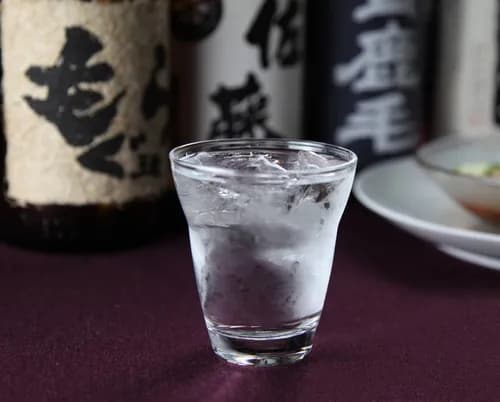
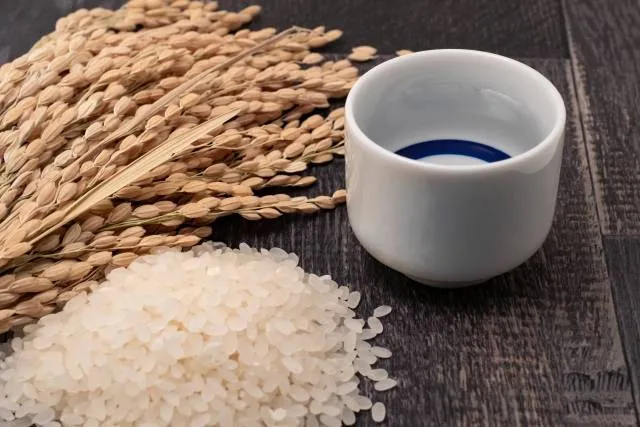 via www.photo-ac.comJapanese sake is a fermented beverage much like beer or wine, and has been made in Japan for over 1,800 years! However, unlike beer and wine it uses a unique “multiple parallel fermentation” process which can create light delicate, rich full bodied, and umami rich flavour profiles. Made simply from fermenting rice and water, but with a complicated brewing process, sake is becoming more and more popular around the world.
Unlike wine, sake as a general rule, is best fresh, and it is very delicate; light, heat and oxygen can cause degradation in a sake (meaning the same sake can taste differently depending how it has been handled!). sake however, does not have a sell by, or consume by date, so it will never “go bad”. Instead it has a bottling date; this is not the date when the sake was brewed, but the date it was put into the bottle. The newer this date is, the fresher the sake is and the closer it is to what the brewer intended to create!
Sakagura (Sake Brewery) – Where The Magic Happens
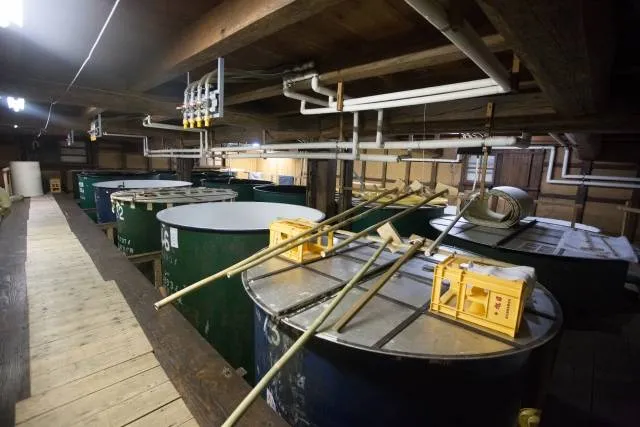 via www.photo-ac.comSakagura (酒蔵) literally translates to sake brewery. A Sakagura is a special place steeped in the history, tradition and rituals of sake brewing. Whilst still today these breweries are active in making some of the finest sake, you can find many are almost part museum and always worth a visit!
A Plethora Of Breweries
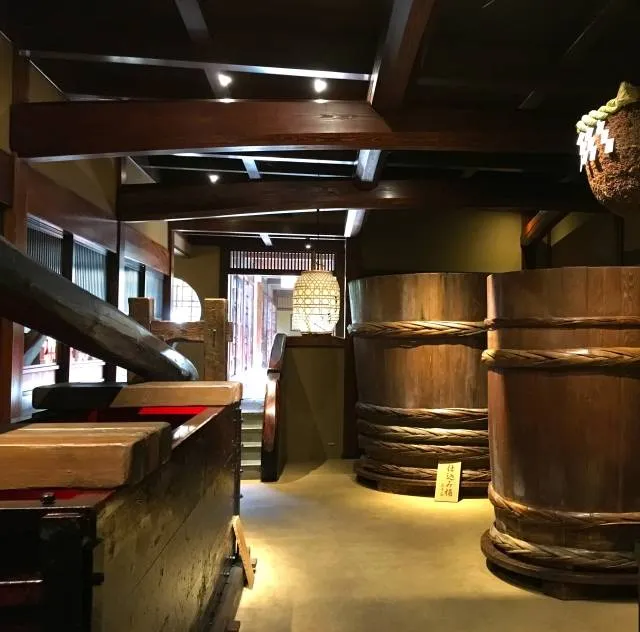 via www.photo-ac.comThere are over 1,600 sake breweries in Japan producing literally thousands of types of sakes. There is every type of sake you can imagine, from crisp clean dry sake to sweet full-bodied sake, sparkling sake to unpasteurized, unfiltered, undiluted and everything in between. The ake world, similar to the craft beer, wine, or spirits world, is awash with various types like Junmai, Dai-Ginjo, Honjozo and talk about rice polishing rates. It is therefore not surprising that it can be a little bit daunting for a newcomer who has just fell in love with sake at their local Japanese restaurant to visit and learn about the sake brewing process.
So rather than try to understand the entire sake world in one go, it might be better to focus in detail on just one or two breweries. The following two breweries have been handpicked because of their unique histories and the amazing sake they produce.
Sawanoi Sake From The Ozawa Brewery
The first brewery is the Ozawa Brewery who produce the Sawanoi Sake brand. With over 300 years of history it is not hard to say they know their sake! Located in Oume City, around 90 minutes west of Tokyo, they turn the pristine waters of the Tama River into the most delicious sake using traditional methods. While this kind of craft sake is more expensive as it is not “mass produced” you can really taste the quality because of the time and care put into producing their sake.
Koh
Sawanoi’s ultimate grade sake. This Dai-Ginjo (Sake polished to at least 50%) is made with the highest-grade brewing rice, Yamada Nishiki, polished all the way down to 35%, so only the very centre of the grain remains. This traditionally produced sake pushes sake brewing techniques to their limit to deliver a brilliant flowery aroma, with a slightly dry taste.
Tokyo Kurabito
Tokyo Kurabito is a Junmai Ginjo grade sake meaning the rice is polished to 55% of its original size. Most interesting is that this sake is produced using the most traditional of brewing methods, the Kimoto method. This is a painstaking natural process for producing the yeast which is used to turn the glucose from the rice into alcohol. This nearly doubles the length of the production but gives this sake a deeper more complex character with a smooth taste and subtle acidity.
Ozawa Brewery
Address: 2-770 Sawai, Oume, Tokyo 198-0172
Tel: +81 428-78-8215
http://www.sawanoi-sake.com/en
Tamajiman Sake From The Ishikawa Brewery
The second brewery is the Ishikawa Brewery who produce the Tamajiman Sake brand. Founded in 1863, making it relatively young in the world of sake breweries, the brewery was originally located in Ogawa Village on the banks of the Tama River. However, in 1881 they built a new brewery in Kumagawa and by 1883 they had finished their relocation to this their present-day site.
Using entirely locally sourced ingredients Tamajiman Sake (which means “the pride of Tama”) is carefully produced using traditional techniques.
Daiginjo Shizuku
This is the limited production ultimate grade Tamajiman Sake. It uses the painstaking time consuming method of drip filtering to separate the sake from the rice mash. The mash is hung in bags and the most delicious sake is literally collected drip by drip underneath. This sake is also an undiluted “Genshu” meaning no water was added and is 17 - 18% alcohol. This gives it a rich fruity aroma with a medium dry taste, it is even recommended to drink this from a wine glass to enhance the aroma.
Junmai Muroka
As a Junmai this sake is on the other end of the spectrum with a rice polishing rate of only 70%. It is special as it does not use the usual carbon filtering making it a “Muroka”. By not polishing the rice so much this production method really draws out all the umami and flavour of the rice. This sake has repeatedly won awards as one of the best sakes in Japan to be enjoyed warm.Ishikawa Brewery
Address: 1 Kumagawa, Fussa, Tokyo 197-0003
Tel: +81 42-553-0100
http://tamajiman.co.jp/en/
Witness The Magic Of Sake Brewing
It is possible to go on a tour of these two breweries and learn more about the amazing world of sake. Afterwards, you can impress all of your friends with your Sake knowledge next time you have a Sushi party or go to a Japanese restaurant. This unique experience will be the best souvenir you can bring home from your time in Japan!
Reference List
http://tamajiman.co.jp/en/
http://www.sawanoi-sake.com/en
https://kurand.jp/en/system/