content: From its humble beginnings in religious rituals to a modern staple of Japanese culture, sake has grown into a multi-billion dollar industry worldwide. One small factory in Hadano City plays a part in that growth.
Summary
From its humble beginnings in religious rituals to a modern staple of Japanese culture, sake has grown into a multi-billion dollar industry worldwide. One small factory in Hadano City plays a part in that growth. 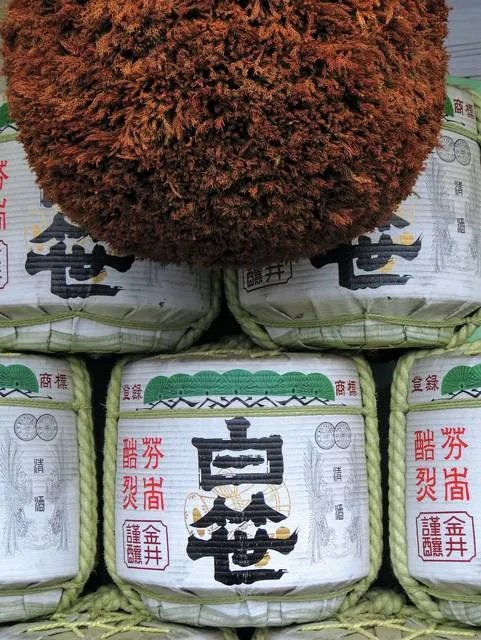
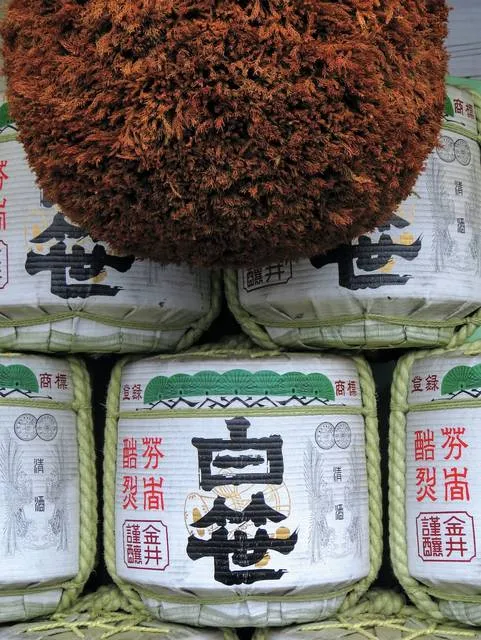
A Wakabayashi hangs at the entrance of Kanei Shuzou to announce the sake is ready to drink.
Out of the Mouths of Women
Humans are hardwired to consume alcohol. Our ancient ancestors brewed alcoholic drinks before they invented writing, and religious rituals across time have included alcohol as a means of speaking with the gods. One sociologist has even jokingly said that alcohol is so important to humanity that our species should be called Homo imbibens (drinking man).
It is not surprising, then, that the technique for brewing alcohol from rice, known as sake, was an early development of Japanese society. What is surprising was the technique. Early versions of sake were made by women shamans of the Shinto religion, known as Miko, who chewed cooked rice into a mash that they spit into a container. When mixed with more cooked rice and water, enzymes from saliva in the mash broke down the carbohydrates to sugar. When exposed to the natural yeasts in the air, these sugars turned to alcohol. This technique, known as kuchikami, produced a weak drink with 7% alcohol. 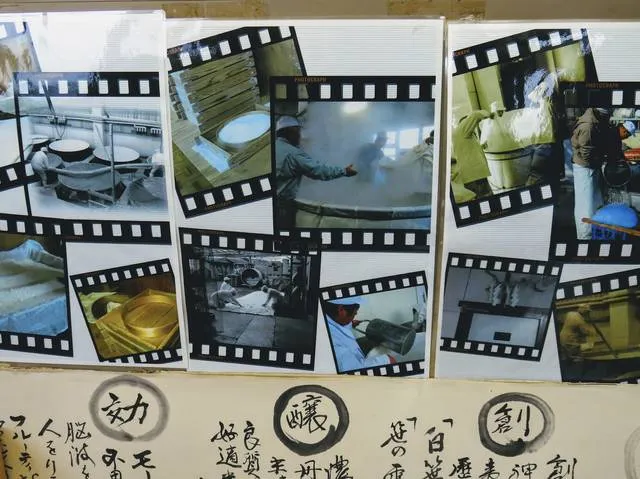
A photo montage of the sake brewing process greets visitors to the Kanei Shuzo brewery.
Sake was so beloved, new techniques, styles and tastes were developed over the ensuing 1300 years to the multi-billion dollar industry it is today. Until the Meiji Restoration, the government and religious institutions served as the main centers of production. Then, in 1868, regular Japanese citizens were permitted to operate breweries. And they did. Within a year, people across Japan started about 30,000 breweries.
A Sake Boom
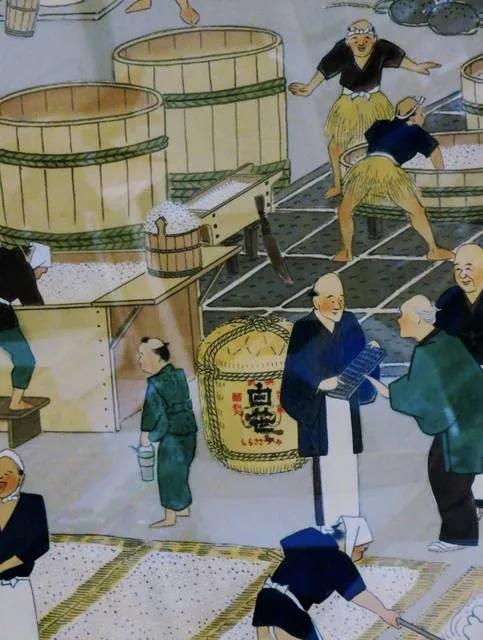
Detail of a painting created depicting the traditional sake brewing process at Kanei Shuzou.
Kanei Shuzou, in the small city of Hadano, is one of the breweries that started in 1868, and its first sake product used the kuchikami technique. Although many of the initial 30,000 breweries were founded by wealthy landowners who had rice remaining at the end of the season, Kanei Shuzo was founded by the current owner’s great grandmother, Riki Sano. She understood how the new law was an opportunity for her family, and the kuchikami technique provided an easy way to start her business since it required little initial capital outlay. Today, Kanei Shuzou offers a wide range of handcrafted sake, but it is still a family business, run by Hiroyuki Sano. The brewery has outlived four others that once graced the charming city in Kanagawa-ken that is officially home to Japan’s best water.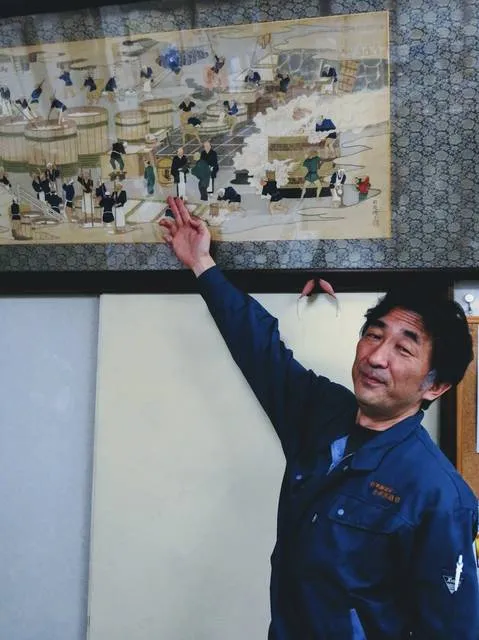
Hiroyuki Sano shows off a painting that was created to show the traditional brewing process of Kanei Shuzou.
What Makes Delicious Sake?
That water is key to Kanei Shuzou’s success.
“There are many factors that contribute to delicious sake,” said Sano, “but good water is of utmost importance. Hadano’s water has been ranked number one in the entire country, so we really have a good foundation to start with.”
Subsequent generations of sons managed the business, and they pride themselves on maintaining the traditional methods of sake brewing—although the kuchikami technique is no longer used— while blending modern technology and changing tastes into their products. That blending is sometimes planned, but sometimes they stumble upon a new product by accident.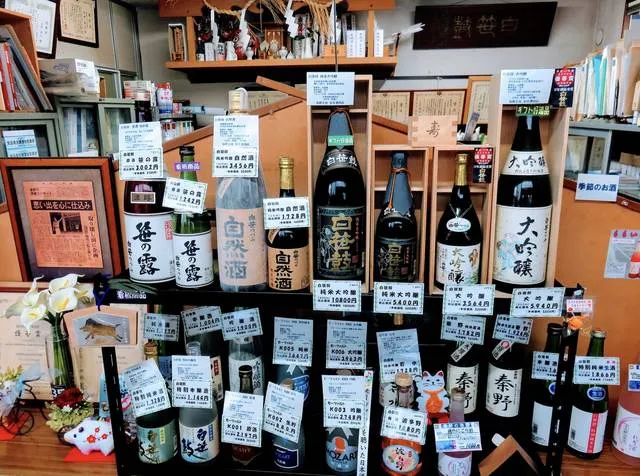
Kanei Shuzou’s array of products.
Mozart sake, for example, is one of their most popular products, but it came about when the factory moved to a larger location and management installed speakers for easier communication between the office and those in the factory. The brewer often spent hours in solitude as he worked his magic, so for a little relief they began piping classical music through the speakers. This happened to be at the same time that research was showing that plants grow better when exposed to music. What better way to improve their sake than to play music, therefore, during the most important stage of development? Mozart’s music is light, happy and energetic, so to this day, Mozart is piped into the nursery while the rice mash is fermenting. Many of the company’s customers swear the result is a sake that makes them feel happy and energetic.
Adapting to Modern Audiences
That same open-mindedness has resulted in a few products aimed at a new generation of drinkers. Kanei Shuzou recently released a pink sake with a lighter alcohol content for women. Another sake contains a double cherry blossom that floats in the bottle, a symbol of strength and longevity preserved through the gentle flavor of the sake. Perhaps with a nod to Japanese pop culture and its influence on introducing Japan’s products to the world, they recently created seishuinari, a clear sake with an an anime character on the label in the hopes that more young people will choose sake over other types of alcohol. 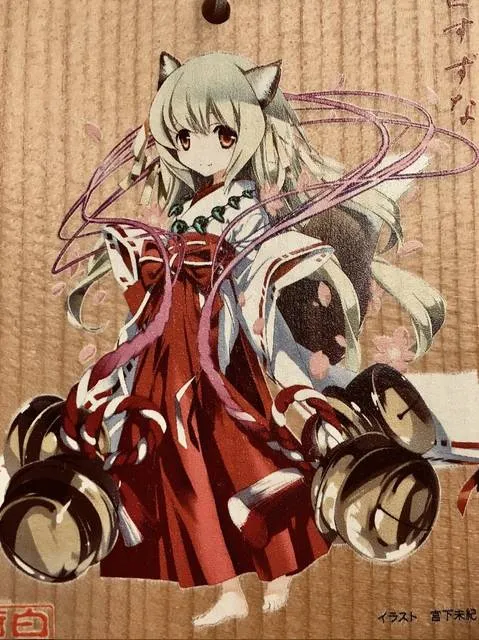
Hadano’s anime character can be found on the seishuinari sake as well as on wooden prayer tablets (called ema).
And that is really all Sano wishes for.
“Sake is my life. It’s part of my family, so when I meet someone who says they enjoy drinking our brands, I am happy to my core.”
I’m sure his great grandmother would be, too.