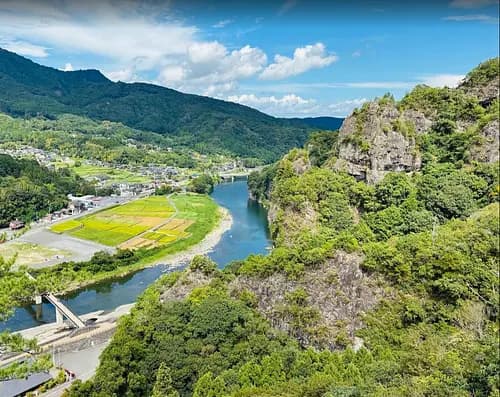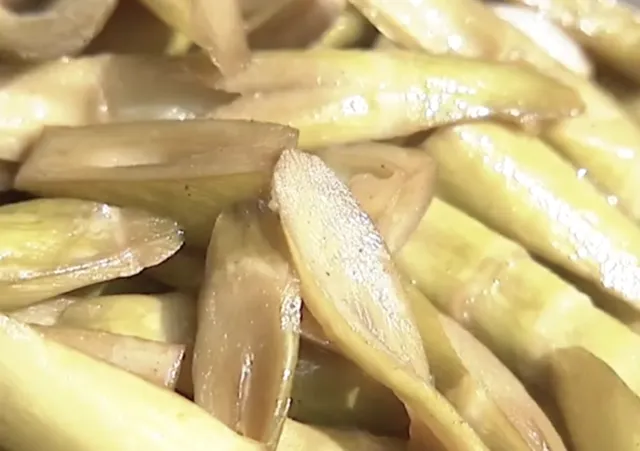
“Shihouchiku” bamboo shoots are a special product only available in Ukiha City in Fukuoka and other certain areas in southern part of Japan. The Chinese-origin bamboo shoots can be translated as “square stem bamboo” due to their interesting square-looking cross section. Shihouchiku are available for only short period from late September to early November, so calling all foodies inside and outside Japan. Make sure you try this limited seasonal delicacy during this limited period of Autumn!
Summary
“Shihouchiku” bamboo shoots are a special product only available in Ukiha City in Fukuoka and other certain areas in southern part of Japan. The Chinese-origin bamboo shoots can be translated as “square stem bamboo” due to their interesting square-looking cross section. Shihouchiku are available for only short period from late September to early November, so calling all foodies inside and outside Japan. Make sure you try this limited seasonal delicacy during this limited period of Autumn!
Facebook で見るWhat Are “Shihochiku” Square Stem Bamboo?
A Unique kind of bamboo
Shihouchiku is bamboo with its origin in China. It is known for and named after its distinctive square looking cross section shape of the stem. These bamboo shoots are different from other kinds as they come in season in autumn and winter, whereas others do in spring. As they cannot grow in cold climates, they are produced only in Ukiha City in Fukuoka Prefecture and other limited areas in the south of Japan.
Innovative boiling method for wider distribution
Shihouchiku bamboo shoots have bitter taste when they are raw so they need to be boiled for about 10 minutes to remove this astringency before using for cooking. The skin needs to be kept on when boiling as the stem discolors from green to purple, and they are easily damaged if boiled without the skin. Due to how it discolors, it was always difficult to distribute them outside of the producing area, so they were consumed almost entirely in that area until recently. However, thanks to an innovative way of boiling Shihouchiku bamboo shoots (boiling with skin on) it is possible to keep their bright green fresh looking color. Therefore, today they are distributed in brine to preserve them to places outside of the producing area.
Rare autumn delicacy
When they are boiled and the bitter taste is removed, you can enjoy their crunchy texture and slight bitterness. Nationally known as a rare seasonal delicacy, Shihouchiku bamboo shoots are often used in high end Japanese style restaurants. They taste great especially when stir-fried, mixed with rice, used in sushi, salads or in tempura (a type of lightly fried Japanese food).
Best Ways to Enjoy the Taste of Autumn
Bamboo shoots and rice
This is a simple, yet very comforting autumn staple in Ukiha City. Shihouchiku bamboo shoots’ gentle aroma is maximized when minimum seasoning is added to the dish. This can even be enjoyed in onigiri riceball to take with you on your travels!
Stir-fried
Shihouchiku bamboo shoots go well with any meat and vegetables, and give the great flavor of autumn to a dish. They can be used for a wide variety of dishes such as pasta because its flavor does not interfere other ingredients.
Let’s Try Harvesting Shihochiku Bamboo Shoots!
A local farm Bed & Breakfast “Baba” is hosting a bamboo shoots harvest workshop on Saturday, October 13th 2018. Participants can experience harvesting the rare Shihochiku bamboo shoots and boiling processes with the assistance of staff at the Bed & Breakfast. After the harvest, you can enjoy a delicious lunch using the fresh bamboo shoots you just harvested! It is such a rare opportunity when you are traveling in Japan – to actually harvest such rare delicious bamboo shoots yourself!
You can make a reservation for the workshop in the following link. The maximum number of participants is 15 people, so it’s first come first serve!
https://ukihaco.jp/tourism/292/
Please see “How to Visit?” section below for directions to the farm Bed & Breakfast.
Don’t worry if you are not so keen for the workshop! You can buy fresh Shihouchiku bamboo shoots in a local farm shop called “Michinoeki Ukiha” in Ukiha City. There are also other fresh fruits and vegetables, and local products in the farm shop. Its restaurant is popular for dishes using only locally sourced fresh products. Why not make a stop at this farm shop during your stay in Fukuoka?
Please see “How to Visit?” section below for directions to the farm shop.
Traditional Thatched Houses of the Hirakawa Family
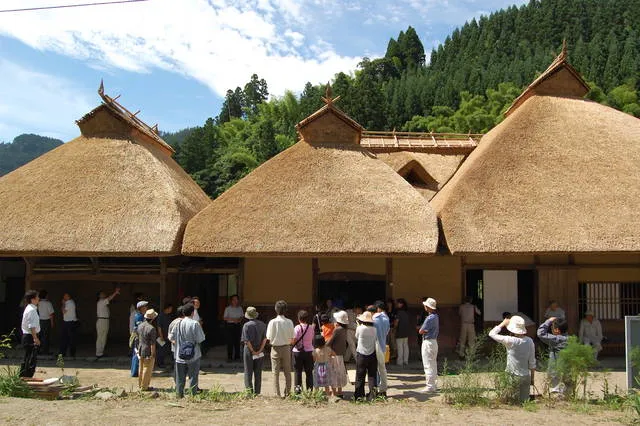 Another unique attraction of Ukiha City is the Hirakawa Family Housing. It is the traditional housing believed to have been first built in late 18 century, and designated as an Important Cultural Property by the Japanese government. The Hirakawa Family Housing is built with a method called the“kudo” style,“Kudo”is a traditional Japanese cooking stove, due to the similar design of the stove, the house was named. This style of building is seen particularly through this area, and the Hirakawa Family Housing is one of the biggest of its kind. Its beautiful thatched roofs are very rare to see in Japan today and you will feel as if you are travelling back in time.
The house is usually open for viewing of the exterior, however, advanced booking is required for viewing of the interior as the house is still used as a residential building. When you visit Ukiha City, why don’t you also enjoy the charms of Japan’s countryside?
How to Visit?
From Tokyo to Fukuoka
It takes about 75 – 120 minutes by plane from Narita or Haneda Airport in Tokyo to Fukuoka Airport.Farm Bed & Breakfast “Baba” (Bamboo shoots harvest workshop)Car
It is about 25 minutes from Haki Interchange on Oita Expressway.
Train
Get off at Ukiha Station on JR Jyudai Main Line, and take a taxi from there. It is about a 20-minute taxi ride.
Address: 1344 Ukihamachi Tagomori, Ukiha-shi, Fukuoka-ken 839-1414 Japan
Tel: +81 943-77-6616
URL: http://minsyukubaba.com/Farm Shop “Michinoeki Ukiha”Car: It is about 15 minutes from Haki Interchange on Oita Expressway.
Train: Get off at Chikugo-Oishi Station on JR Jyudai Main Line, and take a taxi from there. It is about a 10-minute taxi ride.
Address: 729-2 Ukihamachi Yamakita, Ukiha-shi, Fukuoka-ken 839-1408 Japan
Tel: +81 943-74-3939
URL: http://www.michinoeki-ukiha.com/Hikarawa Family HousingWalking: It is about a 15-minute walk from Farm Bed & Breakfast “Baba”.
Car: It is about a 20-minute drive from JR Ukiha Station, or a 30-minute drive from Haki Interchange on Oita Expressway.
Address: 383-1 Ukihamachi Tagomori, Ukiha-shi, Fukuoka-ken 839-1414 Japan
Tel: +81 943-77-3378
Reference List
http://foodslink.jp/syokuzaihyakka/syun/vegitable/takenoko-shiho.htm
https://ukihaco.jp/tourism/292/
http://welcome-ukiha.jp/sp/tourist/no/000009