Shinjuku, one of the busiest areas in Tokyo, is a center of business, shopping, urban culture and night life. It is a must-go spot for first timers and regular visitors alike.
Summary
Shinjuku, one of the busiest areas in Tokyo, is a center of business, shopping, urban culture and night life. It is a must-go spot for first timers and regular visitors alike. The area accommodates all of your travel curiosities from bustling sky scrapers to nostalgic narrow streets full of little taverns. You can see a microcosm of Tokyo in Shinjuku!
What is Shinjuku and What to See
via www.photo-ac.com
Shinjuku at Glance
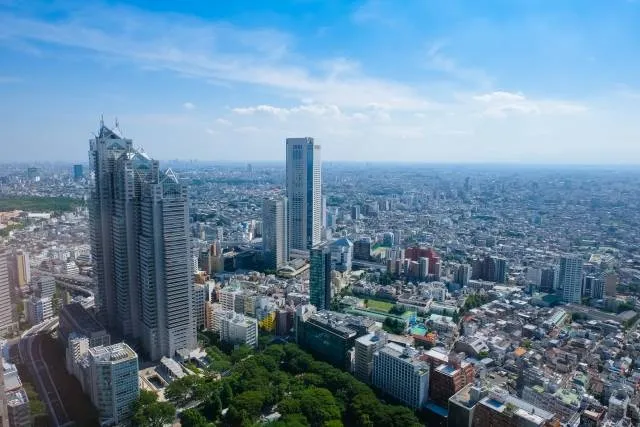
Shinjuku is a special ward of Tokyo and one of the busiest. It has a population of approximately 340,000 people with a population density of 47,960 people per sq mi (18,500 people per km²). It is a major commercial and administrative center and home to the world’s busiest railway station, Shinjuku Station with over 3.6 million passengers a day.
Major Attractions
via www.photo-ac.com
Metropolitan Government Office Building
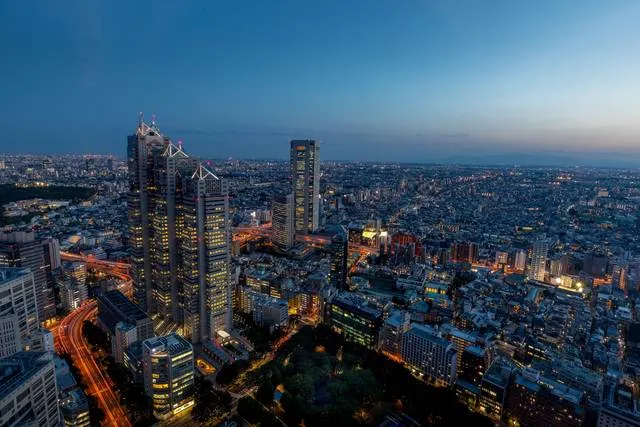
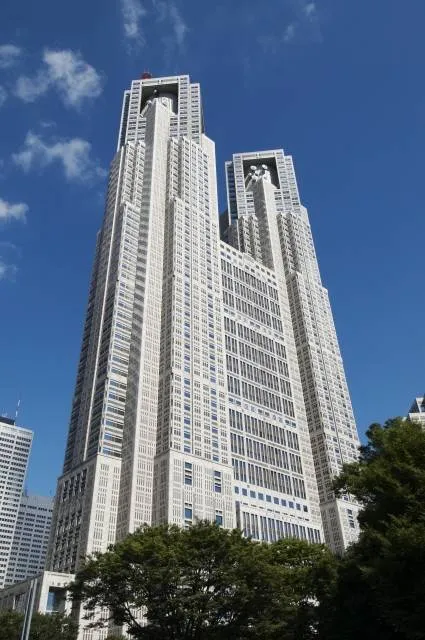
The Metropolitan Government Office Building is a good place to start your trip to Tokyo and Japan, or to just reacquaint yourself with the city. The 797 ft (243 m) tall building was the tallest building in Tokyo until 2007. Now it has slipped to 3rd place behind the Toranomon Hills at 255ft (838 m) and the Midtown Tower at 813ft (248 m). There is a tourist information center on the 2nd floor that can provide you with lots of information about Tokyo and various destinations across Japan. However, most visitors come to take in the views; there are two towers each with a free observation deck on the 45th floor at a height of 662 ft. (202 m). If the weather is good you can take in Mount Fuji, the Tokyo Skytree, Meiji Shrine and other local famous landmarks.
via unsplash.com
Kabukicho
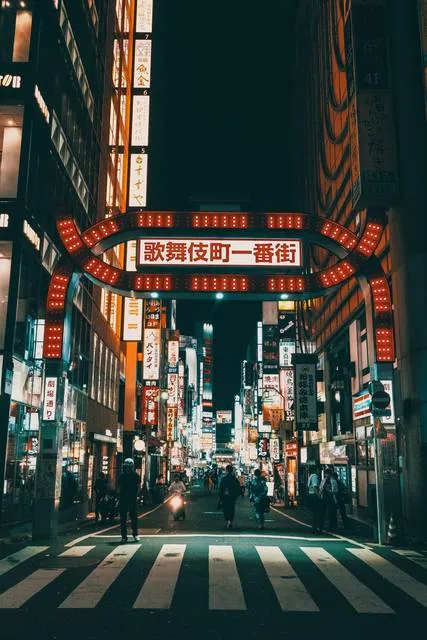
The Kabukicho District is the entertainment or “red light” district of Tokyo and there are almost countless bars, clubs and restaurants you can visit. Kabukicho is the town that never sleeps, and yet is perfectly safe any time of night or day. For many foreign tourists the brightly lit billboards and shops are an iconic image of modern Japan, and Kabukicho will not disappoint.
via www.photo-ac.com
Golden Gai
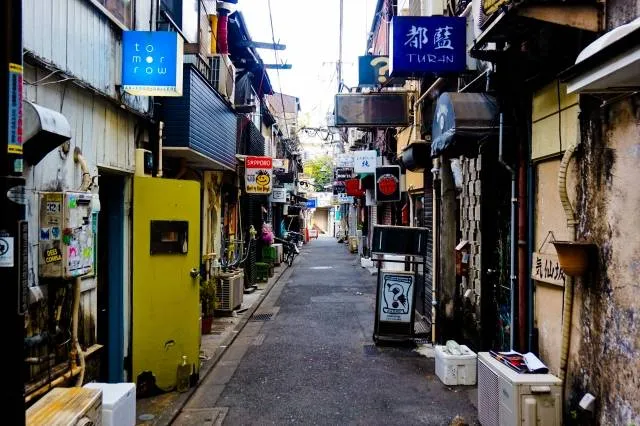
Golden Gai is a small area of Shinjuku, being no more than a few streets in any direction, but is definitely worth a visit for a glimpse into Japan’s past before the post war economic miracle when much of Tokyo was developed. There are 200 tiny bars, some with as few as 6 seats, one bar on the ground floor and one up a steep narrow set of stairs on the 2nd floor. Golden Gai is mostly asleep during the day, so one really needs to visit at night as most of the bars do not even open until 9 or 10pm.
via www.photo-ac.com
Hanazono Shrine
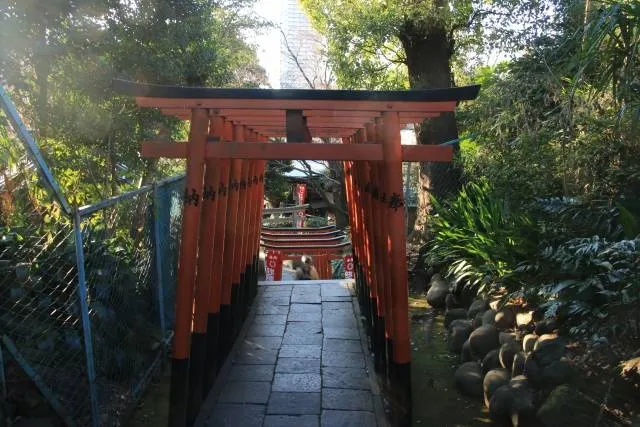
The Hanazono Shrine is an oasis of calm surrounded by the skyscrapers and hustle and bustle of Shinjuku. It was founded in the mid 17th century and is a shrine dedicated to Inari, a Shinto god of fertility and worldly success. Many people come here to pray for business success.
via www.photo-ac.com
Shinjuku Gyoen National Garden
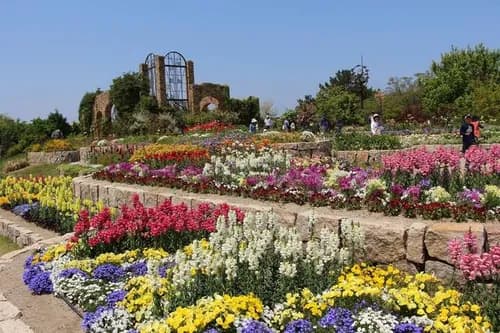
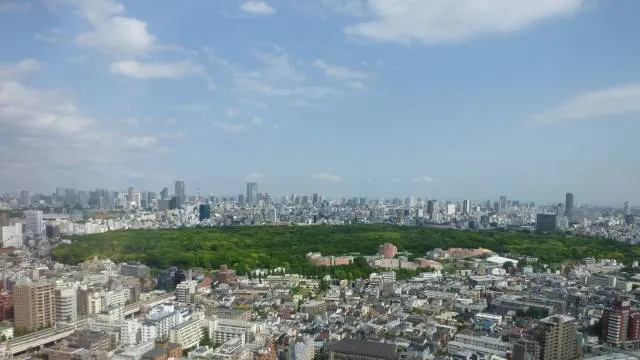
Just a short walk from Shinjuku Station is Shinjuku Gyoen, beloved by Tokyoites and visitors alike and allowing you to enjoy nature’s charms even in the middle of busy Tokyo. There are a variety of styles of gardens to enjoy from the traditional Japanese gardens, to English and French style gardens. There is even a greenhouse with many tropical and subtropical plants and fauna. With over 1,000 cherry trees, this is one of Tokyo’s most popular Hanami (Cherry Blossom viewing party) spots. The changing of the leaves in autumn is also a popular time of year to visit, but the Shinjuku Gyoen National Garden is worth a visit any time of the year. Entrance to Shinjuku Gyoen is a nominal fee of 200 yen for adults and 50 yen for children.
History
via www.photo-ac.com
Development after the earthquake
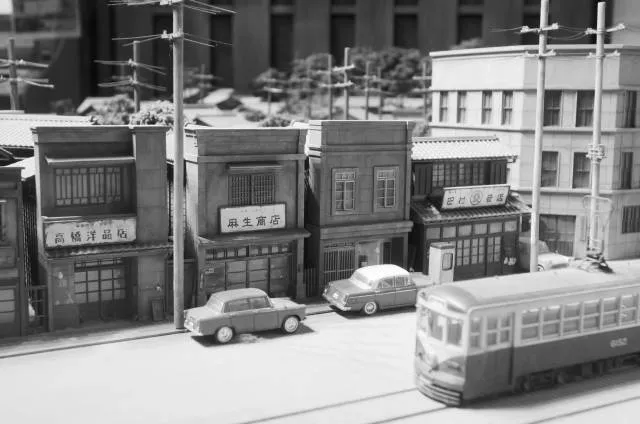
In 1923, the Great Kanto earthquake shook the whole Tokyo, however due to its relatively strong foundations the damage to the Shinjuku area was not as devastating as in other areas. Therefore, Shinjuku began to flourish as a busy business and shopping district as the population around its terminal station grew drastically.
After the way to the present day
Even in postwar days, Shinjuku continued to attract people and has always been an epicenter of urban culture. Since the 60s, city development plans were implemented and many skyscrapers appeared like bamboo shoots after the rain, creating today’s landscape of towers reaching for the sky.
Transportation
via www.photo-ac.com
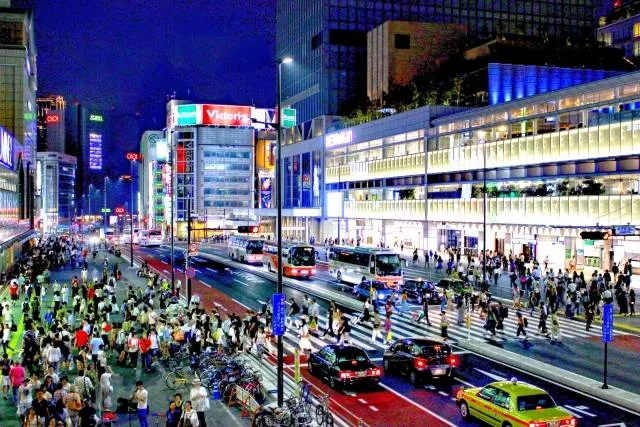
As you can probably imagine from its population, Shinjuku can get pretty busy. Shinjuku Station handles about 3.6 million passengers every day and it is certified as the busiest station in the world by the Guinness World Records. There are 5 different train operators in Shinjuku Station, and the Shinjuku Bus Terminal is located near the West Exit of the station, offering you many ways to get around. If you are not sure where to stay in Tokyo, it is never a bad idea to pick Shinjuku as a base as you can get around easily.
Shinjuku at Night
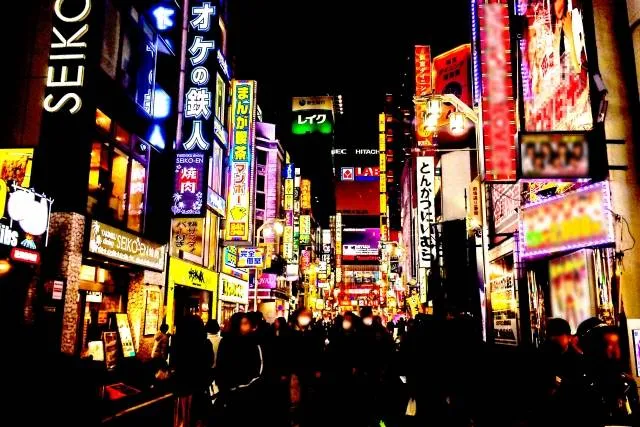
via www.photo-ac.com
Shinjuku transforms itself from the busy business and shopping district in the daytime to the party district at night. As the evening approaches, thousands of restaurants, bars and izakayas (Japanese style pubs) light their neon lights and attract businessmen, tourists, and locals for some late-night drinks. If you are looking for the full Shinjuku night life experience, head to the east side of the station for Kabukicho, the biggest red-light district in Tokyo. For a more relaxed and at-home atmosphere, Golden Gai and Omoide Yokocho are the places to go where small izakaya-type restaurants and bars fill every corner of the tiny streets. In Shinjuku, you can see how Japanese people have fun and let off steam after a long day at work. Perhaps you can join the locals and make friends with them? Here is the magic word – “Kanpai! (Cheers!)”.
Dining Experience in Shinjuku
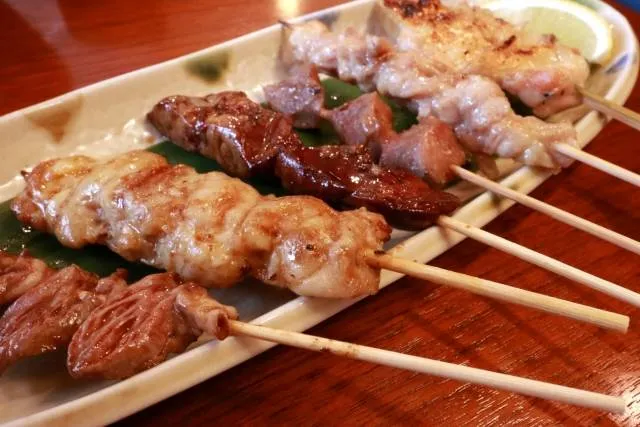
via www.photo-ac.com
Shinjuku offers a wide variety of eating options from fine dining to some highly unique themed restaurants. Here are some of the recommendations for a great dining experience!
Ramen: Fu-unji
Meet one of the most popular ramen shops in Shinjuku! Its rich broth made from fish and chicken and chewy noodles served with tender chashu (pork belly) and a soft-cooked egg will make you want to come back here again and again.
http://www.fu-unji.com/
Meet one of the most popular ramen shops in Shinjuku! Its rich broth made from fish and chicken and chewy noodles served with tender chashu (pork belly) and a soft-cooked egg will make you want to come back here again and again.
http://www.fu-unji.com/
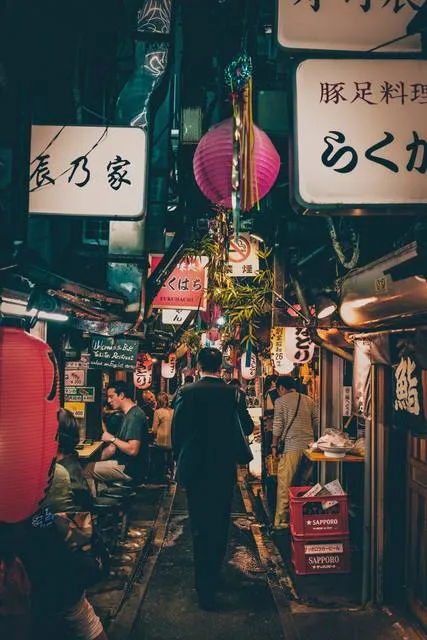
via unsplash.com
Yakitori: Omoide Yokocho
Omoide Yokocho is a narrow street full of good yakitori restaurants. It has barely changed since the 50’s and attracts many hungry businessmen and tourists with the heavenly smell of juicy chicken skewers. This is the ultimate Yakitori experience in Tokyo!
http://shinjuku-omoide.com/
Fresh Fish: Zauo
Catch your own dinner! In the fish restaurant Zauo, you can fish your favorite fish and have the kitchen prepare it any way you like such as sushi, sashimi or deep-fried. They will even offer you a discount if you manage to catch your fish.
http://www.zauo.com/en/
Gaming Café: 8bit Café
Love Japanese video games? Then the 8bit Café will instantly become your second home. In 8bit Café, you can play popular video games while dining and drinking. It has a theme of Japanese subculture in the 80’s and its quirky atmosphere can be experienced nowhere but here.
http://8bitcafe.net/
Dinner Show: Robot Restaurant
A unique themed restaurant where you can enjoy entertainment shows played by robots. With its blight lights, techno music and lasers, you will feel as if you are in an alternate reality!
https://www.shinjuku-robot.com/pc/
Tips for when you eat out:
The first thing to remember is that Japan is still very much a cash based society, so it is always prudent to check if you can use a credit card at any establishment. There is also no culture of tipping in Japan and this could lead to confusion if you try to leave a tip for services in Japan.
However, it is common in Japan for restaurants to serve “otoshi” which is a small dish that is served as soon as you sit in a restaurant. This is akin to a seating charge and can cost anything from 300 - 500 yen depending on the establishment. So it is best to remember this when budgeting for your meals, and you can ask the staff before you sit down if there is “otoshi”. Similarly, some bars will also have a seating charge (especially common in Golden Gai) and this can be up to 1,000 yen for some bars.
If you do decide to go experience some of the host or hostess clubs in Shinjuku it is wise to be careful in regards to the prices as you can easily build up a tab of a few hundred dollars without actually realizing it.
Come and Enjoy Shinjuku
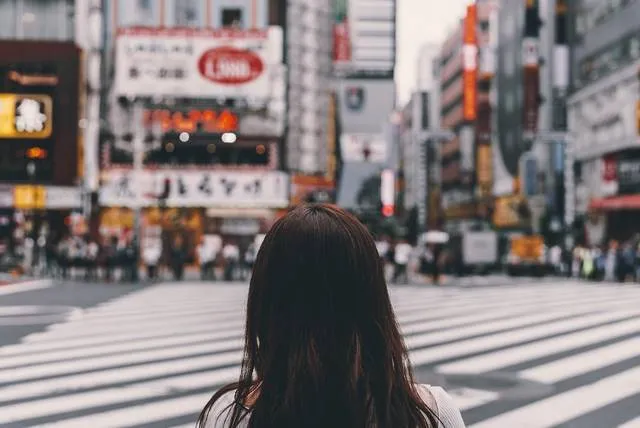
via unsplash.com
There are so many faces to Shinjuku and so many things to see and do so why don’t you come and enjoy the full charms of Shinjuku. It is a place you will never forget!
Related Tour
Fantastic Shinjuku Walking Tour with a Shinjuku Native guide | WOW U
Stood as the heart of Tokyo, Shinjuku is the place for a little adventure! Along with a native guide, you will see: Metropolitan Government Office Building, Kabukicho District, and more!
Information
How to Get to Shinjuku
From Narita Airport
Take a Narita Express train (102minutes). You can purchase a ticket at the ticket counter or the ticket machine in the airport.
From Haneda Airport
By Train: Take a Tokyo Monorail train bound for Hamamatsucho. Get off at Hamamatsucho Station (22 minutes) and change to the JR Yamanote Line train for Shinagawa. Get off at Shinjuku Station (25 minutes).
By Bus: Take an Airport Limousine bus from Haneda Airport.