content: Kamakura is about one hour from Tokyo city. It used to be a politic center city during the Kamakura period, and it has developed into a tourism center during the Edo period. Now, it is a getaway for many Tokyo people during the weekends where you can experience nature and historic shrines.
Summary
Kamakura is the place where a samurai culture, centered around Yoritomo established the regulation, at a significant turning point in the history of Japan, a transition from aristocratic control to samurai rule. The spirituality of the samurai spirit and the traditional refined culture mixed with the Chinese Song-yuan culture and it continues to have a significant impact on Japanese society even now.
The Birthplace Of Samurai Government Was At Kamakura
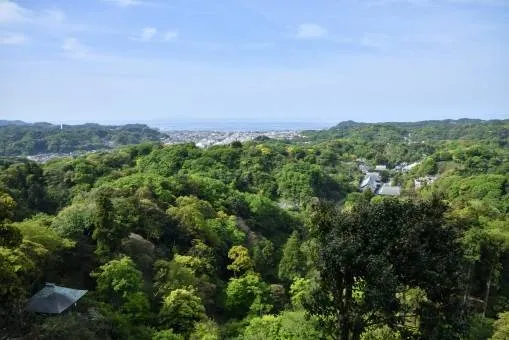 Kamakura is located south of Tokyo and has a population of about 170,000 according to government data in 2016. Kamakura City is about 40 kilometers big, which is about two times of Shibuya District.
Kamakura is surrounded on the east, north, and west by mountains which make the city a great fortress. On the south side, it faces the Pacific Ocean. Due to its perfect location, Kamakura was once a politic center serving an important status as Nara city and Kyoto city. Moreover, it is the birthplace of Japan's first samurai government. Kamakura Shogunate was the top Japanese military dictator aimed at unifying the whole country by using samurai. Finally, after three years of the construction of the Kamakura Shogunate in 1192, the samurai government, Kamakura Shogunate was created. After that for 150 years, Kamakura had become the center of Japanese politics.
The First Person Who Used To Live In Kamaraku Lived There 10,000 Years Ago
 The history of Kamakura started a long time ago. Paleolithic stone tools were excavated at Mountain Awa Funayama behind the Joraku Temple, and the first person to live in Kamakura was from 10,000 years ago. It seems to be around the Paleolithic age.
After the Paleolithic stone age, during the Jomon period, the Yayoi period and the Kofun period, many artifacts have also been found in Kamakura. It shows the long and old history and culture of Kamakura again.
After The Middle of The Edo Period, Kamakura Became A Popular Tourist Spot
However, Motohiro (1333), a Shogunate (the top Japanese military dictator) was destroyed by Yoshisada Nitta. Battle continued for power among the powerful samurais, and Ashikaga Takashi founded the Muromachi shogunate in Kyoto. However, the Shogunate and Kamakura government conflicted. In the first year of Kasama (1455), Mr. Ashikaga, a leader of Kamakura-fu lost in battle, fled to Shinsuke Shimojo, Kamakura rapidly lost its status and became a village of agriculture and a fishing port. When entering the Edo period, shrines and temples were rebuilt in Kamakura. Also, in the second half of the 17th century, Mitsuaki Tokugawa created a new-edition Kamakura magazine and connected the scenic spots of Enoshima and other beautiful places, the number of Edo citizens who enjoyed visiting historical sites also increased. In the latter part of the Edo period, Kamakura paintings and many other arts boosted the tourism in Kamakura.
Top Recommend Must-Visit Places In Kamakura
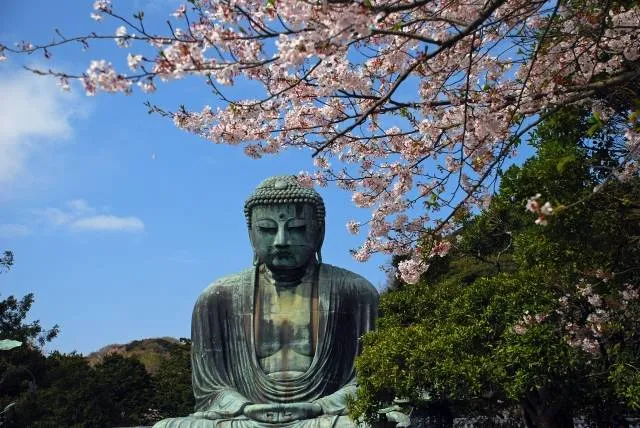
1. See The Biggest Buddha Around Kanto Area In Kamakura
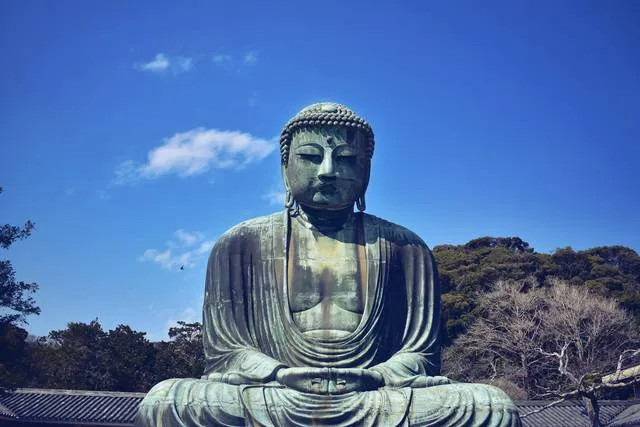 Kamakura Great Buddha was designated as the national treasure in 1957 and as a national historic site in 2014.
The height and size of Great Buddha are about 11 meters,13.35 meters when including a pedestal in height, the length of the face alone is 2.35 meters, and the total weight is 121 tons. They exhibit the grass sandals of the Great Buddha in the museum. The length is 1.8 meters, which is almost the same as the length of the period of the Big Buddha. Despite the great size of Kamakura Great Buddha, it is ranked as the number 7th biggest Buddha in Japan.
Information:
Opens from 8:00 AM to 5:30 PM. The door closes at 5:00 PM so please arrive before 5:00 PM.
The closest station is Hase Station, Enoshima Line. It takes 7 minutes on foot.
Address: 4 Chome-2-28 Hase, Kamakura, Kanagawa Prefecture 248-0016
Phone Number: +81 467-22-0703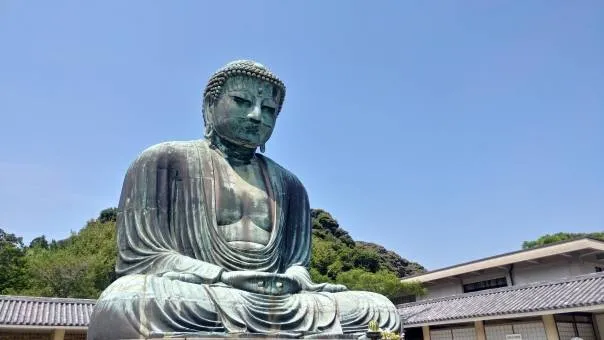 There is no clear history of the construction of Kotokuin where the Great Buddha is. It was built around 1252. Originally it was a Shingon sect temple, belonging to the Jodo sect after the Edo period, it became the temple of Komyo temple, built from the same timber as Kamakura.
Although the creator is unknown, it is said that the Buddha image during the Kamakura period seems to have both the style of "Gyeongju" (Buddhist teacher and the Buddhist consecutively connected with it) and the influence of the Song Dynasty Chinese Buddhists.
2. Fun Cultural Experience In Zeniarai Benzaiten Ugafuku Shrine
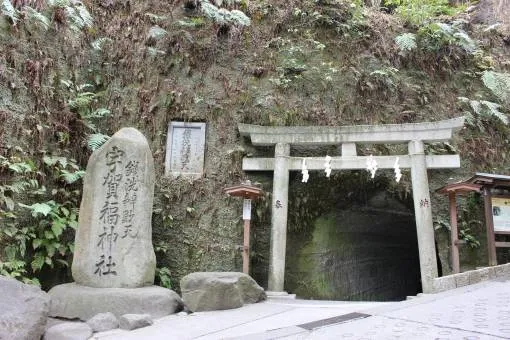
The founder of the Zeniarai Benten Shrine was Minamoto no Yoritomo. According to the legend, he dreamed that if he worshiped in the God of Uka Fukami at this Shinto Shrine, he would receive the abundance and peace of the country.
 Information:
Opens from 8:00 AM - 4:30 PM. It takes about twenty-five minutes by foot from Kamakura station.
Address : 2 Chome-25-16 Sasuke, Kamakura, Kanagawa Prefecture 248-0017
Phone: +81 467-25-1081 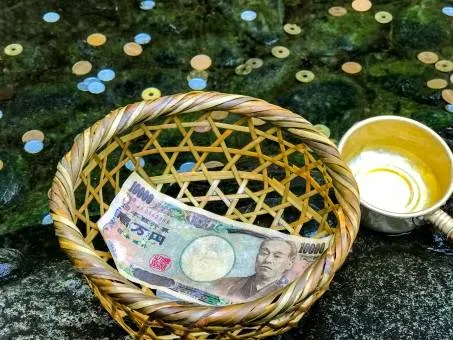 It is said that the custom of washing money traced back to the fifth generation of the Kamakura Shogunate, Hojo Tokiyasu, in 1257. He prayed for the prosperity of the family by cleaning the money because it is a spiritual place. Washing money with cleansing water is a faith that cleanses the heart and good luck which came from the practice of cleaning unclean gold. The custom continues today and many people come here to wash money to pray for good business and an increase in luck in money matters.
3. The Center And The Birthplace Of Kamakura Shogunate Is Tsurugaoka Hachimangu With Eight Hundret Years Of History
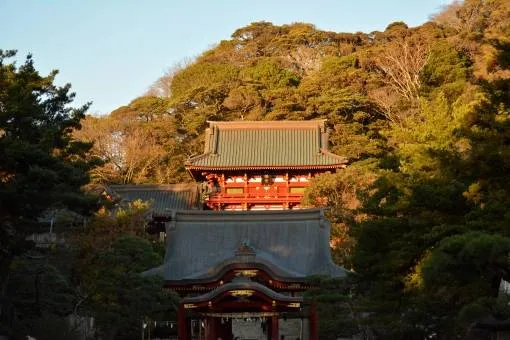 When Genji Yoshiyoshi who was Sagami Mamoru, a local governor in the Heian period founded Shishimizu Hachimangu Shrine in 1063, Yoshiyoshi Genji prayed at Shimizu Hachimangu Shrine in Kyoto during the nine years of war.
Finally, he won victory in the war. He requested a division of the Patron God of Genji, Iwashimizu Hachimangu Shrine located at Kyoto to re-enshrine it in Kamakura to celebrate and pray for its peace after the war. The wish was granted; thus, the original Tsurugaoka Hachiman-gu was built in 1063.
Information:
Opens from 8:00 AM - 4:30 PM. The entry fee is 200 yen for adult and 100 yen for elementary school student.
It takes about 12 minutes on foot from JR Kamakura Station or Enoden Kamakura Station.
Address: 2 Chome-1-31 Yukinoshita, Kamakura, Kanagawa Prefecture 248-8588
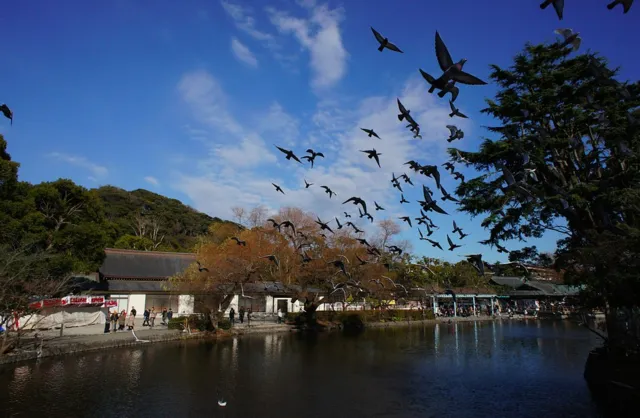
Phone: +81 467-22-0315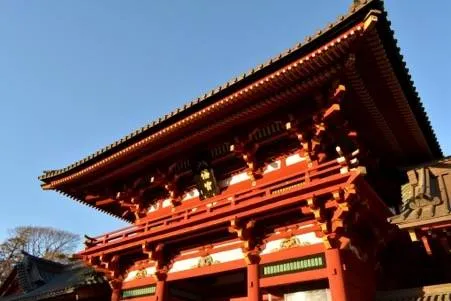 A fire accident in 1191 destroyed the main shrine. Tokugawa Izumi rebuilt it in 1828. Hachimangu shrine, the pronunciation of Hachi meaning number 8 in Japanese is somehow like the pronunciation of pigeon (Hato in Japanese). The eight was written on the top of the gate refers to the pigeon because they consider the pigeon to be the symbol of God. InHachimangu shrine, there are shapes of pigeons.
During the Meiji Era, the anti-Buddhism movement brought a significant loss to the temples nationwide, including Tsurugaoka Hachimangu Shrine. However, Tsurugaoka Hachimangu Shrine still preserves cultural properties, valuable historical sites, and architecture from the Edo era. Now, it is a favorite tourist spot in the tourist city of Kamakura. It is designated as a valuable cultural asset of the country due to its typical Edo architecture.
After reading the history of Kamakura and many famous appealing tourist spots, you must be excited to visit there to experience authentic Japanese culture. If you want to visit with a local tour guide, you can look at the related tour below.
Information
Address : 2 Chome-1-31 Yukinoshita, Kamakura-shi, Kanagawa-ken 248-8588 Phone Number: +81 467-22-0315Kamakura City is about 60 kilometers from the center of Tokyo City. There are three different lines that can take you to Kamakura. - JR Shonan Shinjuku Line It connects from Shinjuku Station to Kamakura Station. It takes about one hour to go. There are one or two direct trains from Shinjuku Station to Kamakura Station every hour. So, check in advance the train schedule and make sure you take the earliest one. - JR Yokosuka Line From Tokyo Station or Shimbashi Station, you can take the JR Yokosuka Line to Kamakura Station. It takes about fifty minutes. - Odakyu Railway Also, from Shinjuku Station, you can take the odakyu railway to Kamakura Station. But you need to transfer at Fujisawa Station. It takes about one and half hours.Reference List:
https://www.city.kamakura.kanagawa.jp/kids/jh/kjh211.html
http://www.kamakura-info.jp/recommend/column_01
http://www.kotoku-in.jp/
https://www.city.kamakura.kanagawa.jp/kids/jh/kjh_sa19.html
https://www.city.kamakura.kanagawa.jp/kamakura-kankou/meisho/04tsurugaokahachimangu.html