Tokyo is one of the most Influential Cities in the World. However, the city has been developed since the Edo Period. There are many traditional, historical touristic spots that worth your visit!
Summary
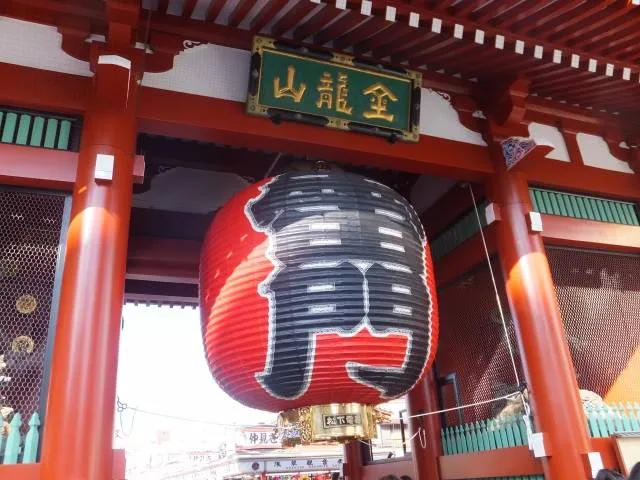
Tokyo is one of the most Influential Cities in the World. However, the city has been developed since the Edo Period. There are many traditional, historical touristic spots that worth your visit! For example, Meiji Jingu Shrine that has more than 40 years of history. Imperial Palace where the emperor live and the oldest Buddhist temple in Tokyo, Sensoji Temple.
Tokyo Is One Of The Most Influential Cities Among The World
via unsplash.com
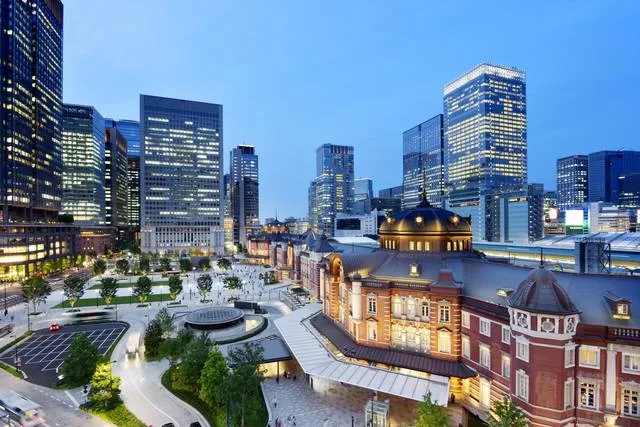
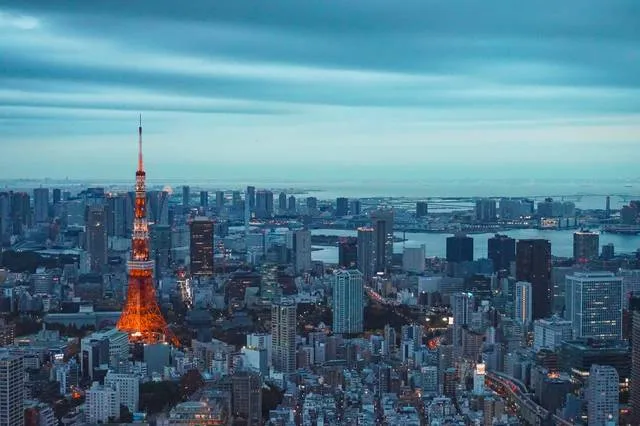
Tokyo has a population of approximately 14 million people, which is about 12% of the whole Japanese population. Tokyo is one of the most densely populated cities in the world with almost 7000 people per square kilometers. According to 2015 government data, more than 23% of the total residents in Tokyo consists of the aged population (older than 65 years old). In other words, Tokyo is becoming an aged city. Its population is expected to have a negative growth rate, especially after the 2020 Olympics. But regardless of the facts on the Tokyo population, Tokyo is still the most influential city in Asia, even around the world.
You will be able to discover many historical traditional spots in the middle of the crowded city with the help of a local guide.
You will be able to discover many historical traditional spots in the middle of the crowded city with the help of a local guide.
Meiji Jingu Shrine Is A Shinto Shrine With A History Of 40 Years Old
Meiji Shrine is a Shinto Shrine and was established in 1979, a shrine that was built by Emperor Meiji and Shogo Hen. Shinto is an ancient Japanese religion. The Shinto religion focuses on ritual practices and believes in peace with nature. It is also believed that all humans are born with good deeds; all the bad deeds are influenced by evil spirits.
More than 100,000 trees, 234 kinds of plants in Meiji Shrine were planted from all over Japan, such as vertebrae and oak across the area of 700,000 meters.
There are many traditional buildings to visit, such as the treasure shrine, the treasure exhibition room, the martial arts festival, the Meiji Jingu Culture Center, and the Kagura dormitory.
In June 2011, the treasure shrine was designated as an important cultural property of the country.
In Japan, it is a tradition to go shrine visiting during the New Year. Meiji Jingu is known for the most visited shrine in the New Year’s holiday, with more than 3 million visitors.
The Imperial Palace Is The Main Residence Of The Japanese Emperor
via fng.or.jp
The Imperial Palace is a garden-like place. You can find many people running, exercising and even having some events in here. There are eight different entrances in the Imperial Palace. With different areas, you will discover the different atmospheres and purposes of the buildings.
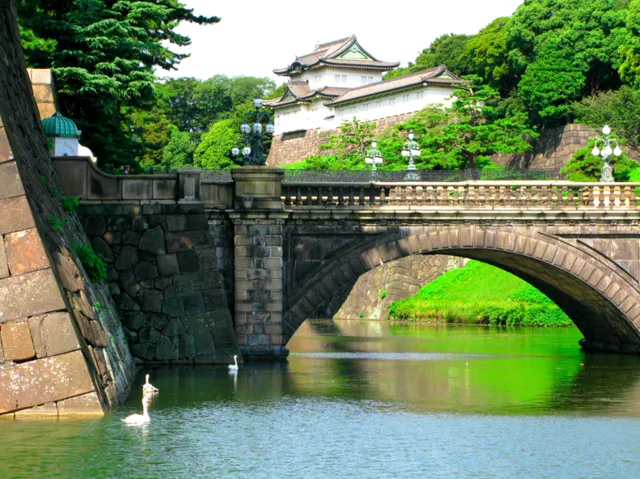
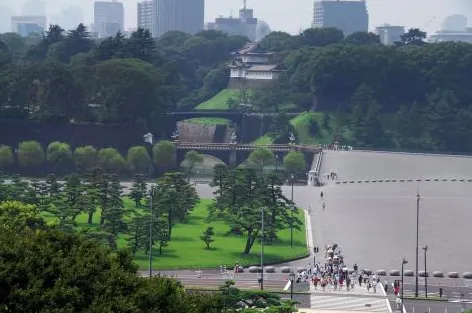
One of the most popular places in the Imperial Palace square is the "double bridge" with the Fushimi tower in the background.
The name of "Imperial Main Gate Iron Bridge" comes from a double structure (wooden material) in 1614. The current bridge was actually rebuilt and finished in 1888.
The Main Gate Iron Bridge is made of wrought iron in the construction of the Meiji palace in 1888, further prior to the establishment of the new palace of Showa era in 1963 without significant change of design etc. It is replaced, and it reaches the present.
On the other hand, the "Imperial Maeba Ishibashi" was completed in December 1888 (Meiji 20), the previous year when the Meiji Palace was completed. Granite was used for the stone arch bridge, and Western architectural design was adopted for the lighting lamp and the high column.
via fng.or.jp
via www.env.go.jp
Before the Edo Period, the area that faced the Hibiya river was famous for the fishing industry.
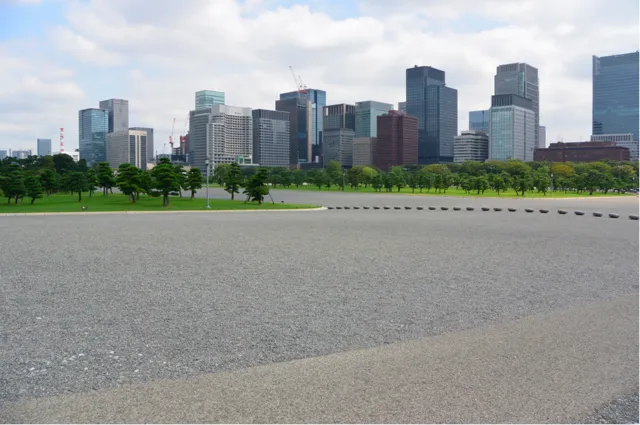
However, it was landfilled during the Edo era, and both the old and young houses that stood in line were called "Nishi no Maru". In the Meiji Era, these residential areas were used for the government buildings and barracks; nevertheless, they were removed and eventually became open space as you can see in the picture. After the war, it was developed as a national park for many people to do exercise here. Now, the Imperial Palace has become one of the popular parks for jogging. Many people use it to train for marathons because one round of the park is 5km. The running course is easy to jog, and you can enjoy the beautiful scenery while jogging. Even if you are not a runner, we would recommend that you enjoy the running course while visiting to have a unique jogging experience in the Imperial Palace.
However, it was landfilled during the Edo era, and both the old and young houses that stood in line were called "Nishi no Maru". In the Meiji Era, these residential areas were used for the government buildings and barracks; nevertheless, they were removed and eventually became open space as you can see in the picture. After the war, it was developed as a national park for many people to do exercise here. Now, the Imperial Palace has become one of the popular parks for jogging. Many people use it to train for marathons because one round of the park is 5km. The running course is easy to jog, and you can enjoy the beautiful scenery while jogging. Even if you are not a runner, we would recommend that you enjoy the running course while visiting to have a unique jogging experience in the Imperial Palace.
Asakusa Sensoji Temple Is The Oldest Buddhist Temple In Tokyo
via unsplash.com
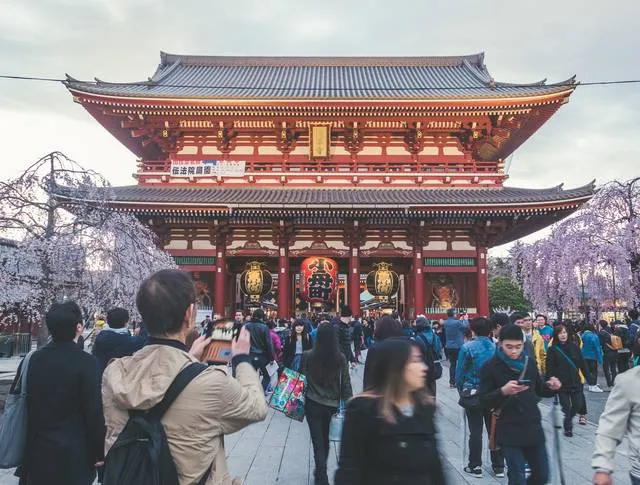
Asakusa Sensoji Temple is one of the oldest temples in Tokyo in Asakusa, Japan. It originally belonged to the Tendai sect but became independent after World War II. In Tokyo, it is the only temple that is part of the thirty-three Kannon temples of the Bando Kannon Pilgrimage Circuit (No. 13). It is the most famous sightseeing spot in the country; many visitors come during the New Year break to pray for good luck on the coming next year. The number of visitors is on the top 10 in Japan.
According to legend, the origin of the Sensoji Temple is that two brothers kept trying to return a statue of Kannon, the goddess of mercy, to the Sumida River only to have it returned to them the next day. This temple located in Tokyo's Asakusa district was built to honor her.
Wearing a kimono and exploring Asakusa is also one of the popular things to do. You can wear a traditional kimono and walk around the historical temple. You can take a lot of great pictures in here. There are many rentals shop around, so you might want to visit several rental shops to check which pattern of clothes you like or the price of the rental before you make the decisions.
We would recommend walking around Nakamise dori which is about 200 meters long and just right in front of the Sensoji Temple where there are many souvenirs shop and local food stand. You can walk around, eat some Japanese snacks and buy some souvenirs for your friends and family. Normally it takes about 1 hour in the area; however, if you are taking pictures, some people might spend 3 hours here.
Related Tour
Tour of Tokyo's historical highlights
This in-depth tour of Tokyo by a professional Japanese guide will show you the city’s best spots : Meiji Jingu Shrine, The Imperial Palace, Asakusa and more!
Message from the Guide
Japan has a long history. Even only in Tokyo, the samurai government, the Tokugawa Shogunate established Edo (now Tokyo) in 1603. In 1868, Japan started modernization and westernization. Through this tour, you can learn more about Japan's history and cultural background. You will also notice that Tokyo has been making developments in preparation for the 2020 Olympic Games, and see that in Tokyo, there is a contrast between tradition and modernity. While walking and seeing the sights, I will talk to you about Tokyo now and then and answer your questions. I hope that this tour will give you a deeper understanding of Japan and Tokyo.via One Day Essential Sights of Tokyo | WOW U
Information
Imperial Palace
●Address: 1-1 Chiyoda, Chiyoda-ku, Tokyo 100-8111
●Tel: +81-3-3213-1111
●Admission: free for entry
●Open hours: 9am-17pm
●Website: http://fng.or.jp/koukyo/place/gaien-01.html
●Address: 1-1 Chiyoda, Chiyoda-ku, Tokyo 100-8111
●Tel: +81-3-3213-1111
●Admission: free for entry
●Open hours: 9am-17pm
●Website: http://fng.or.jp/koukyo/place/gaien-01.html
Meiji Jingu Shrine
●Address: 1-1 Yoyogi-Kamizono-cho, Shibuya-ku, Tokyo
●Tel: +81-33-379-5511
●Admission: 500 JPY
●Opening hours: 5am-6pm
●Address: 1-1 Yoyogi-Kamizono-cho, Shibuya-ku, Tokyo
●Tel: +81-33-379-5511
●Admission: 500 JPY
●Opening hours: 5am-6pm
Sensoji-Temple Asakusa
●Address: 2-3-1, Asakusa, Taito-ku, Tokyo 111-0032
●Tel: +81-3-3842-0181
●Admission: free for entry
●Open hours: 6:30 am-5:00 pm
●Address: 2-3-1, Asakusa, Taito-ku, Tokyo 111-0032
●Tel: +81-3-3842-0181
●Admission: free for entry
●Open hours: 6:30 am-5:00 pm