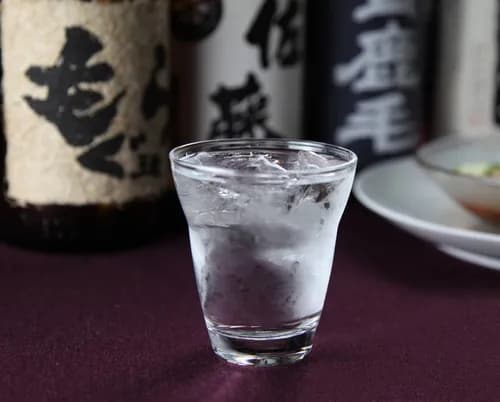
Pufferfish or Fugu is a popular winter delicacy in Japan.Try having it in several ways-- as sashimi, deep-fried and hot pot.If you are up for a challenge, try eating its soft roe.Akita's pufferfish soft roe is known to have a distinct sweetness.
Pufferfish (Fugu), the Poisonous but Luxurious Winter Delicacy
Pufferfish or Fugu is a winter delicacy and has been eaten for hundreds of years in Japan. In Yamaguchi Prefecture, they call the fish, “Fuku” which means good luck. The fish is a popular winter fish especially in Western Japan, and 10,000 tons of it is eaten in a year. It’s considered a luxurious food item.
A powerful poison called tetrodotoxin is found in the inner organs of a pufferfish. It’s so deadly that it can kill a man in a few minutes. That’s part of the reason why this fish is considered luxurious- all pufferfish chefs in Japan need to retain a special license to serve it on the table. People are prohibited from preparing it at home.
Another reason why it's popular is that pufferfish is healthy. It contains high amounts of protein, low levels of fat, and the skin contains a lot of collagen, compared to other white-fleshed fish.
Most pufferfish is caught in southern Japan. That’s why Akita Prefecture in northern Japan and pufferfish may not ring any bells to many. Although fish landings may not be as large, Akita’s pufferfish is firm and tasty because they swim in the cold waters of Northern Japan’s Sea of Japan and has hidden popularity among pufferfish lovers.
Some say the Shirako of Akita pufferfish is exceptionally delicious. Shirako is quite understandably a weird delicacy to many foreigners. It’s a soft, white creamy paste that kind of looks like some animal’s intestines but actually its soft roe (pufferfish seamen). Pufferfish Shirako is rare and is a highly prized food item in Japan. Presumably, it has a high amount of zinc, DHA, and at present, there is a lot of research being done on toxic fish like pufferfish, and some researchers believe there might be something in the fish that’s neuroprotective. It has a pleasant sea-like taste, tofu-like texture, and the ones from Akita are known to have a distinct sweetness.
Pufferfish Course Meals
Hot Pot
Pufferfish course meals are all about eating pufferfish in different styles. They are usually served in the following way.
Sashimi
Often called Fugusashi, the almost-transparent, thin slices of sashimi are laid out in a circular fan on a large ceramic plate. This is the most common way of having pufferfish. The fish is cut in thin slices because the flesh has a lot of fiber, making it extremely chewy. It’s usually served with chopped up chives, chili-flavored radish mash, soy sauce and ponzu or citrus based sauce to enhance the flavor of pufferfish. It has a quiet but rich flavor, which you can enjoy as you chew the fish thoroughly. Experts say you should pick up more than one slice at a time, and dip them into the sauce that is prepared for you.
Deep Fried
Sliced fugu that is deep fried is crispy and crunchy on the outside and soft in the inside. It’s usually served with lemon juice or kabosu citrus.
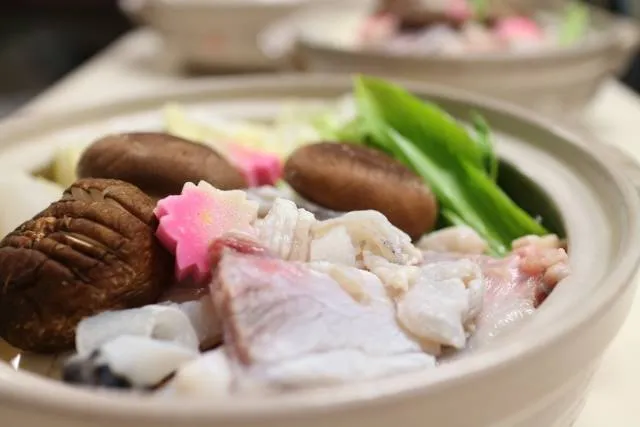
Hot Pot
Warm up with a pufferfish hot pot in the end. With tofu, Chinese cabbage, mushrooms and other winter vegetables, the hot pot is an easy way to try the blowfish.
Other examples of ways to have pufferfish is grilled over a charcoal fire, tataki (flash-grilled on the outside), shabu shabu (swish through boiling soup), and grilled/deep-fried/boiled pufferfish skin.
If you’re an adventurous foodie, try pufferfish in Japan.
Fun Facts about Akita Prefecture
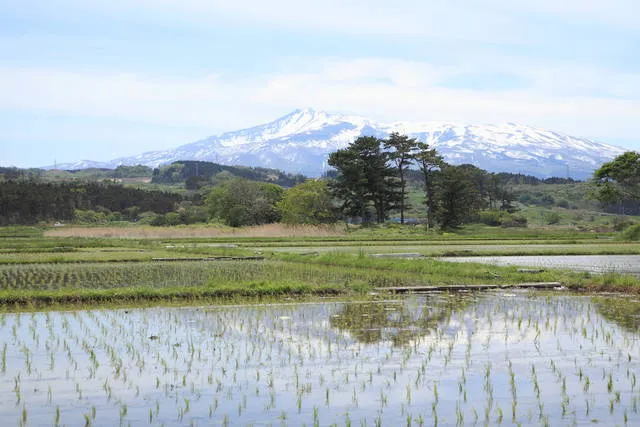
Akita Prefecture is located in northern Japan, south of Aomori Prefecture the northernmost Prefecture of Japan’s largest island, Honshu.
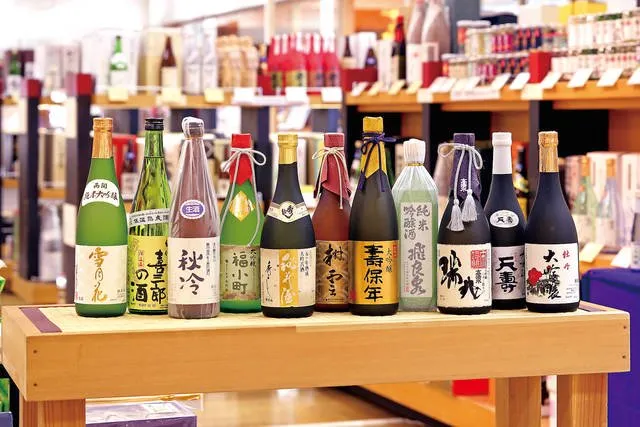
Akita is famous for their sake breweries- in fact, they are known to have the highest consumption of sake in Japan. You can visit their sake breweries, and if you visit in the winter (when pufferfish too, by the way, is in high season), some places will allow you to observe the actual sake brewing process.
The women in Akita are called “Akita bijin” which translates to “Akita beauty.” They are known to have beautiful pale skin, high voices, and round faces.
The women in Akita are called “Akita bijin” which translates to “Akita beauty.” They are known to have beautiful pale skin, high voices, and round faces.

The Japanese Akita dog is believed to have developed from Akita Prefecture. Their loyal and adorable character has been gaining national popularity in recent years. Try looking up “Wasao,” a popular Akita dog from Akita is extremely popular. He’s known to be “busakawa” or “ugly but cute.” He’s my personal favorite (the dog above is not "Wasao" but he's also super cute).
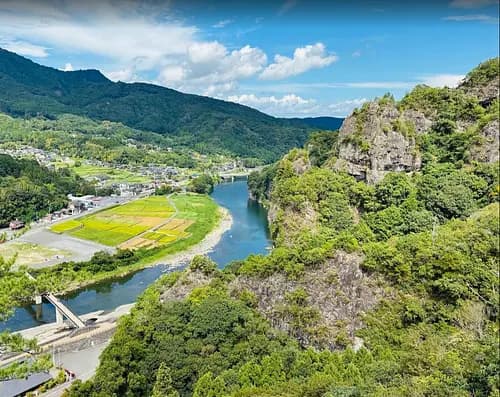
Nature is abundant in Akita Prefecture, and the air and water are clean and fresh. Slow your pace there, and enjoy a course meal of pufferfish with Akita’s sake for dinner. Hopefully, you’ll bump into some beautiful “Akita bijins” and adorable Akita dogs during your stay too.
Nature is abundant in Akita Prefecture, and the air and water are clean and fresh. Slow your pace there, and enjoy a course meal of pufferfish with Akita’s sake for dinner. Hopefully, you’ll bump into some beautiful “Akita bijins” and adorable Akita dogs during your stay too.
How to Visit
Take a domestic flight from Tokyo (Haneda) to Akita (75 minutes)
Restaurant Shiraho (serves pufferfish)
Address: 1-14-11 Chuo, Tsuchizaki port, Akita city, Akita Prefecture
Tel: +81 (0) 18-847-0189
Restaurant Shiraho (serves pufferfish)
Address: 1-14-11 Chuo, Tsuchizaki port, Akita city, Akita Prefecture
Tel: +81 (0) 18-847-0189