Yokohama is the 2nd largest city in Japan after Tokyo. Discover the traditional, historical, cultural, and modern sights. There is an abundance of things to do just a short trip from Tokyo! The international port city of Yokohama is the 2nd biggest city in Japan after Tokyo. Discover the traditional, historical, cultural, and modern sights. There is an abundance of things to do in the versatile city of Yokohama, one of the best places to visit on your trip to Japan.
Origins of Yokohama in Japan
Yokohama is Japan’s 2nd biggest city after Tokyo with over three and a half million residents. The name Yokohama comes from a sand bar that sat just off the coast and when viewed on its side (yoko), it looks like a beach (hama). However, Yokohama has come a long way from this sleepy little fishing town, to becoming the bustling metropolis it is now.
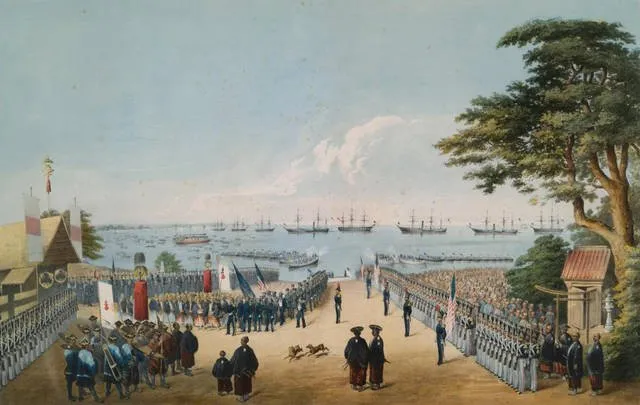
The evolution of Yokohama began when the US Commodore Matthew Perry arrived with a fleet of American warships and insisted that Japan open several ports for trade. One of these ports was the fishing village of Yokohama which was judged to be far enough away from the strategic highways connecting Edo (modern day Tokyo) to Kyoto and Osaka. Thus, the port of Yokohama was opened officially on June 2nd 1859.
Due to Yokohama’s multicultural background, you can enjoy a variety of different architectural styles where western influences are mixed with Japanese and Asian influences. Some of the buildings will make you stop and wonder if you are still in Japan!
Top Things to Do in Yokohama
Yokohama Chinatown
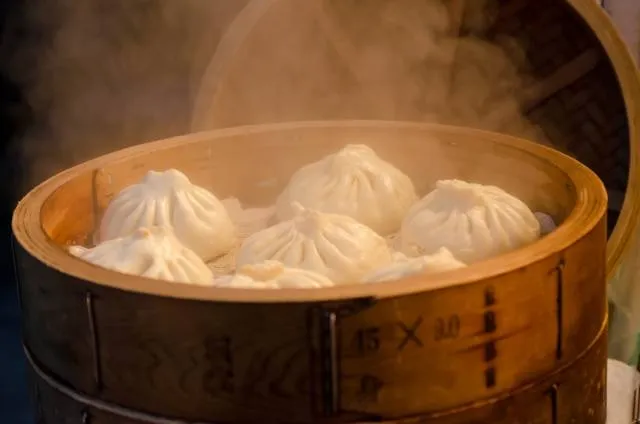
Yokohama Chinatown is the biggest China town in Japan and one of the biggest in the world. It developed quickly after Yokohama was first opened to western trade and the Chinese residents built themselves a community. Four colorful gates stand over the main entrances to Yokohama Chinatown and the Kanteibyo Temple dedicated to business and prosperity in the center, is worth a visit. However, the food is what most visitors come to Yokohama Chinatown for. Favorites are always the steamed buns and noodles, plus a variety of Chinese dishes.
Yamate and Motomachi
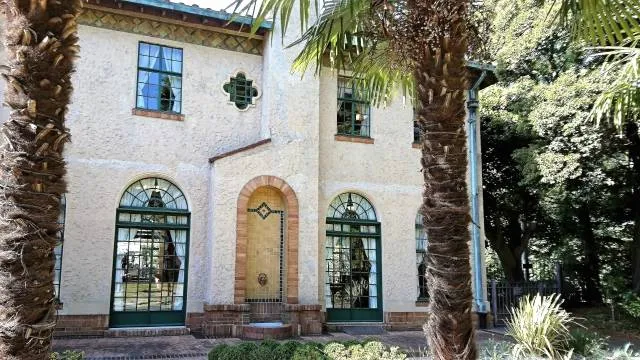
In contrast to Chinatown the western residents of Yokohama largely lived in Yamate, also called “The Bluff” due to its being on a hill. The damage caused by the Great Kanto Earthquake of 1923, in which 140,000 people lost their lives, left reminisce of buildings predating 1923. However, there are still several interesting historical sights which give you a glimpse as to what it must have been like 150 years ago, when the first westerners moved to Japan. The Spanish and Victorian style residences of Yokohama have a unique architecture in contrast with the rest of Japan.
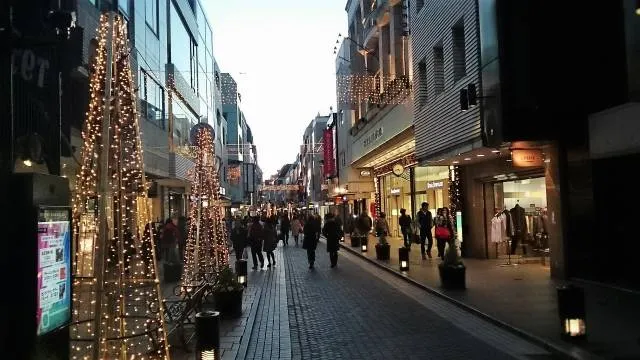
Motomachi is a shopping district that lies below the hilly residential area of Yamate. Originally serving the foreign residents of “The Bluff” with items from outside of Japan it is still a shopping district with a distinctly western theme. The Motomachi Shopping district is a 0.3 mi (500 m) long stretch of shops. It is pedestrian only on weekends and public holidays from 12:00 – 18:00. Motomachi is home to a wide variety of stores including clothing and general stores handling antiques and stylish items, elegant cafes offering good coffee and cakes and European style bakeries with freshly baked bread daily. After visiting the museums and historical residences in Yamate, you can do some shopping or stop at a cafe in Motomachi to perfectly complete the day.
Minato Mirai 21
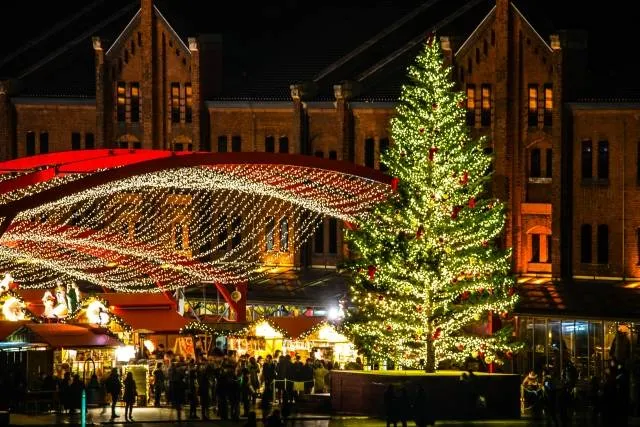
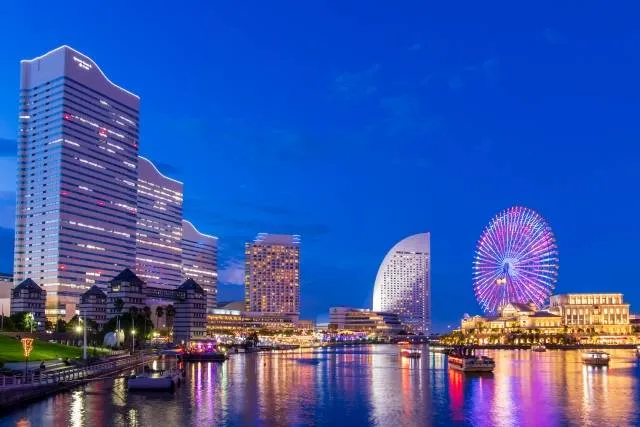
Minato Mirai, or future (mirai) of the harbor (minato) for the 21st century, was opened in 1980 as part of the gentrification of the old shipyard. It is now the central business district of Yokohama and one of the premier shopping, business and tourist spots in Japan. With the Landmark Tower, Japan’s 3rd tallest building and the beautiful bay views it is fantastic both at day and night. Enjoy plenty of shopping and restaurants, parks and even a theme park, it is definitely worth a visit!
Yokohama Red Brick Warehouse is a historical warehouse located in the Minato Mirai District. It was built in the early 1910s as storage for the growing Yokohama Port. In 2002, it was reborn as a cultural and commercial facility to host a number of events, shops and restaurants. The Oktoberfest and Christmas market held here every year is one of the biggest in Japan, and the plaza in front of the warehouse will transform into an ice skating rink from December to February. As an epicenter of culture and history in Yokohama, the Red Brick Warehouse assures you a great time.
Yamashita Park
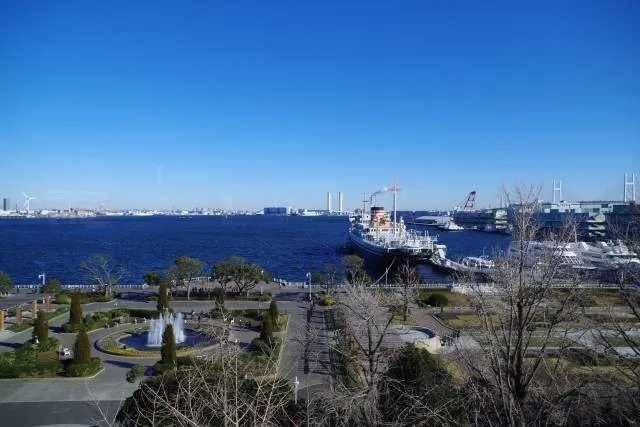
Yamashita Park stands on the reclaimed land created from rubble following the Great Kanto Earthquake of 1923, where much of Yokohama was destroyed. The park has fantastic views of the ocean and is now a beloved spot for locals and visitors. You can spend a relaxing day on the spacious grass fields with views the Yokohama Bay Bridge and ships coming using the port. Various statues and monuments sent from foreign countries show the long history of Yokohama as one of the first cities in Japan to build international relationships.
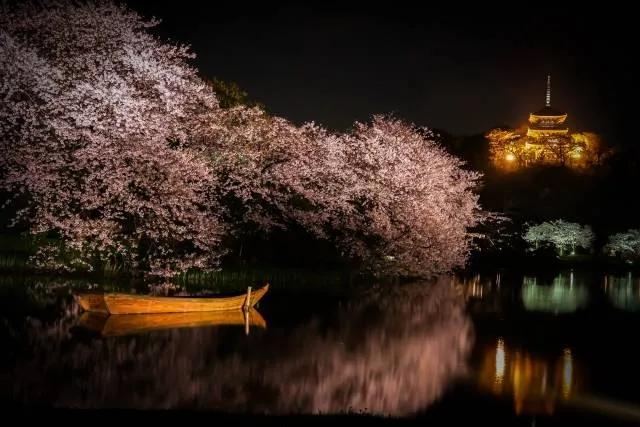
The Sankeien GardenThe Sankeien Garden in Yokohama is a beautiful Japanese garden which you would expect to find in Kyoto. The Sankeien Garden was built by a wealthy Yokohama business man Sankei Hara and is open to the public since 1906. It has 42 acres of paths, ponds, bridges and traditional buildings that are perfect for a relaxing stroll to recover from a day in the bustling city. Entry costs 700 yen for adults (15 and over) and 400 yen for minors (14 and under).
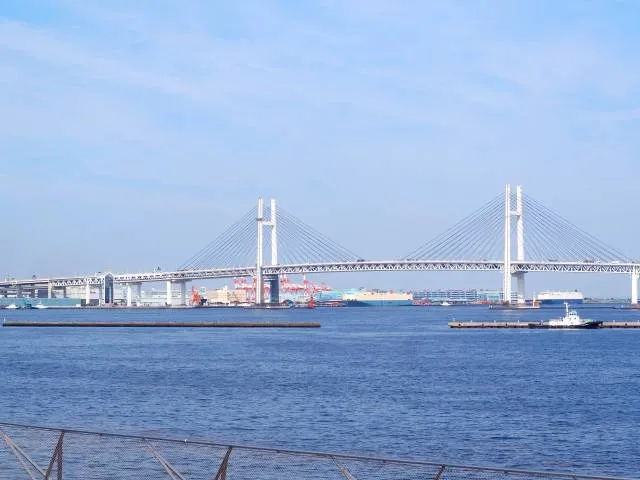
Harbor CruiseAnother convenient way to experience Yokohama is on the Sea Bass, you can ride the boat from Yokohama Station along the bay, taking in all the top sights.
The ferry is just regular local transport, not a tourist service, so it is quite an economical way to get around Yokohama and enjoy the views from the water.
Cruising and Walking along the Yokohama Bay Area
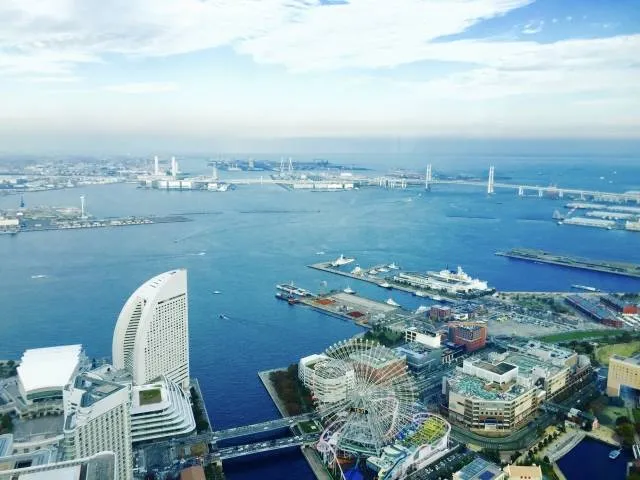
As with any big city when you first arrive it can be a bit daunting, where to go, what to do, especially in a city like Yokohama where there is just so much to do! So why not take advantage of a local tour guide to make the most of your time in Japan. There are many half or full day tour services available in English to tell you all those interesting little facts about Yokohama that will make your trip much more special.