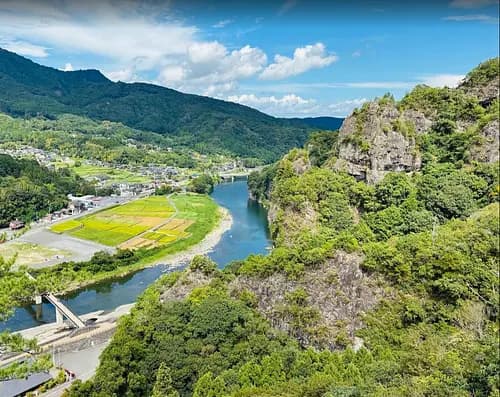
Saga Prefecture is located in northwest Kyushu. If you are a nature lover, you should visit the “Kashibaru Wetland,” located in Nana Mountain in the Karatsu region. The Nana Mountain is 600 meters high, and spring water flows through this wetland filled with rare species of plants and insects. Throughout the year, different plant species will adorn the area. The Kashibaru Wetland is a nature conservation area, so you will be able to enjoy the untouched nature of Japan.
View on FacebookThe Seasons of the Kashibaru Wetland
Kashibaru Wetland
The Kashibaru Wetland is one of only few wetlands in Japan that have more than 100 species of plants. Here, you will encounter a variety of rare wildlife, which is sure to be intriguing. Make sure to dress appropriately: long-sleeved shirts and long trousers are recommended.
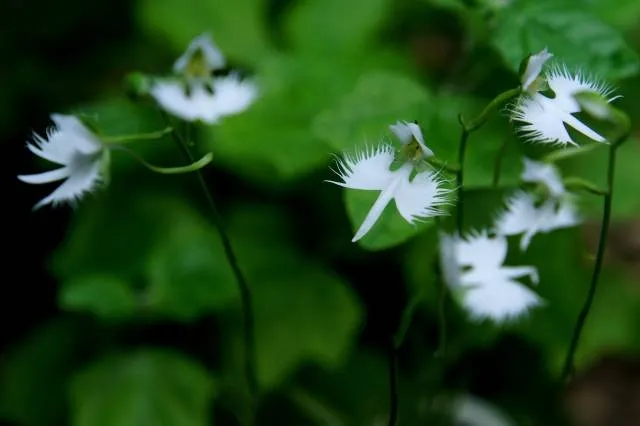
One representative plant of this area is “the white egret flower.” This white flower has an elegant and aerial shape of a heron, and is also the village flower. When you find this flower, you will be surprised at how similar it is to the heron. The “Pygmy Waterlily” is named after the hour of sheep, or 2AM in the early morning. The waterlily starts blooming at 2AM and closes it petal in the evening. The petals are only open for 3 to 5 days. The “Pogonia” is able to thrive in the sunlight only on wetlands. This pink orchid only blossoms in June. The “Menyanthes” is named that way because it has 3 oak shaped leaves, meaning three, and “Kashiwa” meaning oak. This flower blooms during spring. The “Hatsuchotombo” is the smallest dragonfly that can be found in Japan. It is the size of a 5-yen coin. The male dragonflies have a bright red color. They live near water, so make sure to look for it during your visit. “Round leaved sundew” is a carnivorous plant that feeds on insects. Each leaf has 200 cilia. If you are a nature explorer or love nature, this is the perfect location for you, since there are many rare species of plants and insects to satisfy your curiosity.
A whole new world of rare species
Hatsuchotombo: Japan's smallest dragonfly
The scenery changes throughout the year in the Kashibaru Wetland. You can enjoy a different view of the wetland during each season.
In spring, the Menyanthes and the wild cherry blossoms will start blooming. The tadpoles of the Japanese toad will start emerging in the pond, signaling the arrival of spring.
In summer, the wetland will be filled with nature. The area will be 5 to 6 degrees Celsius cooler, and you will be able to feel a light breeze. The symbolic white egret flower will start blossoming. The round leaved sundew is able to thrive in land that is not rich in nutrients because it feeds on insects. It burgeons a small white flower in the morning. Although this flower is small, if you look closely, you will be intrigued by the beauty of its intricateness. In addition, you will be able to see many other plants like the pogonia, which is a symbol of summer, the bright pink Kawara-Nadeshiko flower, the orange tiger lily, and the Kakirun flower.
In autumn, the scenery will rearrange into autumn colours, and the plants will produce fruits. The “Akebonosou” is a white flower with yellow and black spots on the petals. It is named after the sky of dawn, “Akebono.” “Sawagikyo” is a long purple flower, “Akabana” is dark pink, and “Kobanogamazumi” is small and white.
How to visit?
From JR Chikuhisen Line Hamazaki Station: 40 minutes away by taxi from the station By Car: 40 minutes from the Nagasaki Expressway Saga Yamamoto ICAddress:78 Otsu, Nanayamaikebaru, Karatsu City, Saga 8471103
Tel:+81 955-53-7175 (Karatsu City Nanayama brunch)
Reference List
http://www.pref.saga.lg.jp/kiji0037889/index.html
https://www.asobo-saga.jp/search/detail.html?id=95