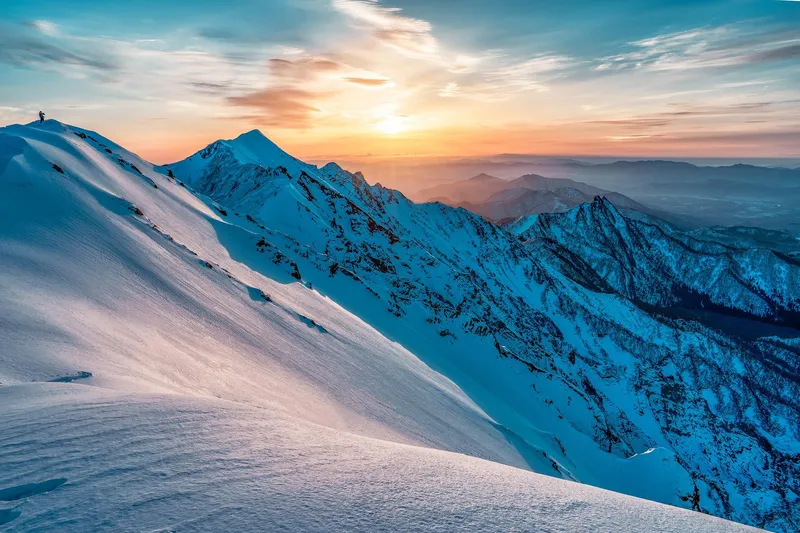
Mountains, valleys, plateaus, and beautiful scenery!
Japan is located directly on a fault line, so while that means lots of earthquakes, it also means that virtually the entire country is made up of mountains (and volcanoes, of course). There are hundreds and hundreds of mountains in Japan, so it can be tough to decide where to visit first. To help you start planning your hiking/camping/scenery-viewing trip, we’ve compiled a list of the best places in each of Japan’s 47 prefectures to explore nature in high altitudes.
##Hokkaido Region
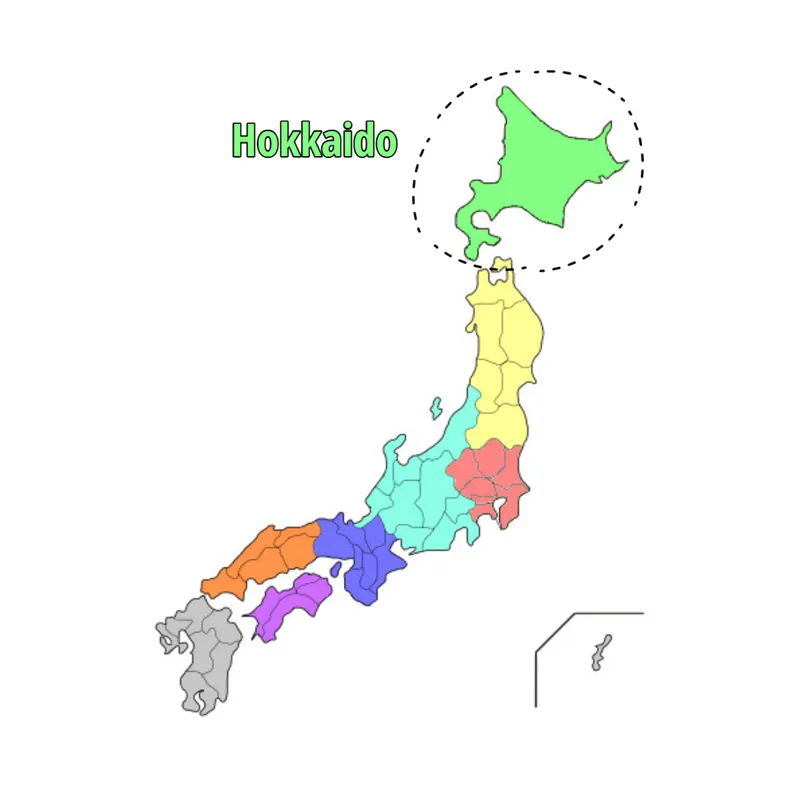
###Hokkaido Prefecture
####Mt. Asahidake
One of the 100 Famous Japanese Mountains, Mt. Asahidake is the highest peak in Hokkaido. Visitors can enjoy a beautiful, panoramic view from the Asahidake Ropeway, as well as skiing, trekking, cycling, kayaking, and many more activities.
Mt. Asahidake
##Tohoku Region
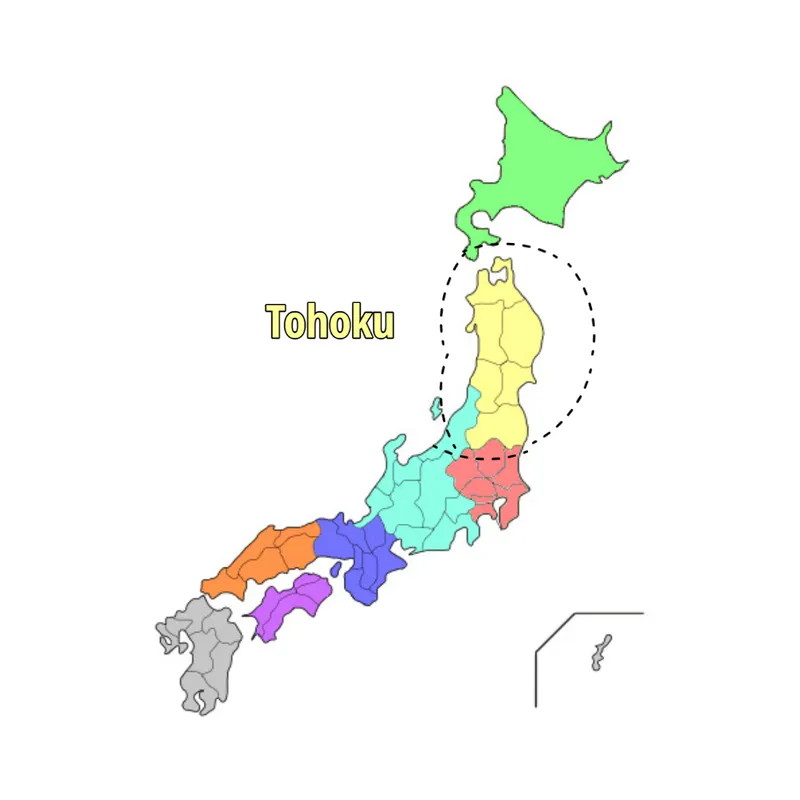
###Aomori Prefecture
####Hakkoda Mountains
The Hakkoda Mountains are a series of volcanic peaks stretching between Aomori City and Lake Towada. They are famous for their hiking trains, ski resorts, and hot springs, and this is also one of the few places in the world where visitors can experience a natural phenomenon called “snow monsters.”
Hakkoda Mountains
Hakkoda Ropeway
###Iwate Prefecture
####Hachimantai Mikaeri Pass
At 1,541 meters, Hachimantai Mikaeri Pass is the highest point of the Hachimantai Aspite Line, which is located in the Towada-Hachimantai National Park. There is an observation deck at the summit from which visitors can enjoy a beautiful view of Mt. Iwatesan and its surroundings.
Hachimantai Mikaeri Pass
###Miyagi Prefecture
####Mt. Zao
While commonly referred to as Mt. Zao, this area is actually a cluster of stratovolcanoes that stretches along the border of Miyagi and Yamagata. It is listed as one of the 100 Famous Japanese Mountains, and there are a number of famous onsen hot springs nearby. Zao Okama Crater, a volcanic crater lake, is also a popular destination, and many people visit to see a natural phenomenon in winter called “snow monsters.”
Mt. Zao
Zao Okama Crater
###Yamagata Prefecture
####Mt. Chokai
Mt. Chokai is a free-standing mountain and also the tallest peak in the Tohoku region. While reaching the summit requires a difficult climb, there are easier hiking trails on which more casual trekkers can still enjoy the beautiful autumn foliage covering the mountain and surrounding Lake Chokai.
Mt. Chokai
###Akita Prefecture
####Mt. Moriyoshi
A popular place for skiing in winter, Mt. Moriyoshi is also equipped with a gondola that visitors can use all year round. While many people use the gondola to access hiking trails in the warmer months, perhaps the biggest draw of the mountain is the collection of “snow monsters” that can be seen at a spot just a few minutes’ walk from the mountaintop gondola station.
Mt. Moriyoshi
###Fukushima Prefecture
####Mt. Futamata
Located in the northern part of the Nasu Mountain Range, Mt. Futamata sports two separate peaks. The summit is known for being covered in a beautiful carpet of rhododendrons, and it also sports a view of the surrounding highlands, lakes, and other natural scenery.
Mt. Futamata
##Kanto Region
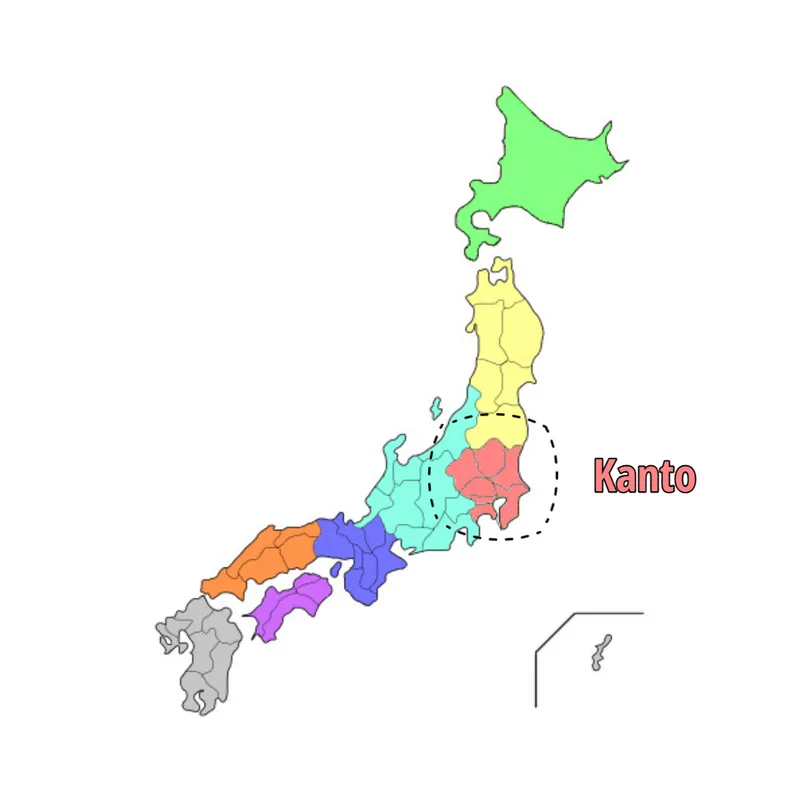
###Ibaraki Prefecture
####Mt. Tsukuba
A popular hiking spot, Mt. Tsukuba is also known as the Purple Peak due to the purple glow on the surface of the mountain from the morning and evening sun. There are a number of different hiking trails that vary in length and difficulty, and they each boast their own unique views and characteristics.
Mt. Tsukuba
###Tochigi Prefecture
####Mt. Nantai
Located within Nikko Natural Park, Mt. Nantai is known for its lush greenery and iridescent lake. The trek to the summit takes around four hours, and many visitors opt to take the trail that passes Futarasan Jinja Shrine, which boasts a stepped route and scenic statues.
Mt. Nantai
###Gunma Prefecture
####Mt. Kusatsu Shirane
Mt. Kusatsu Shirane is an active volcano in the Kusatsu region known for its three crater lakes, the largest one a brilliant shade of blue-green. While the mountain is one of the most famous of the region and a popular hiking spot, entry to the mountain can be restricted depending on the volcanic activity.
Mt. Kusatsu Shirane
###Saitama Prefecture
####Mt. Minoyama
Mt. Minoyama is a free-standing mountain in Saitama Prefecture and a popular hiking spot and day-trip destination from Tokyo. National Park Minoyama Koen Park sprawls across the mountain and summit, famous for its cherry blossoms, hydrangeas, and azaleas.
Minoyama Koen Park
###Chiba Prefecture
####Mt. Daifuku
Sporting an observation deck at the summit, Mt. Daifuku offers a spectacular view of the surrounding mountains of Chiba Prefecture. The mountain is home to a number of precious plant life, and there is also a shrine located at the summit.
Mt. Daifuku
###Tokyo Metropolis
Tokyo is a giant urban metropolis completely filled with skyscrapers and concrete, right? Wrong! Tokyo actually encompasses much more than just the urban city center, and there are several mountains and lots of nature and hiking paths just a short train ride away.
####Mt. Takao
Mt. Takao
####Mt. Mitakesan
Mt. Mitakesan
####Mt. Mito
Mt. Mito
###Kanagawa Prefecture
####Mt. Oyama
Believed to be the home of ancient deities, Mt. Oyama is considered sacred and has been designated by the Agency for Cultural Affairs as a Japan Heritage Site. The mountain is located within the Tanzawa-Oyama Quasi-National Park, and it houses both the Oyama-Afuri Jinja Shrine and Oyama-dera Temple.
Mt. Oyama
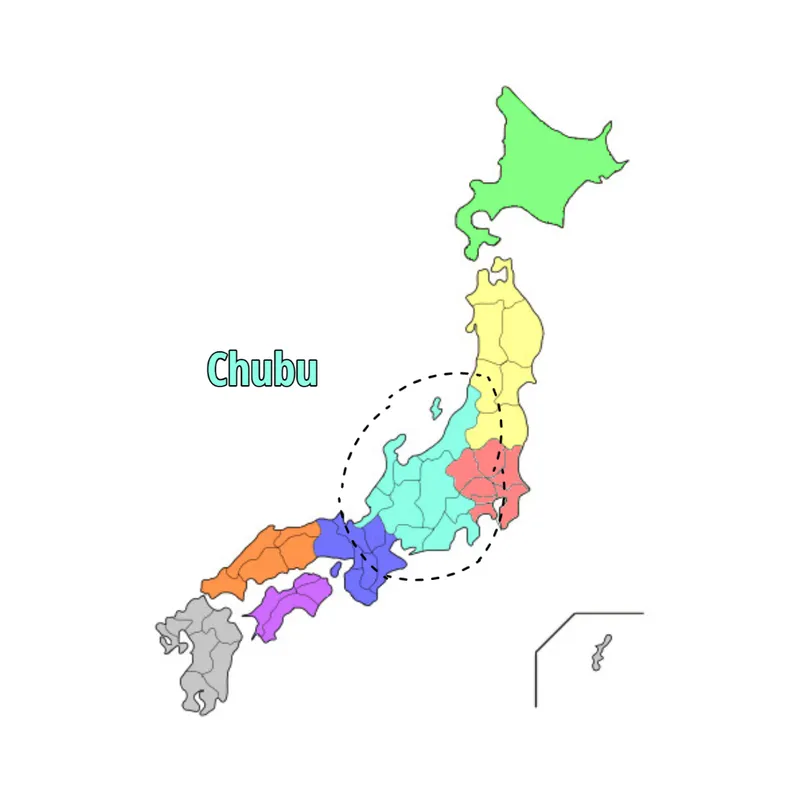
##Chubu Region
###Niigata Prefecture
####Mt. Hakkai
Mt. Hakkai is popular with locals and tourists alike all year round, with hiking and trekking in summer and skiing in winter. The autumn foliage always draws a big crowd, and those who don’t care to hike can opt to take the ropeway up the mountain instead.
Mt. Hakkai
###Toyama Prefecture
####Mt. Tateyama
Mt. Tateyama, along with Mt. Fuji and Mt. Hakusan, is known as one of Japan’s Three Holy Mountains, and it is the tallest mountain in the Tateyama Mountain Range. The Tateyama Kurobe Alpine Route that connects Tateyama and Kurobe is a particularly popular way to explore the area—in winter, the route’s “great snow walls” can reach up to 20 meters in height, and the Tateyama Ropeway that lies along the route is a wonderful way to enjoy the sights all year round.
Tateyama Kurobe Alpine Route
Tateyama Ropeway
###Ishikawa Prefecture
####Mt. Hakusan
Mt. Hakusan lies on the border of Ishikawa and Gifu, and it has been designated as one of Japan’s Three Holy Mountains. The mountain is actually a dormant volcano, and therefore known for its hot springs. The Hakusan National Park spans across the mountain and to the borders of the neighboring prefectures, and some of the park has also been designated as a UNESCO Man and the Biosphere Reserve.
Genpeibashi Bridge
###Fukui Prefecture
####Mt. Asuwa
Standing at only 116 meters in height, Mt. Asuwa is a small but lovely mountain. What it lacks in elevation it makes up for with plenty of flowers, including cherry blossoms and hydrangeas, as well as hiking trails and a beautiful view of Fukui City.
Mt. Asuwa
###Yamanashi Prefecture
####Mt. Fuji
A list of mountains in Japan would not be complete without the symbol of the country, Mt. Fuji. Mt. Fuji actually spans across the border of Yamanashi and Shizuoka prefectures, and it is the tallest mountain in the country. It is one of Japan’s Three Holy Mountains, and it has also been registered as a UNESCO World Cultural Heritage Site. Mt. Fuji remains an important symbol of culture, religion, and faith in Japan, and there are shrines located all around and on the mountain. It’s also considered somewhat of a rite of passage to make the climb to the summit, and many people try to time their arrival to see the sunrise from the top. The view is stunning and unlike no other, but don’t be fooled—it is a difficult trek, and hikers should make sure to prepare accordingly.
Mt. Fuji
###Shizuoka Prefecture
####Mt. Omuro
Standing at 580 meters tall, Mt. Omuro is a cinder cone volcano in Ito, Shizuoka. It is part of the Fuji-Hakone-Izu National Park, and it is also designated as a National Natural Monument. Due to its steep slopes, hiking is not allowed on the mountain, but visitors are welcome to take a ski-style chair lift up to the volcanic crater at the top where there are shops, an archery range, and (of course) beautiful views of the surrounding landscape.
Mt. Omuro
###Nagano Prefecture
####Ougatou Summit
At an elevation of 2034 meters, Ougatou Summit is the highest point of the Utsukushigahara Kogen Highlands. From here, visitors will have an unobstructed, 360-degree view of the vast plateau as well as a whopping 41 of the 100 Famous Japanese Mountains. Visitors are welcome throughout the year, but in winter you might be able to catch sight of a few rare natural phenomena such as rime ice, diamond dust, and sun pillars.
Ougatou Summit
###Gifu Prefecture
####Mt. Kinka
Previously called Mt. Inaba, Mt. Kinka lies at the center of Gifu City. It is not the tallest mountain in the city, but it is the most famous, housing Gifu Castle at its summit. There are four trails leading to the top for those wanting to hike the mountain, but there is also a ropeway that reaches the peak in only five minutes. In addition to the castle, the mountain also sports an archives museum, an observation deck and restaurant, and the Mt. Kinka Squirrel Village.
Mt. Kinka Ropeway
###Aichi Prefecture
####Mt. Chausuyama
Standing on the border between Aichi and Nagano prefectures, Mt. Chausuyama is the tallest peak in Aichi. The mountain lies within the Tenryu-Okumikawa Quasi-National Park, and it is popular for its skiing in winter and shockingly pink moss phlox in warmer months.
Mt. Chausuyama
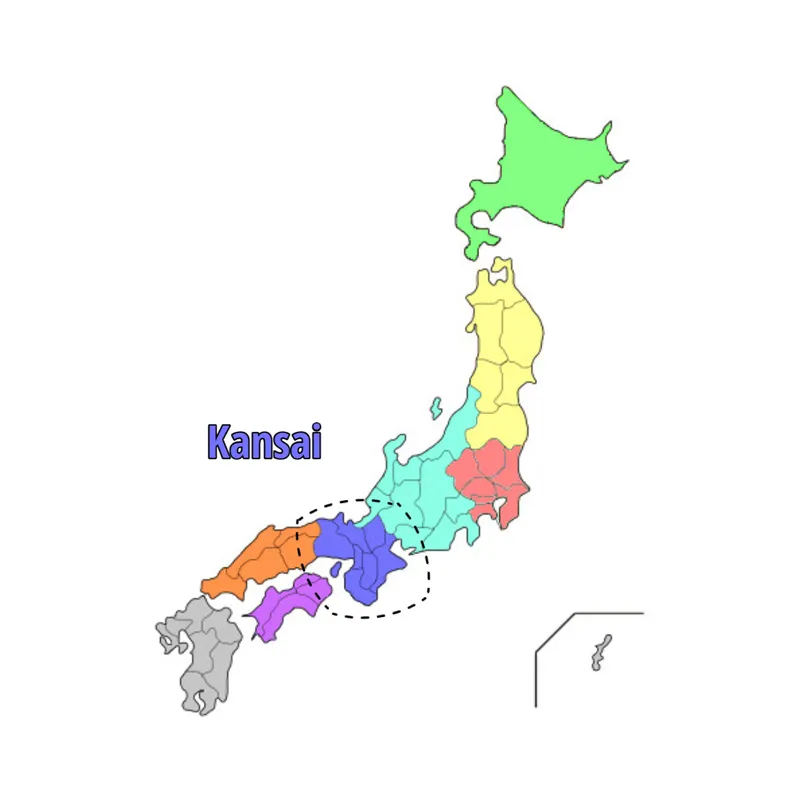
##Kansai Region
###Mie Prefecture
####Mt. Yokoyama
Located within the Ise-Shima National Park, Mt. Yokoyama of Shima City is most famous for its large-scale observation deck. From atop, visitors will have an unobstructed view of the Ago Bay and its 60+ islands and pearl boats. The deck is accessible by car, bike, or on foot, and it is outfitted with plenty of seats and a café offering refreshments.
Yokoyama Observation Deck
###Shiga Prefecture
####Mt. Hakodateyama
Mt. Hakodateyama is known for its fresh produce and hiking in spring through fall and its skiing in winter. The Hakodateyama Ski Resort is popular not only for its large amounts of high-quality snow, but also the variety of levels of courses. The mountain also offers a stunning view of Lake Biwa, the largest lake in Japan. A gondola ride will take visitors up to an elevation of 630 meters where they can gaze out at the rice fields and city below, the lake, and even as far as Mt. Ibukiyama.
Biwako Hakodateyama
###Kyoto Prefecture
Kyoto, the ancient capital of Japan, is known for its temples and shrines, but did you know that many of them are actually located on mountains? Mountains are often believed to house deities in Japan, leading to the construction of shrines and temples to worship them.
Fushimi Inari Taisha Shrine is one of the most famous shrines in the country, with its thousands of red torii gates covering Mt. Inari. Kuramadera Temple sprawls across Mt. Kurama, and visitors can choose to hike up the mountain and its many stairs or take a cable car. Mt. Arashiyama sports Okochi Sanso Teien Garden, a traditional Japanese strolling garden famous for its cherry blossom and maple trees as well as its view of Mt. Hieizan and the Kyoto cityscape.
####Mt. Inari
Fushimi Inari Taisha Shrine
####Mt. Kurama
Kuramadera Temple
####Mt. Arashiyama & Mt. Hieizan
Okochi Sanso Teien Garden
###Osaka Prefecture
####Mt. Katsuoji Minamiyama
Mt. Katsuoji Minamiyama is a quiet mountain in the northern part of Osaka Prefecture. Known for its cherry blossoms in spring and colorful foliage in autumn, it’s a popular spot for aspiring photographers. The mountain is also home to Katsuoji Temple, which worshippers will visit to pray for victory, success, and good fortune.
Katsuoji Temple
###Hyogo Prefecture
####Mt. Maya
Mt. Maya is a symbol of Kobe City, and the nightscape that can be seen from Kikuseidai, a spot near the top, is known as one of the Three Major Night Views of Japan, also known as a “10-billion-dollar nightscape.” The hike to the summit is not too difficult, so even beginners can enjoy nature during their climb, but there is also a railway and cable car called the Maya View Line for those wishing for a more laid-back trip.
Mt. Mayasan
###Nara Prefecture
####Mt. Yoshino
Designated alongside Mt. Fuji as a UNESCO World Heritage Site, Mt. Yoshino is particularly famous for its cherry blossoms. Over 30,000 cherry trees cover the mountain, and in spring the blossoms dye the entire mountainside pink. There are also a number of temples and shrines dotting the area.
Mt. Yoshino
###Wakayama Prefecture
####Mt. Koyasan
Located within the Koya-Ryujin Quasi-National Park, the entirety of Mt. Koyasan is considered sacred. Known as the Issan Temple Grounds, it boasts a total of 117 temple buildings including Kongobuji Temple, the head of Shingon Buddhism. The mountain is also home to a museum, mausoleum, and other monuments, and it is a popular site for both recreational hiking and pilgrimages.
Mt. Koyasan
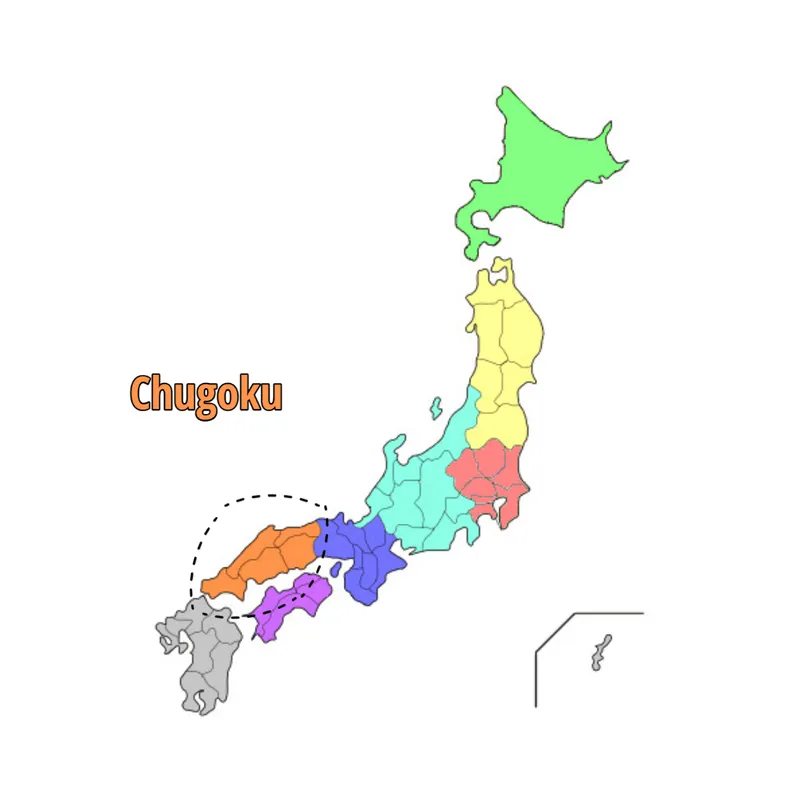
##Chugoku Region
###Tottori Prefecture
####Mt. Daisen
A popular location for nature observation and forest bathing, Mt. Daisen is popular among hikers in summer and skiers in winter. The summit offers a 360-degree view of the Sea of Japan, Yumigahama Peninsula, and Nakaumi Sea, and the paths to the top sport beech forests and untouched nature.
Mt. Daisen
###Shimane Prefecture
####Mt. Takuhiyama
Mt. Takuhiyama is located on Nishinoshima Island of Shimane Prefecture, which requires a ferry ride from the mainland to reach. The mountain trails are steep, but from the summit visitors will be able to gaze out at a view of the sea and townscape. Partway up the mountain is Takuhi Jinja Shrine, which was built into a hollowed-out rock wall and is surrounded by ancient cedar trees.
Takuhi Jinja Shrine
###Okayama Prefecture
####Mt. Washuzan
Mt. Washuzan is a small mountain located on the coast of the Seto Inland Sea, but it is famous for its view of the Great Seto Bridge and surrounding islands. In fact, the view after dark has been selected as one of the 100 Best Night Views of Japan, and the walk from the observation platform to the summit only takes around 30 minutes.
Mt. Washuzan
###Hiroshima Prefecture
####Mt. Misen
While Miyajima Island of Hiroshima is most famous for the floating torii gate of Itsukushima Jinja Shrine, it is also a mountain covered in lush greenery. Complete with walking paths as well as a network of ropeways, visitors who reach the summit will be rewarded with a stunning view of the mountain’s forest and the Seto Inland Sea
Mt. Misen
Miyajima Ropeway
###Yamaguchi Prefecture
####Mt. Hinoyama
Located inside the Setonaikai National Park, Mt. Hinoyama is not a large mountain, but it does boast some of the most beautiful scenery in Yamaguchi Prefecture. Hinoyama Koen Park sprawls across the summit, and it is known for its extensive tulip garden as well as a panoramic view of the Seto Inland Sea, the Kanmon Straits, and even as far as the Sea of Japan. In fact, the view from here after dark has been chosen as one of Japan’s Night View Heritage Sites.
Hinoyama Koen Park Turkish Tulip Garden
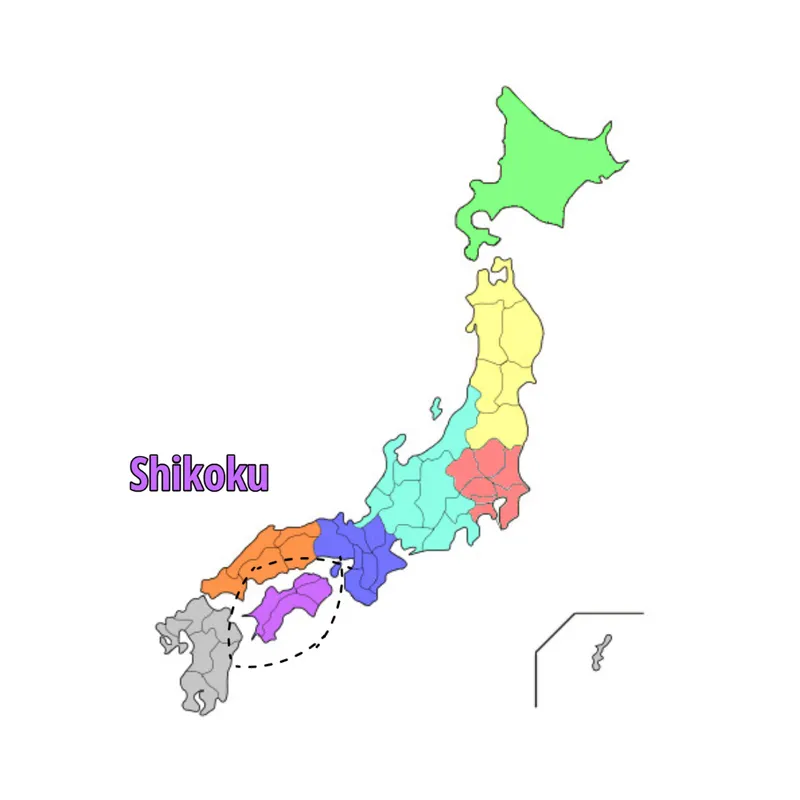
##Shikoku Region
###Tokushima Prefecture
####Mt. Tsurugi
Mt. Tsurugi is the tallest peak in Tokushima Prefecture, and it offers beautiful views of the surrounding hills. It is a popular hiking spot and a relatively easy climb; the entire mountain can be climbed in about two hours, or there is a chairlift visitors can use for a more leisurely trek.
Mt. Tsurugi
###Kagawa Prefecture
####Mt. Inazumi
Mt. Inazumi is located right on the coast, overlooking Kanonji City and the Seto Inland Sea. It is known for housing the Takaya Jinja Shrine, which in turn boasts the highest torii gate in the Shikoku region. The torii gate with the view in the background makes for stunning photographs, making it a popular destination for tourists, especially in autumn when the leaves begin to change.
Takaya Jinja Shrine
###Ehime Prefecture
####Mt. Ishizuchi
Mt. Ishizuchi is the tallest mountain in Shikoku, and it has also been designated as one of the 100 Famous Japanese Mountains. It is also known as one of the Seven Holy Mountains, and is considered a major center of the Shugendo sect. The area surrounding the mountain is also a part of the Ishizuchi Quasi-National Park.
Kirosan Tenbo Koen Park
###Kochi Prefecture
####Mt. Godai
Famous for its cherry blossoms and azaleas, Mt. Godai is home to a total of around 3,000 varieties of seasonal plants. It is surrounded by the Zekkai Pond as well as the Kokubu and Shimoda rivers, so the view from the observation platform at the summit offers a nice combination of blue and green in addition to the cityscape.
Mt. Godai
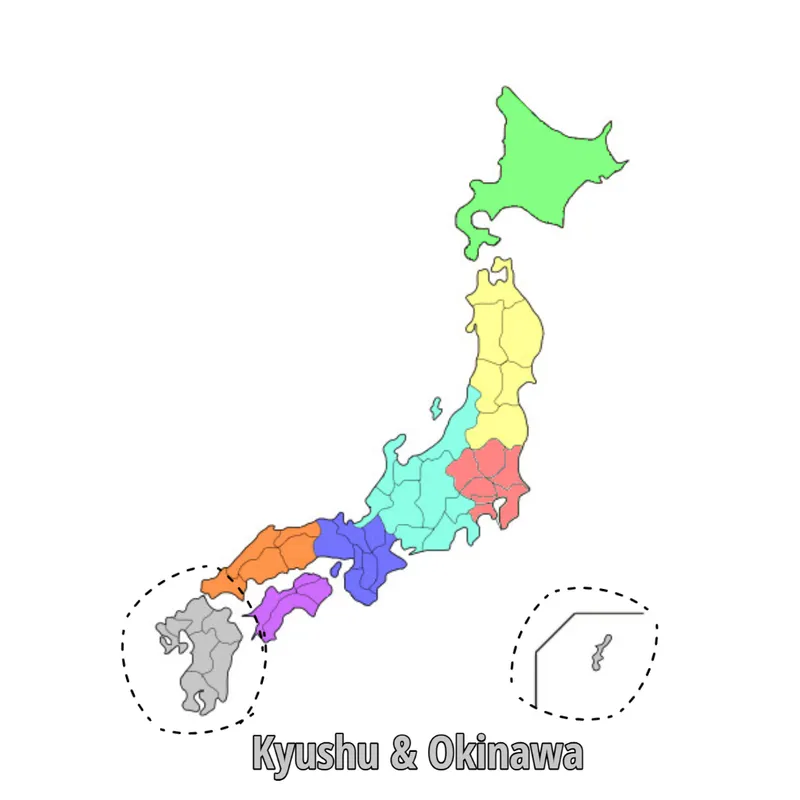
##Kyushu & Okinawa Region
###Fukuoka Prefecture
####Mt. Sarakurayama
The summit of Mt. Sarakurayama is well-known as the best place to enjoy the nighttime cityscape of Kitakyushu City. In fact, it is recognized as one of Japan's New Top Three Nightscapes and known as a “10-billion-dollar nightscape.” The Sky Dome located at the summit includes an observation deck and restaurant, and it can be reached by cable car or hiking trails.
Mt. Sarakurayama
###Saga Prefecture
####Mt. Mifuneyama
While not the most famous mountain in the country, Mt. Mifuneyama of Saga Prefecture is known for its unique shape and plethora of colorful flowers. A garden called Mifuneyama Rakuen spreads out along the base of the mountain, covering the ground in a carpet of azaleas and hydrangeas.
Mifuneyama Rakuen
###Nagasaki Prefecture
####Mt. Inasa
The view from the summit of Mt. Inasa is renowned not only in Japan, but throughout the entire world. In fact, the illuminated nighttime cityscape of Nagasaki viewed from the mountain’s observatory has been named one of the top three nightscapes in the world, and it is also recognized as one of Japan's New Top Three Nightscapes. A short hike will take visitors to the top, and the mountain is also outfitted with a ropeway.
Mt. Inasa
###Kumamoto Prefecture
####Daikanbo Peak
At 936 meters, the summit of Daikanbo Peak offers a spectacular view of not only the surrounding town and rice paddies, but also Mt. Aso and the Kuju Mountain Range. The vibrant green of spring and summer makes for a beautiful landscape, but particularly popular among tourists is the sea of clouds that appears at times during autumn and winter.
Daikanbo Peak
###Oita Prefecture
####Kuju Mountain Range
The Kuju Mountain Range includes several volcanic bodies and multiple peaks, including the highest peak in Kyushu. It is part of the Aso-Kuju National Park, and has also been designated as one of the 100 Famous Japanese Mountains. The Kuju Mountains are also home to a number of other sights, including Kuju Flower Park, which boasts 220,000 square meters of flower gardens surrounded by the towering peaks.
Kuju Flower Park
###Miyazaki Prefecture
####Ikoma Kogen Plateau
The Ikoma Kogen Plateau extends all the way to the base of the Kirishima Mountains and boasts an altitude of 550 meters. The plateau is famous for its sprawling flower beds, namely cosmos in autumn, poppies in spring, and rose mallow and scarlet sage in summer.
Ikoma Kogen Plateau
###Kagoshima Prefecture
####Sakurajima Island
A symbol of Kagoshima Prefecture, Sakurajima Island is an active volcano that to this day constantly emits a stream of ash. There are three observatories on the island that offer scenic views and information on the volcano and lava flows. The island is accessible by ferry from the mainland, and its trails that cover the entire circumference make it a popular place for walking and cycling.
Sakurajima Island
###Okinawa Prefecture
####Mt. Tsuhayama
Okinawa Prefecture is mainly known for its beaches, but there are plenty of places to hike and enjoy greenery as well. Mt. Tsuhayama is located in the northern part of Okinawa Island, the largest island in the prefecture. While on the small side, the mountain boasts lush greenery and wildlife as well as rivers and waterfalls.
Tadaki Waterfall