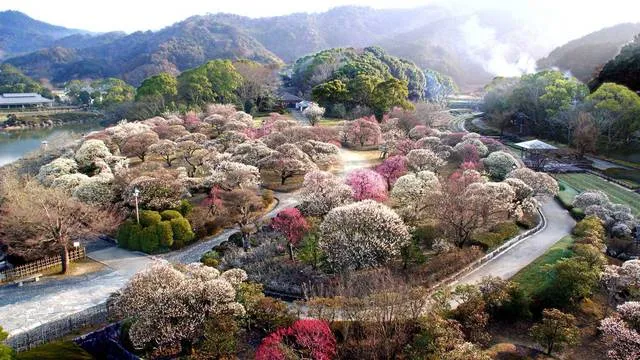
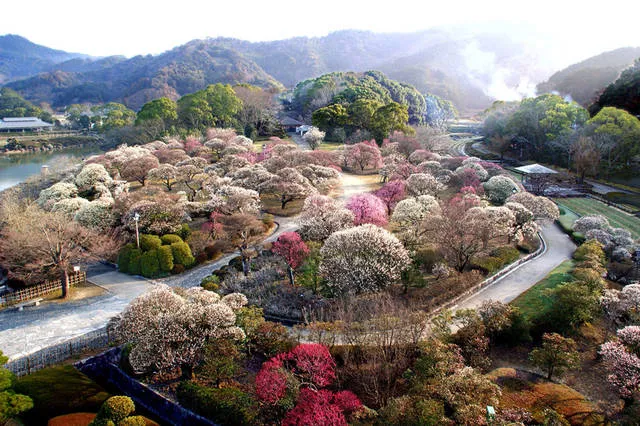
Nanrakuen Garden in Ehime Prefecture, Shikoku, is one of the most extensive Japanese gardens in Shikoku.From late January to early March, the 160 plum trees in the garden bloom, signaling the end of winter and the beginning of early spring.Enjoy the bewildering design of the garden, appreciate the plum blossoms, and have some plum tea.
View on FacebookNanrakuen Garden in Uwajima City, Ehime Prefecture
【候補写真あり】Does taking a stroll in a serene Japanese garden, and enjoying the simple natural setting designed to inspire reflection, sound appealing to you? Well then, Nanrakuen garden in Uwajima city, Ehime Prefecture, is the perfect place to go.
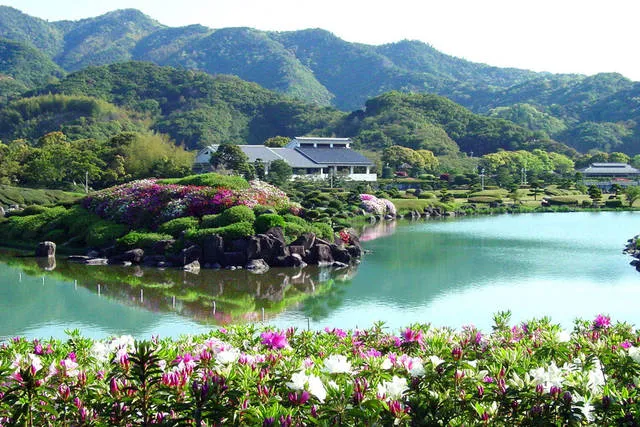
Literally translated to “southern paradise”, Nanrakuen garden is located in Japan’s fourth largest island, Shikoku, located southwest of the main island, Honshu. It is a Japanese garden that is larger than 15 sports fields (153,322 square meters or 15.3 hectare), making it one of the biggest Japanese gardens in Shikoku. In 1989, it was selected as one of the top 100 urban parks in Japan by Parks and Open Space Association of Japan.
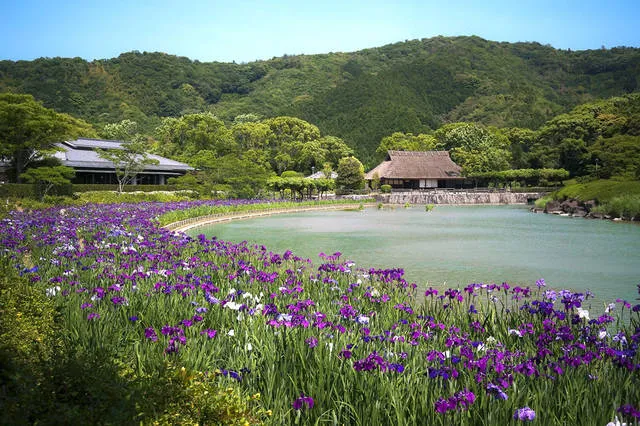
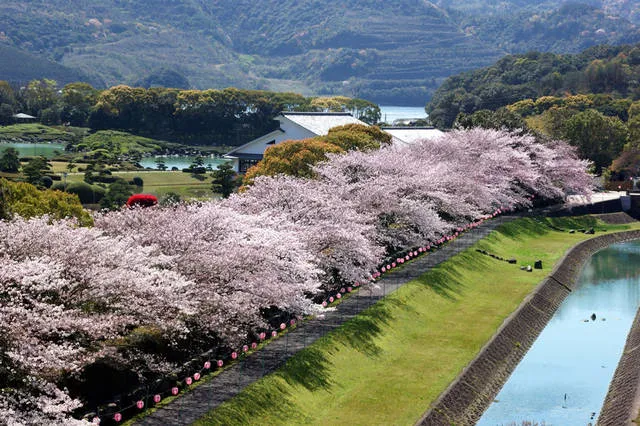
All of Japan’s four distinct seasons can be enjoyed there. In June, they have an iris festival, in September, they cook potatoes outdoors (an Ehime tradition) and in fall, foliage is beautiful and mesmerising. But our most recommended season to go is when the plum trees are in full bloom between late January and early March. In Japan, blooming plum trees are a sign that winter has ended and spring is just around the corner.
Plum blossom Festival at Nanrakuen Garden
【候補写真あり】Traditionally, plum trees were believed to ward off danger, which is why you’ll find many of them planted by the gates of temples, shrines, and backyards of traditional houses. But you would have to visit Nanrakuen garden where there are 160 plum trees planted, to see so many of them together in one place.
The garden has 15 different types of precious plum trees. The easiest way to see the difference is the colors-- they vary from white, light pink, pink, to dark pink. Each flower usually has five round petals, and a sweet fragrance. Unlike cherry blossom season, there are many sunny days during plum blossom season and the colors of the plum flowers against the spring's emerald blue, cloudless sky is stunningly beautiful.
During this season, the garden hosts a plum blossom festival-- which means, you'll find plum related activities throughout the garden.
If you step foot in the Umemi Teahouse, you will be offered a free cup of plum tea. Before you drink the tea, you use chopsticks to let the pickled plum dissolve in your tea. They also sell amazake and red bean soup. Near the playground, they usually have two fun events going on. One is a pickled plum seed-spitting tournament, where participants compete on how far they can spit their plum seed. The other is a rice cake catching event, where participants all try to catch the rice cakes that are being thrown into the air. Participate, for an interesting experience.
If you prefer the quiet though, you can always bring some food and have a picnic by the plum trees to enjoy a view of the flowers. If you don’t have any food with you, you can have lunch at the wabisuke restaurant inside the garden. It offers lunch plates only available during plum tree festival season. Usually that means food with pickled plums, like tempura with pickled plums, and strawberries (the fruit of the season) for desert.
Souvenirs are also available inside the park. During the plum blossom season, a lot of the things they sell are plum related- like plum snacks. They also usually have a display of zashikibina or dolls used for a traditional doll festival in Ehime Prefecture that celebrates the birth of a first daughter. The zashikibina dolls are displayed beautifully with a traditional Japanese landscape in the background.
So visit Nanrakuen Garden for the plum blossoms. Take a stroll in the large traditional Japanese garden, appreciate the bewildering design, try drinking plum tea, and try taking part in one of the tournaments if you feel like it. Rest and recuperate at this garden!
Nanrakuen Garden area and Uwajima City
【候補写真あり】Having said that, if you want to be more active, you can enjoy an active day outdoors at the Nanrakuen Garden area. After walking through the Nanrakuen Garden, you can go to the Nanrakuen Family Park and Tsushima Play Land, where you can enjoy roller-skating and go-carts. If you go in February, it’s also a good idea to visit Yamamoto Tourism Park (Yamamoto Kanko Nouen) where you can experience all-you-can-pick-and-eat strawberries for 60 minutes. At the end of the day, you might also want to stop by the Tsushima Yasuraginoyu Roadside Station where you can dip your feet into a free-for-all hot spring, to take away the travel fatigue.
If you want to experience something cultural while you are in Uwajima city, the Uwajima Castle is a must-see. It’s one of Japan’s 12 original surviving castles. First constructed in 1596, the Japanese government has selected the castle as important cultural property. Inside the castle, you can enjoy the view of Uwajima city and Uwajima bay.
Photos of Nanrakuen
How to Visit?
Take a domestic flight from Haneda Airport to Matsuyama Airport (approx. 90 minutes). It's about a two-hour car ride from Matsuyama Airport.Address:
1813 Chikaie, Tsushima-cho, Uwajima City, Ehime Prefecture, 798-3302
Tel: +81-(0)895-32-3344 (Nanrakuen Garden)
Reference List
http://uwajima-tourism.org/en/
https://kaizoku-ehime.jp/events/34697/