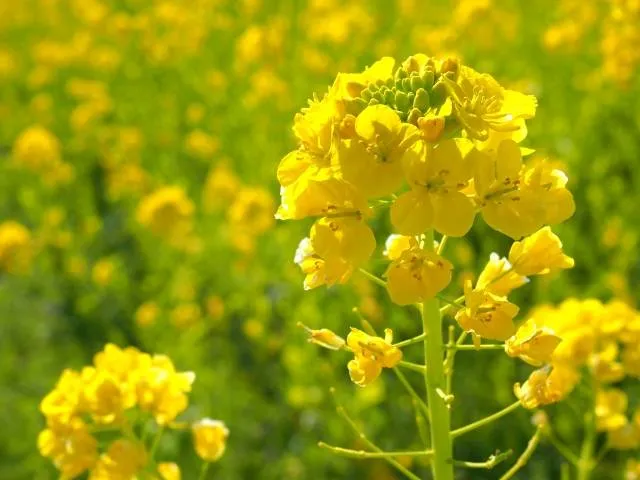
Gaze at beautiful yellow Nanohana or canola flowers at FukuFuku No Sato, a local farmers market in Fukuoka.Refresh yourself with flowers and boost your energy with the farmers market's fresh vegetables and fish.
Summary
Gaze at beautiful yellow Nanohana or canola flowers at FukuFuku No Sato, a local farmers market in Fukuoka. Refresh yourself with flowers and boost your energy with the farmers market's fresh vegetables and fish.
Brighten Your Day with Yellow Nanohana Flowers
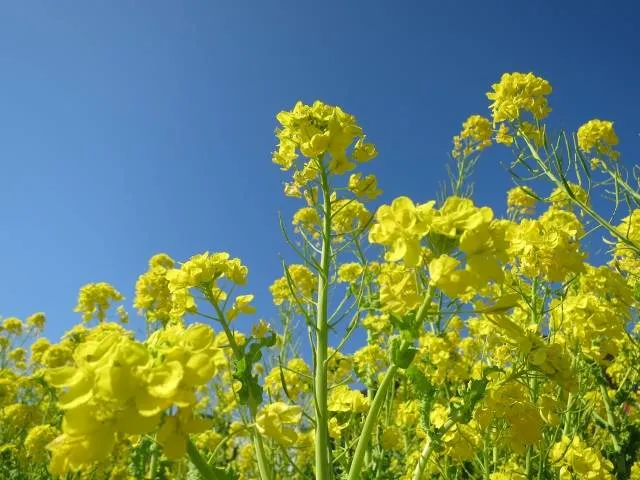
Yellow, yellow, yellow-- everywhere you look-- and not different shades of yellow but the same one. FukuFuku no Sato, a local farmer's market in Itoshima city in Fukuoka, turns yellow with Nanohana or canola flowers (also known as Rape Blossom) every year at the end of February to the end of March.
Apparently, the meaning of Nanohana is “lively” or “active.” Not to mention, yellow is a color of optimism. So seeing a whole bunch of them will definitely lift your spirits during a season that is still cold, with many people wearing dark winter clothes. In fact, nanohana garden is what this market is most known for. With the early spring blue sky, the passing red JR Chikuhi train in the background, and the yellow canola flowers, you have a beautiful sight of the three primary colors right in front of you. You’ll see many visitors with their cameras and phones out at the “nanohana viewing platform” to capture the very moment the JR Chikuhi train passes by.
Nanohana blooms from December to May but the best time to visit in February and March. Looking at pictures of the yellow flowers in full bloom, you might imagine warm weather but February and March are still early spring, and the wind is still chilly. You would need a jacket especially if you plan to stay outside gazing at the flowers and the train for a while.
After taking a stroll by the flowers, step inside the market.
FukuFuku no Sato:What Do They Sell?
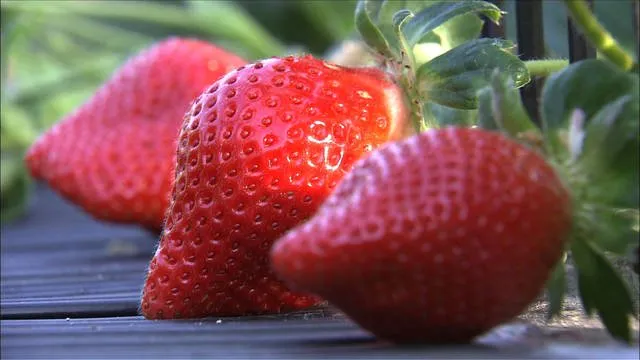
Inside the market, you'll feel like you're taking a peek into local Japanese countryside life. Farmers and fishermen's wives wearing FukuFuku No Sato aprons and caps are having friendly conversations with their customers. There are little tourists and many locals. Most vegetables and fish for sale were harvested or caught that morning.
Here are the three best things to do in the market: exploring the vegetable section, the fish section, and the processed food section! Some food sells out in the morning, so it’s best to travel early if you want to see a variety of everything on the shelf (on most days, the market opens at 9 AM and closes at 5 PM).
1. The Vegetables Section: Pick Out Local Fruits and Vegetables
The first place you walk into when you enter the door to the market is the vegetable section. A wide variety of seasonal vegetables from neighboring farms are sold here. Vegetables can be very pricey in supermarkets in Tokyo. One example is bamboo shoot. Bamboo shoots are in season from February to May and can be expensive to buy in the city, but here you can expect to find bigger ones for a lower price. All seasonal vegetables sold here are affordable and super fresh because the farmers themselves bring their freshly harvested seasonal vegetables straight from neighboring farms in the morning. Sometimes you’ll see them adding vegetables onto shelves in the afternoon too. It should also be noted that the market’s motto is to provide “food that is kind to people and nature” and so conducts pesticide residue inspection on a regular basis to make sure all the vegetables sold there are safe to eat.
The first place you walk into when you enter the door to the market is the vegetable section. A wide variety of seasonal vegetables from neighboring farms are sold here. Vegetables can be very pricey in supermarkets in Tokyo. One example is bamboo shoot. Bamboo shoots are in season from February to May and can be expensive to buy in the city, but here you can expect to find bigger ones for a lower price. All seasonal vegetables sold here are affordable and super fresh because the farmers themselves bring their freshly harvested seasonal vegetables straight from neighboring farms in the morning. Sometimes you’ll see them adding vegetables onto shelves in the afternoon too. It should also be noted that the market’s motto is to provide “food that is kind to people and nature” and so conducts pesticide residue inspection on a regular basis to make sure all the vegetables sold there are safe to eat.
2. The Fish Section: Fresh Fish- For Here or To Go?
Itoshima’s ocean is walking distance from the market, so it’s no surprise when we say the fish sold here come straight from Itoshima’s clean ocean. You will see fresh fish such as squid, shrimp, turbo Sazae shells (or sea snails), Suzuki fish lined up in front of you. You will find fish that you won’t usually see lined up at supermarkets in Japan. Just like vegetables, if you come from the city, you will be amazed at the prices and the quality of the fish sold here.
Head’s up to those interested in having breakfast or lunch here- they will cook your fish for free. If you are staying in a place with no kitchen, you probably won’t want to buy fish to take home with you. Here, the wives of Itoshima fishers stand by the kitchen to cook a dish for you with the fish of your choice. You can also ask them for cooking advice so you can have a delicious meal right there on the spot. Go early though, because this service is only available until 3:30 PM.
3. The Processed Food Section: Homemade by Local Farmers
Here they sell homemade food that is good for the body. Examples are pickles, jam, various spices, and honey. You might find a healthy and delicious midnight snack or a souvenir for a friend. There are other sections at the market, such as the tofu section, Japanese bento (lunch box) section, rice, plants, flowers, and meat section.
FukuFuku No Sato is definitely an exciting place to visit, especially for gourmets.
Beautiful Beach of Itoshima City
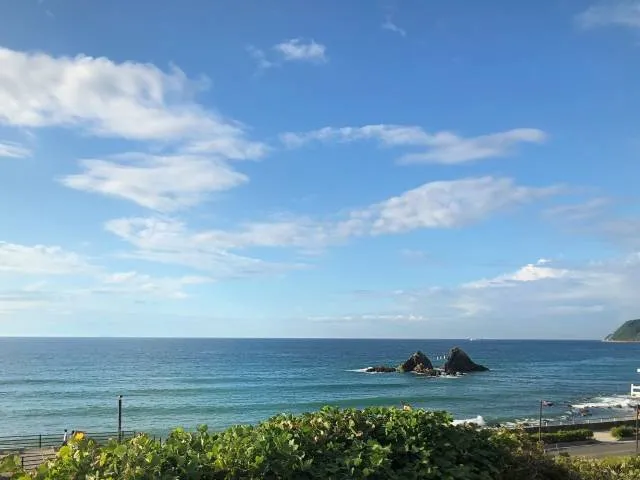
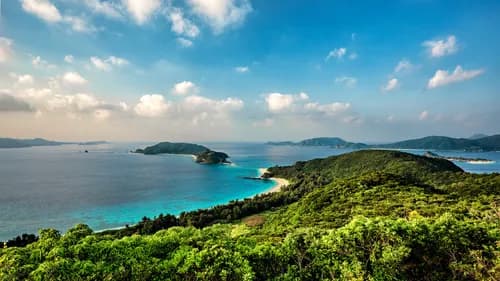
Itoshima is a beautiful city with white sandy beaches and a crystal clear ocean. It’s a great place for driving, taking it easy, and eating fresh vegetables and fish. The most popular place to visit is the Sakurai Futamigaura beach. Visited all seasons, people go there to see the white Torii gate in the water between a pair of two large rocks and the sandy beach. The pair of rocks is called the Fu-fu-iwa or married couple rocks. You can see the sunset go down between the two rocks, which is a beautiful sight. It’s a popular date spot and is believed to bring good luck to couples. If you are traveling as a couple, why not visit this romantic location to take a break and talk about how much you appreciate one another?
When in Fukuoka, fit Itoshima into your schedule, and enjoy some local down time. A fun course would be to have lunch at FukuFuku No Sato, then take it easy and watch the sunset at Sakurai Futamigaura beach.
Google Street View
How to Visit?
Take a plane from Tokyo (Haneda) to Fukuoka Airport (2 hours). From Fukuoka Airport, go on the Fukuoka Subway Airport Line bound for Nishikaratsu until Meinohama Station (25 min). From Meinohama Station, go on the JR Chikuhi Line bound for Nishikaratsu to Fukuyoshi Station (43 min). Walk from JR Fukuyoshi Station to Fukufuku no Sato (15 min).
Address: 6333 Nijofukui, Itoshima city, Fukuoka 819-1631
Tel: +81-92-326-6886
Address: 6333 Nijofukui, Itoshima city, Fukuoka 819-1631
Tel: +81-92-326-6886