Kanazawa
A City That Never Stopped Cutting — A Garden Shaped by Hand for 180 Years, Then Six Seats Inside a Knife Shop
Kenrokuen looks effortless because someone is always pruning it. Matcha in the room the garden grew out of, then a counter in Higashi Chaya where the blade that cut your fish is on the wall behind you and you roll each piece yourself
Time of day
AM
Maximum Participants
Up to 6 people
Languages
Japanese, English
Meeting place
Kenrokuen, Katsurazaka Gate
Overview
Nothing in Kenrokuen is allowed to simply grow.
The pines are shaped by hand every year. Branches that reach too far over the water are cut; branches that don't reach far enough are trained until they do. Every November, poles go up and ropes are strung from their tops to the outer limbs, holding them against snow that may not arrive. The garden reads as calm and inevitable, and it is the product of continuous, deliberate cutting by people whose job title has existed here for three hundred years.
You'll walk it for half an hour with someone who can point at a branch and tell you it was decided. The two-legged Kotoji lantern, the pond that fills the middle of the garden, the pine carried here from Lake Biwa, and the fountain still driven by a canal cut in 1632 with nothing but the height of the water behind it.
Then tea, in the reconstruction of the villa the garden began as: one room built in 1676 for taking tea beside a pond, torn down in the Meiji era, rebuilt in 2000 from surviving floor plans. Matcha and a seasonal sweet on tatami, facing everything that came afterwards.
And then the other blade. In Higashi Chaya, a six-seat counter that opened in 2026 inside a Japanese knife showroom — the knives on the wall are the ones working in front of you, and you can buy the one you watched. Fish arrives from the Kanazawa market each morning; some of it is aged before it reaches the board. Each piece comes to you a third larger than usual and unwrapped: you lay it on the nori yourself and eat it in two bites, so the flavour turns halfway through. Rice from Ishikawa, nori from a long-established house, a sweeter soy from western Japan, salt worked with scallop and kombu.
Two crafts that look like restraint and are actually decision after decision, in one morning. You finish at lunch, at a counter, in a room that sells the tools.
Operated by

Locals available to lead this activity
These Locals have trained for this activity. Your Locals is assigned after you request to book.


Route
- 1
Kenrokuen Garden
Every branch was decided
Thirty minutes with your guide reading the garden as maintenance rather than scenery: which pines are trained and how, what the yukitsuri ropes actually do, the Karasaki pine brought from Lake Biwa, the Kotoji lantern, and Japan's oldest fountain, still fed by a canal cut in 1632.
More Information →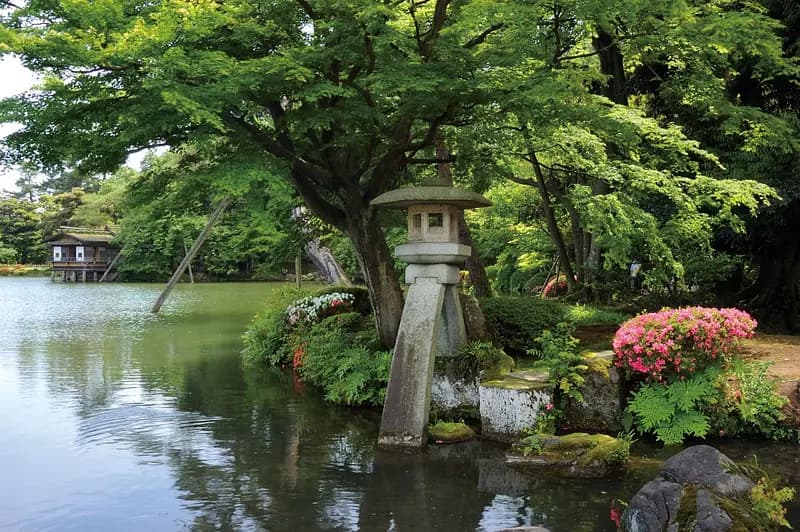 1 / 8
- 2
Gyokusen-an Tea House (Gyokusen'inmaru Garden)
Tea in the room the garden grew out of
Tatami seating, the garden filling the window, a seasonal wagashi and a bowl of matcha. Not a formal ceremony to sit through — the way tea has actually been taken in this room: unhurried, in conversation. Your guide walks you through the order of things and what the season has to do with what you're holding.
More Information →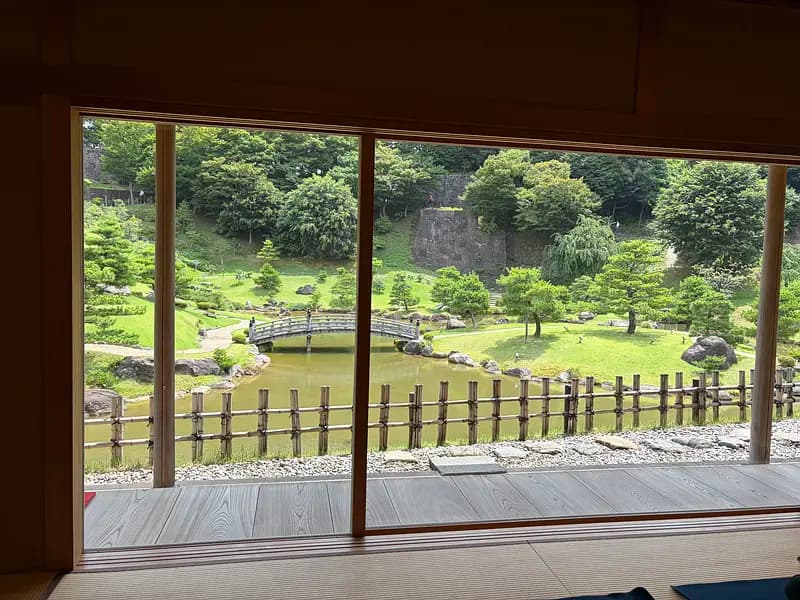 1 / 8
- 3
Six seats, and the blade behind you
Seventy-five minutes at the counter after a short transfer across the river. Hand rolls built in front of you from fish landed that morning, sides, and a katsuo dashi soup — each piece wrapped by you. Your guide talks with the chef on your behalf: what came in today, what was aged and for how long, and why a restaurant would put its knives on the wall for sale. Ends around 12:45 in Higashi Chaya.
What's included
- Customized itinerary
- Guided Experience
- Local insights and insider tips
- Entrance fees
- Food and drink
- English-speaking WOW U Local guide throughout (3 hours) - Kenrokuen admission Matcha and seasonal sweet - Hand roll set and soup at Itto - Interpretation with the chef throughout
Not included
- Transportation fee
- Other personal expenses
- Hotel pickup and drop-off - Taxi fare between stops, if chosen - Additional dishes and drinks - Personal shopping, including knives
What happens after you request
- 1
Send your request
Pick your dates and party size and send a request. No payment yet.
- 2
Decide the details together
Chat with the Locals to work out the date, plan, and final price together.
- 3
Pay securely
Once confirmed, pay through a secure link to lock in your booking.
- 4
Enjoy your experience
Meet your Locals host on the day and enjoy. You can leave a review afterwards.
For cancellation fees, see our Cancellation Policy.
Meeting point
Kenrokuen, Katsurazaka Gate
1 Kenrokumachi, Kanazawa, Ishikawa 920-0936, Japan
Things to know
◾️ Good to know
Please arrive at Kenrokuen's Katsurazaka Gate by 9:45.
Maximum 6 participants — the counter has six seats in total.
The teahouse is tatami seating. Let your guide know at booking if sitting on the floor is difficult.
Please tell your guide at booking about allergies, shellfish included, and about anything you'd rather not be served raw.
Transfer between the garden and Higashi Chaya is about 25 minutes on foot or 10 by taxi — taxi fare is not included; tell your guide which you'd prefer.
The garden is gravel throughout; flat shoes are a good idea. Kenrokuen admission, the teahouse and the meal are included.
This activity ends at lunch and pairs well with an afternoon in Higashi Chaya — your guide will leave you with recommendations.
More to explore in Kanazawa
Spots in the same area as this activity. Some may be a train or car ride away.
Kanazawa
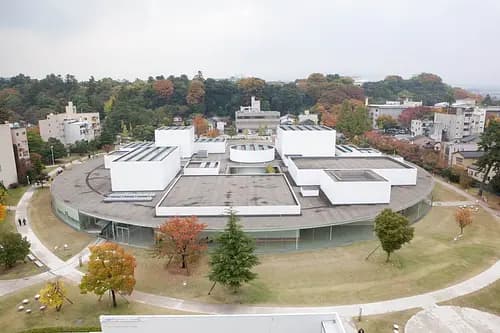
21st Century Museum of Contemporary Art
Stand beneath a pool — the water is only an illusion above you.
Kanazawa
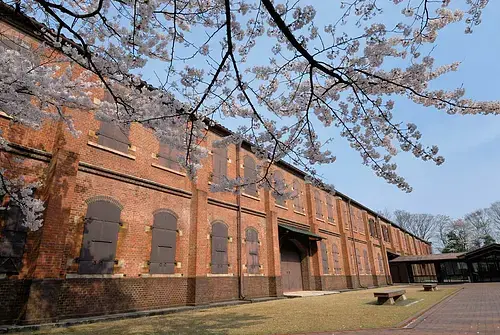
Ishikawa Prefectural Museum of History
Walk samurai Kanazawa's centuries, from clan rule to modern craft.
Kanazawa
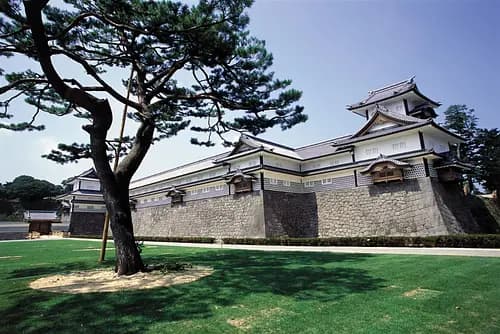
Kanazawa Castle Park
400-year-old stone walls rebuilt by hand, blossom-ringed each spring.
Kanazawa
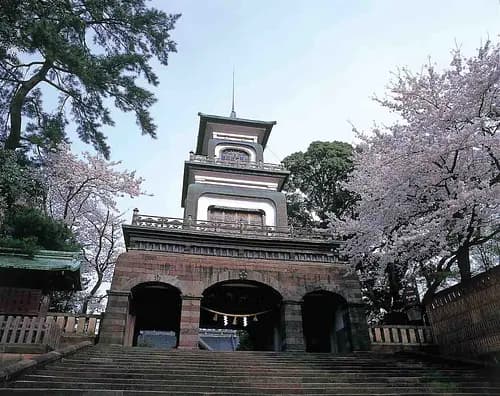
Oyama Jinja Shrine
A shrine gate fusing Japanese, Chinese, and Dutch styles — built in 1875.