Kanazawa
The Same Water, Four Hundred Years Apart — A Garden Running on a Canal Cut in 1632, Then 120 Sakes Made From What Falls on the Same Mountains
Kenrokuen's fountain has no pump and never did. Matcha in the room the garden grew out of, then a room in Higashi Chaya where you taste your way through a prefecture's breweries and leave with the bottle you liked
Time of day
AM
Maximum Participants
Up to 6 people
Languages
Japanese, English
Overview
In 1632 the Maeda clan cut a canal eleven kilometres long to bring river water into the castle. It is still running. Inside the garden, that water reaches a fountain that has no pump and never had one — it rises because the pond behind it sits higher, and that is the entire mechanism. It is the oldest fountain in Japan, and it is a piece of seventeenth-century plumbing doing its job in front of you.
Everything in Kenrokuen is downstream of that decision. The ponds, the streams cut through the middle of the garden, the pine trained sideways over the water: this is a garden that exists because someone solved a water problem four hundred years ago.
Your guide walks you through it for half an hour — the two-legged Kotoji lantern where the streams meet, the Karasaki pine brought here from Lake Biwa, the yukitsuri ropes in season, and the canal itself. Then tea in the reconstruction of the villa the garden started as: one room, built in 1676 for taking tea beside a pond, rebuilt in 2000 from surviving floor plans. Matcha and a seasonal sweet on tatami.
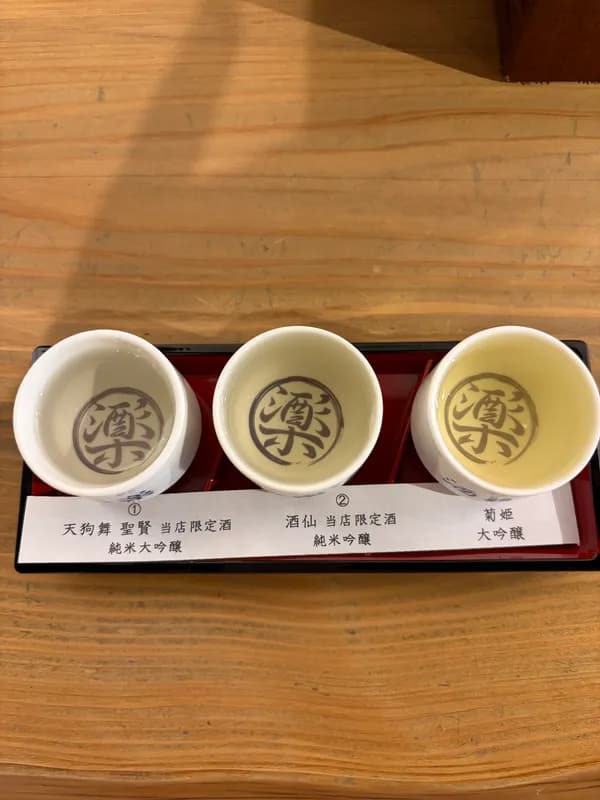
The second half is the same subject in a different form. Ishikawa's breweries run on snowmelt off the same mountains that feed the canal — soft water, cold winters, and rice grown close by. In a room in Higashi Chaya, a hundred and twenty of the prefecture's sakes are open and pourable in small measures, and your guide reads the parts of the label that visitors never get told: where the water is from, how far the rice was polished and why that changes what you taste, which of these breweries is a family of three and which ships nationally.
You taste across the range with someone explaining the differences as they land, and you leave with a bottle of whichever one you kept going back to.
Water that built a garden, and water that became a drink. Same mountains, four centuries apart.
Operated by

Locals available to lead this activity
These Locals have trained for this activity. Your Locals is assigned after you request to book.


Route
- 1
Kenrokuen Garden
【Kenroku-en Garden】A garden built on a plumbing problem
Thirty minutes with your guide following the water: the 1632 canal, the fountain that rises on pressure alone, the streams that split the garden, the Kotoji lantern where they meet, and the Karasaki pine brought from Lake Biwa.
More Information →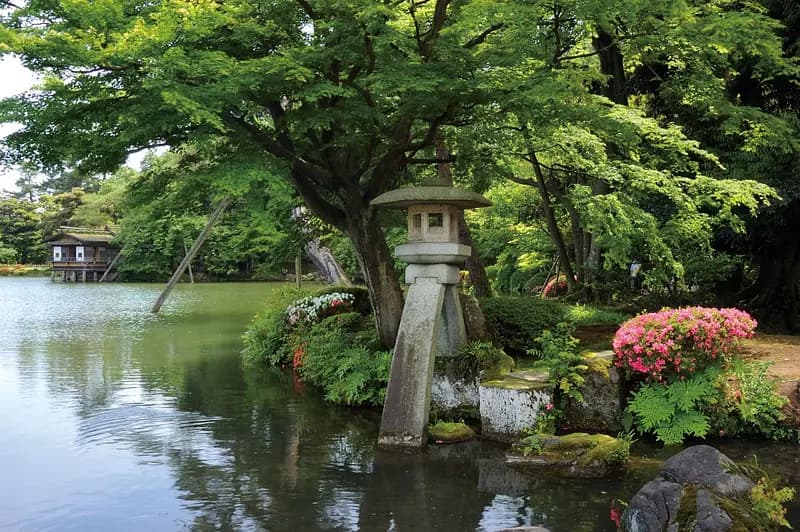 1 / 8
- 2
Gyokusen-an Tea House (Gyokusen'inmaru Garden)
【Gyokusen-an】Tea in the room the garden grew out of
Tatami seating, the garden filling the window, a seasonal wagashi and a bowl of matcha. Not a formal ceremony to sit through — the way tea has actually been taken in this room: unhurried, in conversation. Your guide walks you through the order of things and what the season has to do with what you're holding.
More Information →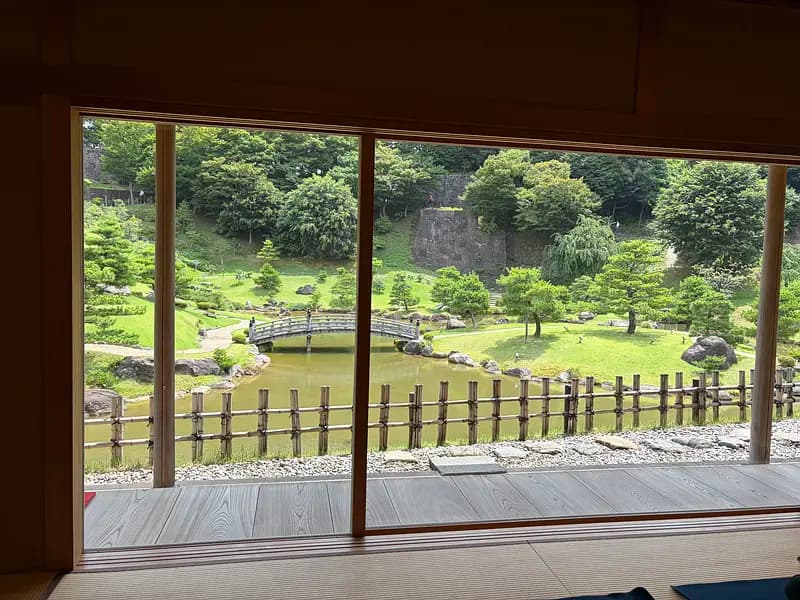 1 / 8
- 3
【Shuraku - Japanese Sake Tasting - 】A hundred and twenty of them, all from here
After a short transfer, an hour in a room where the whole prefecture is open at once. Small pours across styles, with your guide translating what's actually on the label — water source, polishing ratio, the size of the brewery — and pointing you at the ones that suit what you've said you like. You leave with a bottle. Ends around 13:00 in Higashi Chaya.
 1 / 4
What's included
- Customized itinerary
- Guided Experience
- Local insights and insider tips
- Entrance fees
- Food and drink
- English-speaking WOW U Local guide throughout (3 hours) - Kenrokuen admission - Matcha and seasonal sweet at Gyokusen-an - Sake tasting flight at Higashiyama Shuraku, plus one bottle to take away Interpretation and label reading throughout
Not included
- Transportation fee
- Other personal expenses
- Hotel pickup and drop-off - Taxi fare between stops, if chosen - Additional bottles and drinks - Shipping fees, if you choose to send bottles home - Personal shopping
What happens after you request
- 1
Send your request
Pick your dates and party size and send a request. No payment yet.
- 2
Decide the details together
Chat with Ishikawa Locals Network to work out the date, plan, and final price together.
- 3
Pay securely
Once confirmed, pay through a secure link to lock in your booking.
- 4
Enjoy your experience
On the day, Ishikawa Locals Network will meet you at the meeting point. You can leave a review afterwards.
For cancellation fees, see our Cancellation Policy.
Things to know
◾️ Good to know
Please arrive at Kenrokuen's Katsurazaka Gate by 10:00.
The sake tasting is for guests aged 20 and over, as required by Japanese law.
Under-20s are welcome on the garden and teahouse portion and can join the room with a soft drink.
Maximum 6 participants — always private, never merged with another group.
The teahouse is tatami seating. Let your guide know at booking if sitting on the floor is difficult.
Transfer between the garden and Higashi Chaya is about 25 minutes on foot or 10 by taxi — taxi fare is not included; tell your guide which you'd prefer.
One bottle of sake per guest is included; anything further is your own purchase.
Sake ships home from the shop in most cases — ask your guide on the day if you'd rather not carry it. Kenrokuen admission, the teahouse and the tasting are included.
More to explore in Kanazawa
Spots in the same area as this activity. Some may be a train or car ride away.
Kanazawa
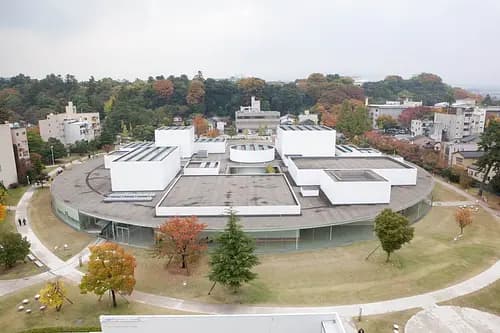
21st Century Museum of Contemporary Art
Stand beneath a pool — the water is only an illusion above you.
Kanazawa
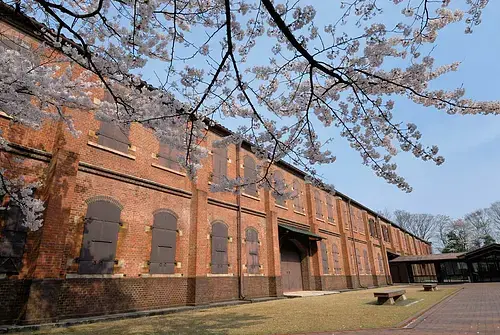
Ishikawa Prefectural Museum of History
Walk samurai Kanazawa's centuries, from clan rule to modern craft.
Kanazawa
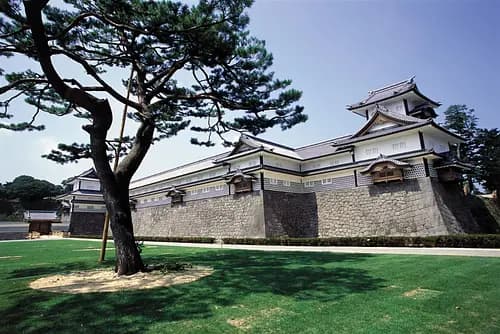
Kanazawa Castle Park
400-year-old stone walls rebuilt by hand, blossom-ringed each spring.
Kanazawa
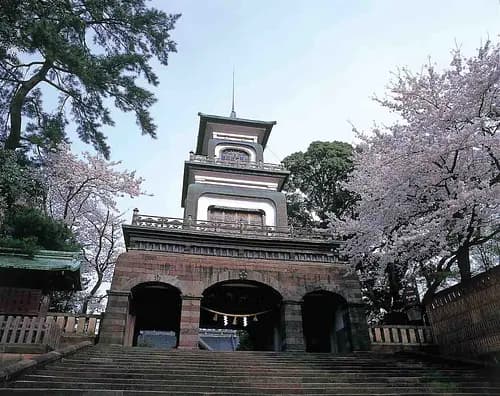
Oyama Jinja Shrine
A shrine gate fusing Japanese, Chinese, and Dutch styles — built in 1875.