In Japan, people say that fall is the best season to have a good appetite. One of the biggest reasons is because fall is the season for harvesting crops. Especially in the fall, there is much great seasonal food, and if you would like to enjoy them, Yamanashi is the perfect place to visit.
Summary
In Japan, people say that fall is the best season to have a good appetite. One of the biggest reasons is because fall is the season for harvesting crops. Especially in the fall, there is much great seasonal food, and if you would like to enjoy them, Yamanashi is the perfect place to visit.
Autumn: A Ppopular Gourmet Season in Japan
Known to many as “the harvest season” in Japan, fall is also said to be “the season for fruit.” People can savor the freshly harvested rice, and can also enjoy a lot of kinds of fruit, mushrooms, fish, and vegetables throughout Japan. Fall is also a popular gourmet season for many Japanese that many of them also call it “the season for appetite.” This is of course because it is the season for harvesting crops, but also because our appetite increases because as temperatures fall, and the metabolism needs to be accelerated to keep us warm, and need more energy than when it is hot.
When you ask about what the most popular autumn foods are, you will find many different answers depending on the area, local industry, and so on. And if you get stuck on making up your mind where to go, Yamanashi is the perfect decision to make for enjoying various autumn harvests.
When you ask about what the most popular autumn foods are, you will find many different answers depending on the area, local industry, and so on. And if you get stuck on making up your mind where to go, Yamanashi is the perfect decision to make for enjoying various autumn harvests.
Feel Japanese Culture with its Authentic Rice
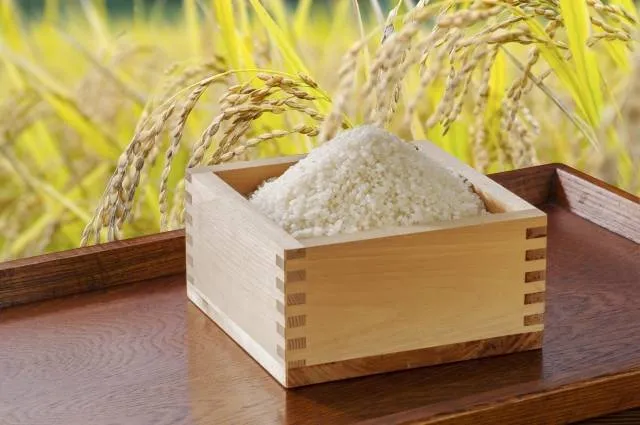
First of all, you cannot miss out Japanese rice. With its rice cultivation dating back to ancient times, Japan has long been well known for its rice-based food culture. Rice is the food that the Japanese tend to feel the deepest connection to, not only because cooked rice itself is the primary staple food of the Japanese diet, but the grain is also processed into various kinds of products such as alcohol (Japanese sake), vinegar, and flour. Even more, rice was once used as currency in the old times, and also the word for cooked rice (Gohan) has become synonyms for the general meaning of “meal.”
There are approximately 600 kinds of rice in Japan, and of these, about 260 are made solely for eating, besides for cosmetics, bath additives, and others. Especially among them, Koshihikari (often called as “Koshi rice”) is one type of rice which best represents authentic Japanese food culture. Koshihikari is originally from the area stretched from Fukui to Yamagata, as its part of the name “Koshi” represents the old Koshi Province. Although nowadays, you can enjoy this signature rice throughout Japan.
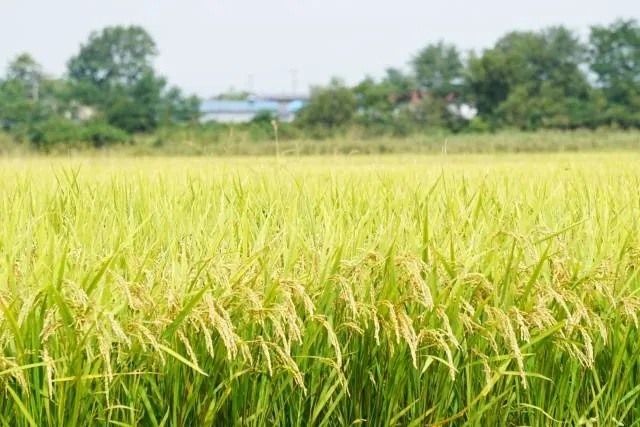
Generally speaking, rice is harvested from around the end of August to October. The rice harvested at that time and milled and packaged for sale by the end of the year is called “Shinmai.” Shinmai is very plump and moist and has a weighty texture that makes it especially delicious, and it is more appreciated than rice harvested the year before ones being sold (called “Komai”). And in Yamanashi, there are places you can enjoy this Shinmai by harvesting rice at rice refining plants surrounded by the beautiful autumn nature of Japan. After collecting rice in paddy fields, you can taste the rice you just reaped with Japanese pickles (tsukemono) made with local specialties, which is a traditional Japanese diet usually served with miso soup as well.
Try the Freshest Flavor of Grapes of the Season
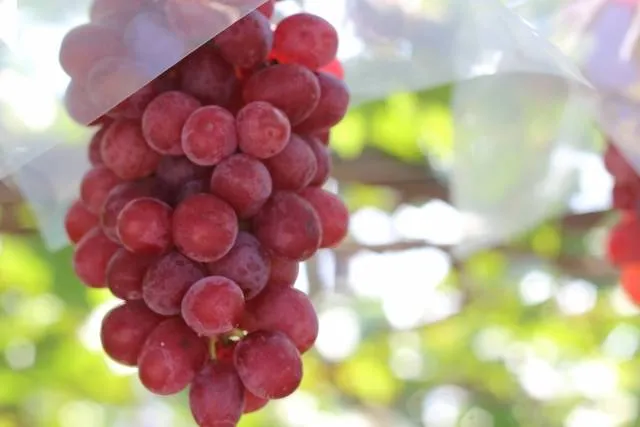
Talking about Yamanashi, you should not forget about grapes. Yamanashi boasts the biggest yields of grapes of any prefecture in Japan. Besides grapes, Yamanashi also produces pears, peaches, cherries, strawberries... just so many kinds of fruit productions are grown all year round in Yamanashi. The reason why it is rich in producing numerous types of fruits lies in its weather - low annual rainfall and the extreme temperature difference between day and night help to create its fruits juicily and sweet.
And especially grapes are one of the very reasons why Yamanashi is called the “kingdom of fruit,” growing over ten types of grapes alone including Delaware, Pione, and so on. One enjoyable activity to appreciate grapes in Yamanashi is grape picking. You can go to actual working farms and orchards and can choose and pick your grapes eating on the spot. Nothing can be fresher than the grapes you have just pulled off of the vine.
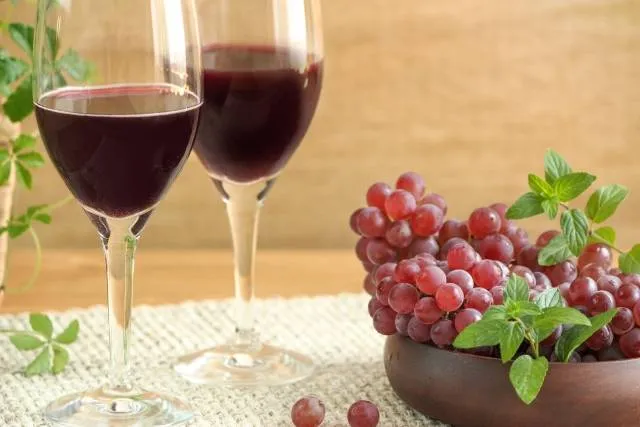
As Yamanashi is famous for grape producing, wines made from grapes here are in a class of its own. Wines made in Yamanashi are generally called “Koshu wines,” and Katsunuma, located in the central Yamanashi, is the major producing area of Koshu wines, being also the birthplace of Japanese wine. At some farms or orchards, you can also try wines that are made there at the same time as you enjoy grape picking. For kids or for those who are not into alcohol, they serve the fresh grape juice instead, so that anyone can have a great time. Even more, you can experience grape stomping, a traditional method of winemaking using one’s feet to crush grapes, with the grapes you pick. And after you bottle wine/juice, now it is time to design your original label. It couldn’t be better to make the only one wine by yourself.
Go get the Finest Sweet Potato: “Akeno Kintoki”
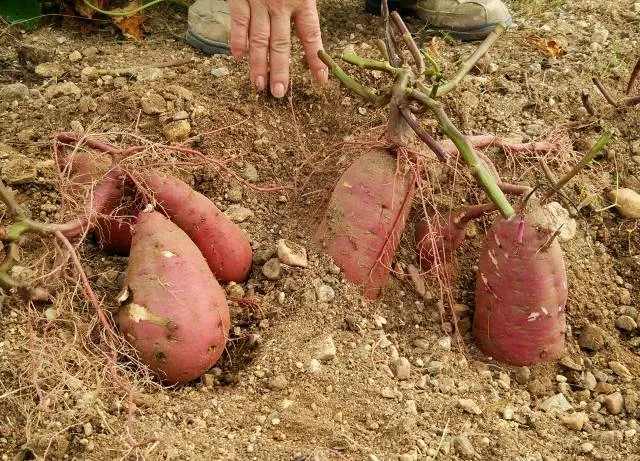
If you have to pick one favorite autumn harvests in Japan, there’s no doubt that sweet potato would be one of the best answers. Roasted sweet potatoes, also known as “Yakiimo” in Japanese, are popular snack foods in the autumn and winter in Japan. It is also a traditional way of eating sweet potatoes that people grill them in a bonfire or on a heated stone to enjoy the doughy texture of them. Other popular ways to eat them are steamed with rice as “Imogohan,” fried with sugary syrup as “Daigakuimo,” made into cakes as “Chakin-mushi,” and you can try/buy them at some restaurants, souvenir stores, or even kiosks.
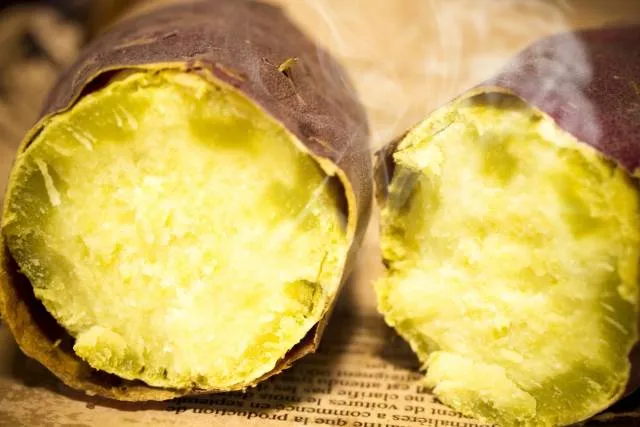
Yakiimo
Yamanashi has been known for producing the most excellent sweet potatoes, “Akeno Kintoki,” in Japan. It is not so big as the other kind is, but it has eye-opening bright purple skin and strong sweetness. It also is less stringy than the other sweet potatoes that you can eat completely whole of it from one end to another. You can enjoy it just as it is, and also it is perfect for being used as ingredients of sweets, such as sweet potato pie, a traditional Japanese snack made of a paste-like sweet potato. In Yamanashi, there are some places that you can enjoy digging Akeno Kintoki at farms and try Yakiimo or make sweet potato pies with them at a cooking studio in October.
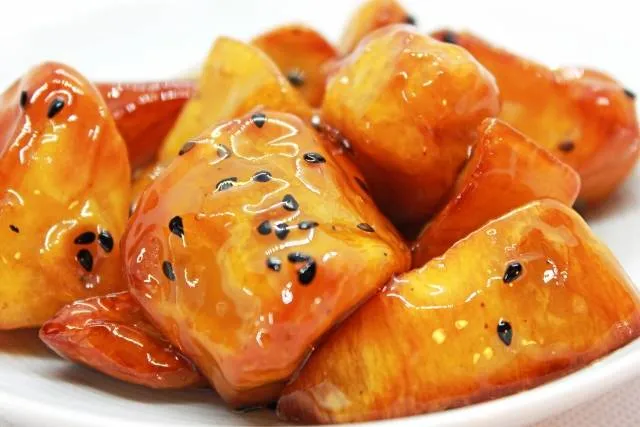
Daigakuimo
How to visit?
The fastest means of transportation from Tokyo to Yamanashi area is taking JR Chuo limited express trains, Azusa and Kaiji from Shinjuku Station. It takes approximately 1.5 hours to reach Enzan Station in Koshu, an area which has some fruit orchards and wineries near around. As another option, you can also get off at Otsuki Station (approx. 1 hour from Shinjuku), where you can find farming experience places. Highway buses also run regularly between Shinjuku and the most popular destinations in Yamanashi, taking about 1.5 to 2 hours.
Address: 1-6-1, Marunouchi, Kofu City, Yamanashi 400-0031
Tel: +81-55-237-1111
Address: 1-6-1, Marunouchi, Kofu City, Yamanashi 400-0031
Tel: +81-55-237-1111
Reference list
https://www.japan-guide.com/e/e2043.html
https://www.ana-cooljapan.com/destinations/niigata/riceandsake
https://www.japan-guide.com/e/e2349.html
https://www.ana-cooljapan.com/destinations/yamanashi/fruit
https://www.ana-cooljapan.com/destinations/yamanashi/katsunumawine
https://www.tastingtable.com/drinks/national/grape-stomping-wine-traditions
https://matcha-jp.com/en/5848
https://www.japan.travel/en/destinations/tokai/yamanashi/