content: The orange, perhaps one of the most consumed fruits in the world, comes in a variety of sizes and they have slight differences depending on their country of origin. So what makes the Japanese fan-favorite citrus fruit stand out from other oranges?
Summary
The orange, perhaps one of the most consumed fruits in the world, comes in a variety of sizes and they have slight differences depending on their country of origin. So what makes the Japanese fan-favorite citrus fruit stand out from other oranges?
Oranges, Healthy And Amazing Fruits
View on Facebook Oranges are among the most consumed fruit in the world, for a very good reason. They contain a lot of vitamins, especially Vitamin A, and also beta carotene and several other vitamins that are important for the body. It is a great source of water and natural fluids for the body. Even the skin has healthy benefits, but only after being cleaned. The most common type of orange is possibly the Valencia Orange, so common in fact that the Valencia Orange is just referred to as “oranges”. It was created by a man by the name of William Wolfskill in California. The name Valencia is taken from a city in Spain, a city that is very famous for its superb oranges. So, what is the difference between an orange and the Japanese mikan? Oranges are quite a bit larger than the Japanese mikan. They have a thick skin which is very connected to the pulp. Japanese Mikan is quite a bit different. For one it is quite a bit smaller. An orange is about the same size as an apple, sometimes even bigger. Mikan oranges are maybe half that size. And unlike the orange the skin is thinner and much easier to peel from the fruit itself. ### The Vast Amount Of Different Japanese Citrus Fruits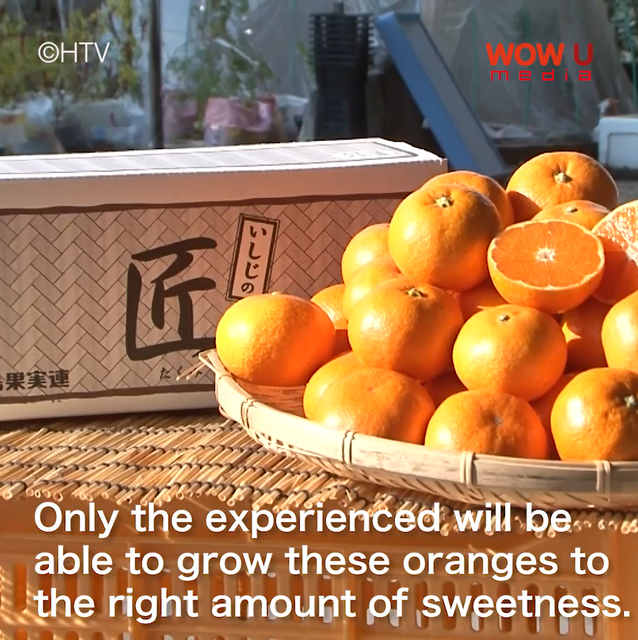 There are a wide variety of Japanese citrus fruits. Japan is not the largest country in the world, it is in fact quite small all things considered. However, despite this fact there is a surprisingly high amount of different Japanese citrus fruits to be found on the island nation. One that stands out quite a bit is the Aomikan tangerine. What makes it special? Well, the skin is green and the flesh is orange.
Miko Orange
On the island of Kyushu, in the prefecture of Oita we can find the Miko orange. A very exquisite fruit, that is quite a challenge to grow. Which results in it being rather expensive compared to other types. However, it makes up for its exuberant price by being juicier than the average orange, and it has an aroma that will make you mouth water.
The Unshu Mikan
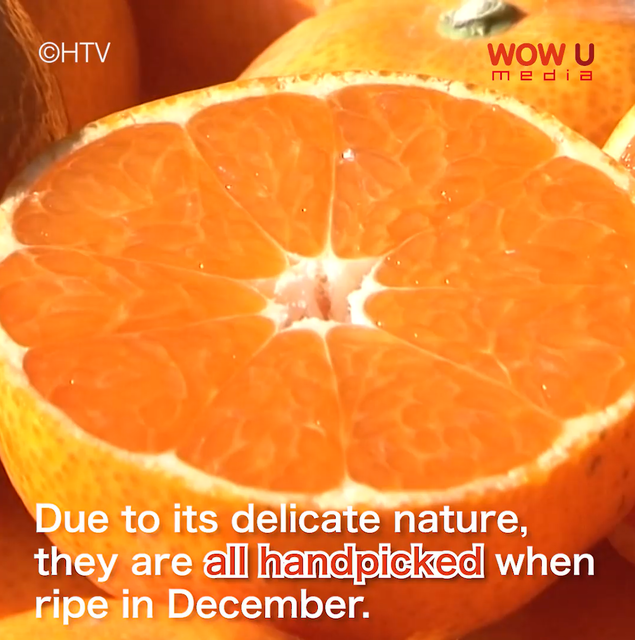 Japan is a country that is fortunate enough to have plenty of sunshine throughout the year. During the sunny days the Unshu Mikan is growing as they bask in the glorious sunlight. They grow exceptionally well in warm weather and eventually become incredibly sweet. The Unshu Mikan orange has a very thin skin, making it very easy to peel, and on the inside lies the sweet mikan. The Unshu Mikan can be divided in to categories based on when it was harvested. Depending on the time of harvesting it will have different properties compared the ones harvested at a later time. The ones harvested from September to October, known as Gokuwase, still have some remnants of green color on the skin. Due do being harvested so early the taste has a bit more acidity to it. Following the first harvest the second one happens from October to December. These are known as Wase, and they have a tiny bit of sourness to them, while also having a very strong sweetness. Harvest number three, taking place from November to December, go by the name Nakate. The outside skin is quite a bit darker than the mikan from the prior harvests. They are also a lot sweeter. The final harvest, happening from December to March, the harvested mikan are called Okute. The okute are more spherical, the skin has grown even thicker, and it has become even sweeter.
Ishiji Orange
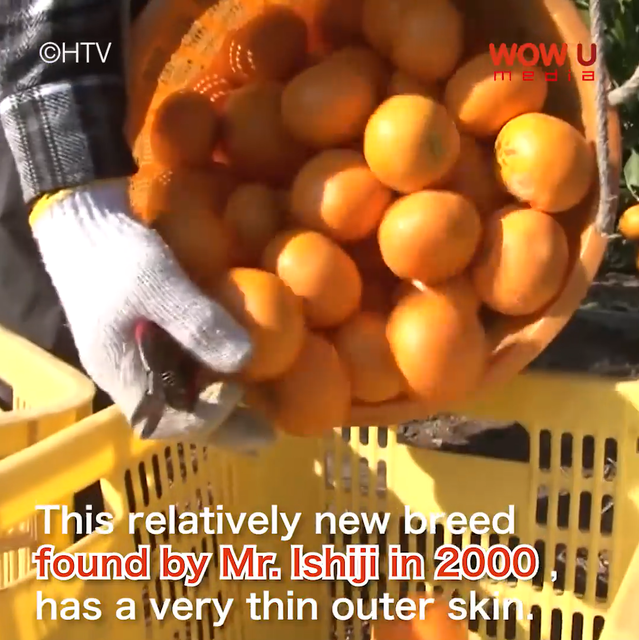 Back in the year 2000, a man by the name ishiji found a new breed of orange. Now known as ishiji orange. Being produced on Seto Island, the Ishiji orange is ideally located for growing to ripe sweet citrus fruit. Which is a perfect location, basking in the sunlight as they approach the harvest. It is a relatively new breed, and if you set out to grow this Japanese citrus fruit yourself, keep in mind that it will take time to get this right. Only experienced people are able to grow these oranges to perfect sweetness. It is a very delicate fruit, so to ensure the highest level of quality all the Ishiji oranges are handpicked as they reach full ripeness in December.
One Of The Way Of Utilizing Mikan In Japan?
The first, and most obvious way is that is used as food. According to many Japanese people the ultimate way to appreciate a mikan is whilst sitting at a kotatsu, which is a small table on the ground that has blankets around the edges and a heater underneath to keep you warm. Although this is nice, instead of just eating it as an orange there are plenty of more creative ways to go about enjoy Japanese citrus fruits. For instance, in Kyushu it is not uncommon to grill the Mikan with its skin on. This way of preparing a mikan is known a yakimikan, which translates to grilled orange. It is also often times used as a topping for cakes. Alternatively, is the use of mikan as decorations. They appear in certain New Year decorations in Japan. For example, in the Shimkazari, made with white paper, mikan and rope. It can also be found in Kagamimochi, the Unshu Mikan is placed atop mochi, and then served to divine deities of the Shinto or Buddhism faith.
Information
The Seto Islands is part of Hiroshima Prefecture, and getting there is not that complicated. By airplane it takes about 1 hour. Shinkansen on the other hand does take a bit longer, but is a great option for travelers that have more time. It takes 3 hours and 49 minutes, which in all fairness taking the shinkansen is quite a bit longer than by airplane, but it does make for a more scenic journey. ### Reference Listhttps://www.thekitchn.com/a-roundup-of-japanese-citrus-f-98272
http://cupidojapan.com/fruits-you-should-eat-in-japan-unshu-mikan/