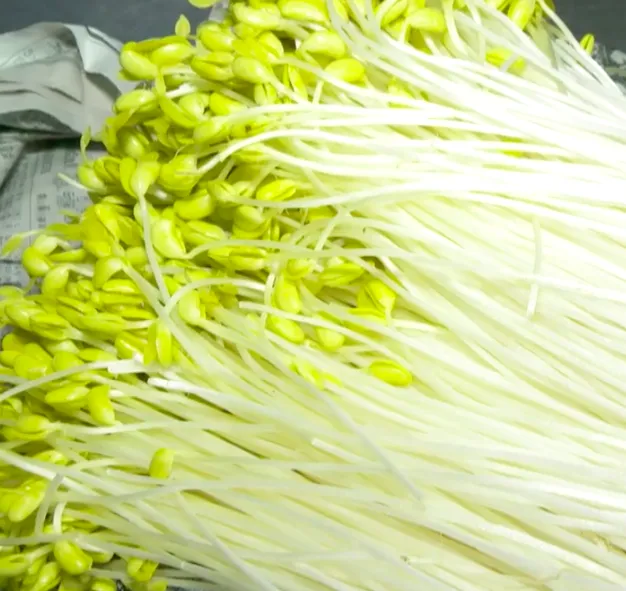
content: Bean sprouts are a crunchy vegetable that’s included in a variety of dishes in Japan- and for good reason. They’re nutritious and cheap. Learn more about bean sprouts in Japan in this article.
Summary
Bean sprouts are a crunchy vegetable that’s included in a variety of dishes in Japan - and for good reason. They’re very nutritious and affordable. Learn more about bean sprouts in Japan from this article including “hot spring bean sprouts.” Learn how to grow and cook them too.
View on FacebookBean Sprouts- An Everyday Vegetable
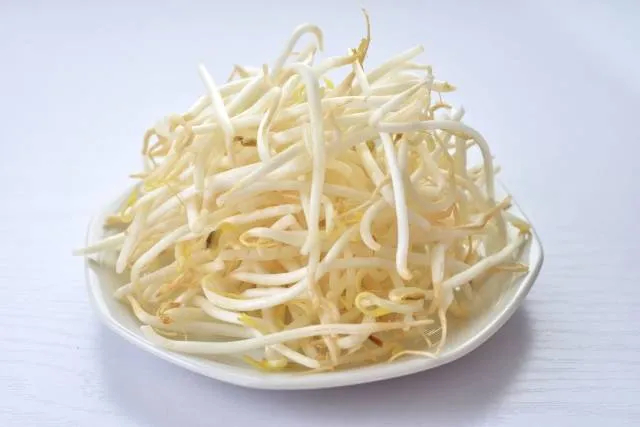 Bean sprouts are a delicious and affordable vegetable found in almost any supermarket within Japan. Mug beans make up about 80 to 90% of the bean sprouts sold; the others being beans like soybeans, white beans, black beans and alfalfa seeds. Mug bean sprouts are an everyday vegetable that’s added to your ramen or soup, stir-fried with vegetables, included in a salad- basically they’re used in a wide variety of dishes. Loved by many, this crisp, filling, easy-to-eat vegetable is also easy to produce.
They are easy to produce because the production process is very simple. Mung bean sprouts sold in Japanese supermarkets are usually imported then made into sprouts at Japanese factories. It’s easily made because production involves making mung beans wet, waiting for sprouts to appear, then packaging them and shipping them off. They don’t need sunlight or dirt to grow, which is why you can even produce them at home. This is one way how you can make mung bean sprouts at home.
How to Make Mung Bean Sprouts
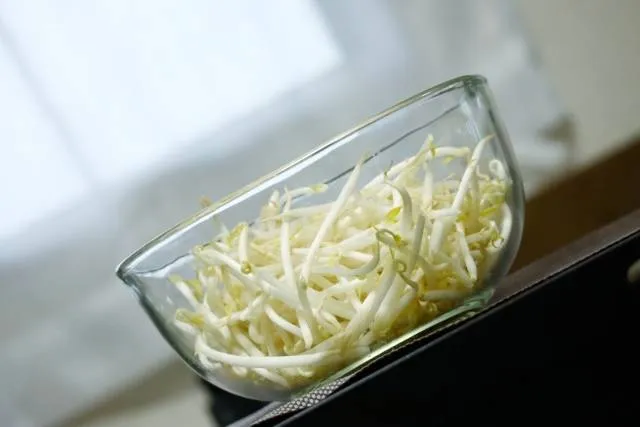 What You Need:
- A jar with a wide mouth
- Mung beans
- Cheesecloth/gauze
- Rubber band
- Strainer
- Bowl
- Rinse mung beans with water using a strainer, then pour them into a clean jar.
- Pour cold water on the beans, at least three times the volume of the beans. Then cover the jar with a piece of cheesecloth or gauze and tie it to the jar so that nothing else enters the jar (do not use the jar’s lid). You want to keep the beans and the water as clean as possible.
- Put the jar in a box or somewhere dark like inside a cupboard and let the beans soak for 5 to 8 hours.
- Drain the water and wash the beans until the water is clean again.
- Change the water about three times a day (pour water from on top of cheesecloth or gauze- no need to remove it every time) and put them back into a box or cupboard each time.
- After about 5 to 7 days, the bean sprouts are ready to be eaten. Eat before leaves start to appear!
Health Benefits of Mung Bean Sprouts
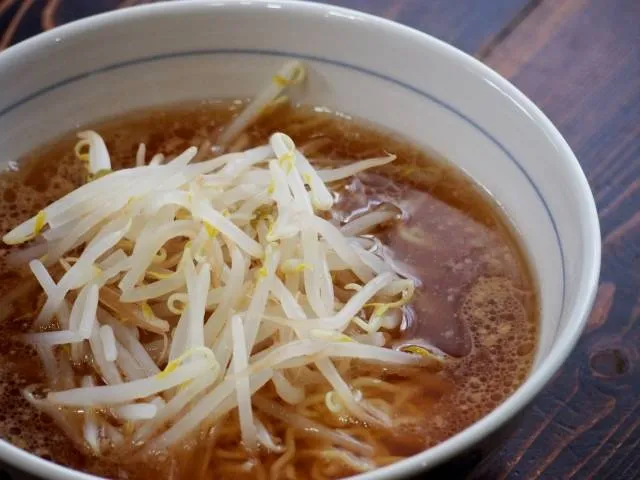 Mung bean sprouts are highly nutritious. They contain all types of vitamins, protein, iron, potassium, calcium, phosphorous, magnesium and zinc. They are especially rich in Vitamin C and folate. Vitamin C supports the immune system and is thought to help reduce anxiety, plus folate supports the prevention of anemia and birth defects. On top of all that, mung bean sprouts are low in calories and are fat-free. Here is an example of a popular nutritious dish to make using bean sprouts.
Chicken Liver and Chinese Chive Stir-Fry
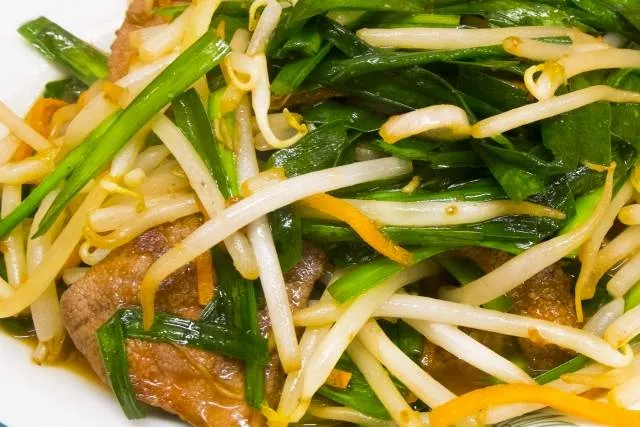 Total time needed to make the dish is about 15 minutes including 5 minutes of prep time.
Ingredients for two people:
- 7 oz (200 g) of chicken livers
- 1 bunch of Chinese Chives
- 1 bag of bean sprouts
- 1/2 piece of ginger
- 1/2 clove of garlic
- Cut chicken livers into squares and remove blood clots or excess fat if found. Rinse with water. Place them all into a bowl, add a spoonful of sake with a pinch of salt and massage them into the chicken livers.
- Bring water to boil in a pot, and add the chicken livers. When it starts to boil again, strain the chicken livers.
- Chop up the Chinese chives into pieces about 1 inch (3 cm) long. Peel the ginger and garlic and slice both up into small pieces.
- Stir-fry the chicken livers in oil for about a minute then add ginger and garlic. Stir-fry for 2 minutes, add bean sprouts then mix everything together. After a minute or two, add the Chinese chives and stir fry for about a minute. Add 1 tablespoon of soy sauce, 1 tablespoon of sake, a pinch of sugar and pepper and stir fry for another minute.
Bean Sprouts in Japan
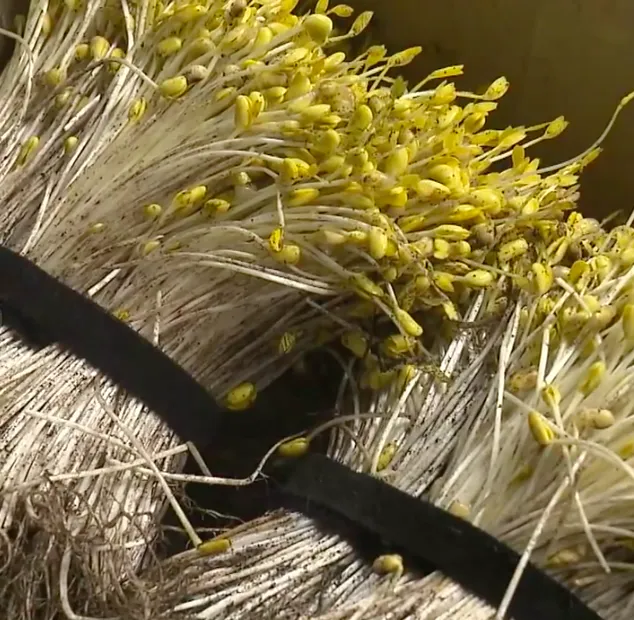 Japan’s largest producing prefecture of bean sprouts is Tochigi prefecture, located north of Tokyo. They make up about 20% of the entire bean sprouts production. Most of them are mung bean sprouts, made with Tochigi’s clean water. Among the many bean sprouts being made in the country there is a prestigious bean sprout brand called the “onsen moyashi”, which literally translates to “hot spring bean sprouts”.
As you may have guessed already bean sprouts made with hot spring water. Made in Owanimachi, Aomori prefecture in northern Japan, hot spring bean sprouts have a 350-year history. They make two kinds of bean sprouts; one that is made from soybeans, the other is made from soba. They use a special technique to make the bean sprouts which has been passed on from past generations. They use hot spring water rather then tap water, plus they grown from the ground which is free of chemical fertilizers and chemical synthesis pesticides. Since it’s made from the ground and not water, the bean sprouts turn out to be especially crispy and crunchy while also growing to about 11 inches (30 cm) long. All the bean sprouts are handmade using traditional methods. So it’s no surprise to hear that one bag of “onsen bean sprouts” cost about 12 USD (1,200 yen), when your bag of typical bean sprouts only cost less than 1 USD (100 yen). 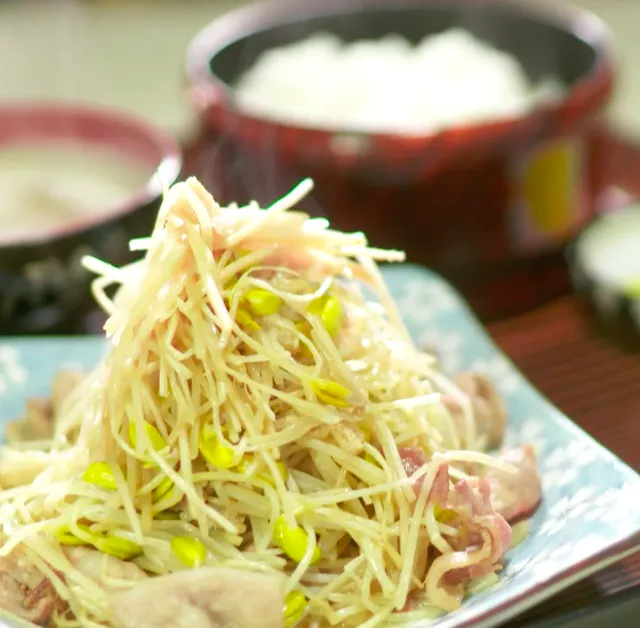 Bean sprouts are included in many Japanese dishes, and may help to keep you energetic during your travel in Japan. Definitely do consider asking for bean sprouts as a topping at your next ramen stop.
Information
Fly from Tokyo (Haneda) airport to Aomori airport (1 hr 20 min). From Aomori airport, ride the bus to Aomori station (35 min). From Aomori station, ride the Oouhonsen Express train bound for Akita until Oowanionsen station (45 min). ### Reference Listhttps://www.nhk.or.jp/lifestyle/article/detail/00251.html
https://www.umai-aomori.jp/specialtygoods-pbook/regionproduct/vegetable/owanionsenmoyashi.html
https://www3.nhk.or.jp/nhkworld/en/food/recipe/beginners_17081.html