Spend New Years in Kagoshima. Learn about Japanese New Year traditions and Kagoshima’s traditional Onibitaki ritual.
Summary
Spend New Years in Kagoshima. Learn about Japanese New Year traditions and Kagoshima’s traditional Onibitaki ritual. The Onibitaki ritual is a bonfire conducted in many areas in Kagoshima to ward off evil spirits. Participants pray for a good year.
Japanese New Year Traditions in Kagoshima
When December comes, we hear many Japanese chatting about their Nenmatsu-Nenshi, which means, year-end and year-beginning. It’s a special time of year where most people in the country including students and workers get a break from their usual routine, and get to spend time with their families and loved ones. Below are five of Japan’s many New Year traditions to keep in mind during New Years, with a special focus on Kagoshima prefecture located on the southernmost island of Japan’s four main islands. Also make a note that many businesses close from about Dec 29 to Jan 3 (tourist spots are usually open).
1. House Decorations for the New Year
1. House Decorations for the New Year
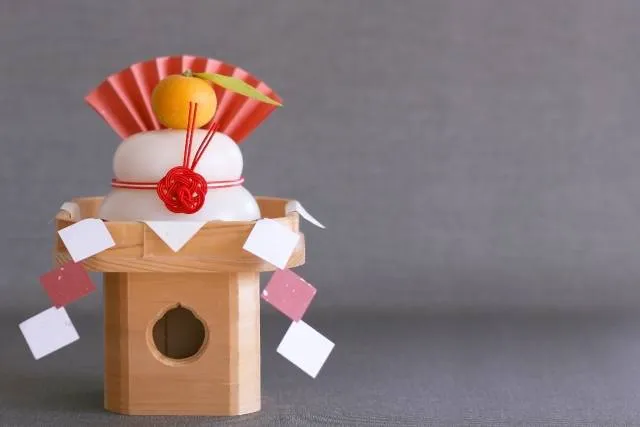
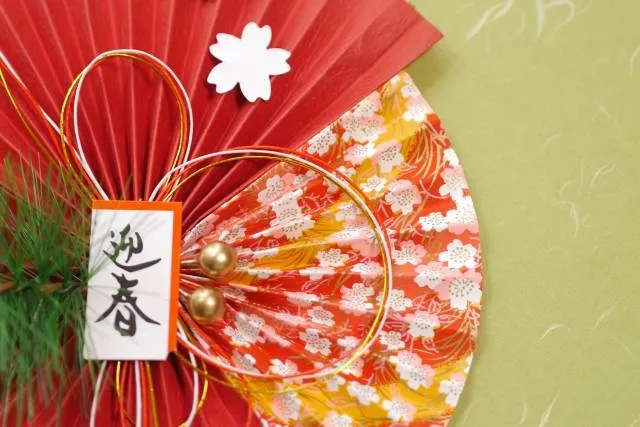
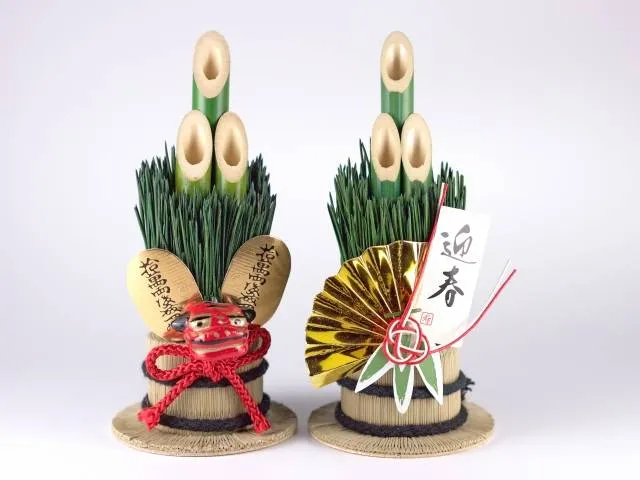
Many Japanese think of the New Years as a brand-new start and like to welcome it with a clean house, fresh hair-cut, and have everything that needs fixing finished within December. After the house is cleaned, traditional houses put up New Year decorations for the New Year. Outside the front door or gate of the house, you’ll see Kadomatsu, or a pair of decorated pine or bamboo sprigs. They represent longevity and prosperity and welcome ancestors into the house. Inside the house, you might see Kagamimochi or two tiers of round rice cakes with a satsuma orange on top) and Shimekazari, new year’s wreath. These things can be seen everywhere. It might be interesting to try to look for Kadomatsu outside of people’s homes when taking a walk in residential areas, and look for Kagamimochi and Shimekazari at supermarkets.
2. First Temple/Shrine Visit of the Year
2. First Temple/Shrine Visit of the Year
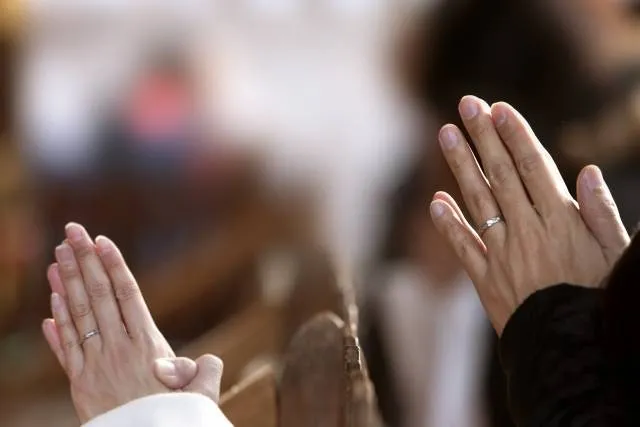
To pray for good fortune, it’s traditional for people to visit a temple or shrine usually by January 3. It’s customary to find long lines at major temples and shrines, especially on January 1. Many buy good-luck charms and write wishes on Emas or wooden plates. The most popular place to visit in Kagoshima is the Kirishima Shrine. They have events such as performances with taiko drums continuing on with their performances from New Years Eve.
Kirishima Shrine
Address: 2608-5, Kirishimataguchi, Kirishima, Kagoshima 899-4201
Tel: +81-995-57-0001
Website: http://www.kirishimajingu.or.jp/
3. Watching the Sun Rise on New Year’s Day
Kirishima Shrine
Address: 2608-5, Kirishimataguchi, Kirishima, Kagoshima 899-4201
Tel: +81-995-57-0001
Website: http://www.kirishimajingu.or.jp/
3. Watching the Sun Rise on New Year’s Day
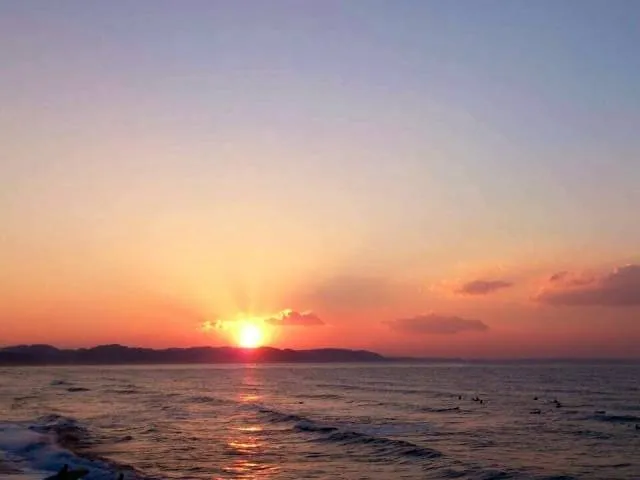
Many Japanese visit beautiful spots for sunrises such as ports and tall buildings on New Year’s Day to see the first sunrise of the year. Many pray for a good year while looking at the sunrise. A great spot to watch the sunrise is at Kirishima Kinkoan National Park’s beach. Sunrise usually begins a little after 7 AM so be prepared to wake up very early or stay up all night.
Kirishima Kinkoan National Park
Address: 7703-4 Hiramatsu, Aira, Kagoshima 899-5652
Tel: +81-995-66-3111
Website: https://www.env.go.jp/en/nature/nps/park/kirishima/
4. Hatsuoyogi or First Swim of the Year
Kirishima Kinkoan National Park
Address: 7703-4 Hiramatsu, Aira, Kagoshima 899-5652
Tel: +81-995-66-3111
Website: https://www.env.go.jp/en/nature/nps/park/kirishima/
4. Hatsuoyogi or First Swim of the Year
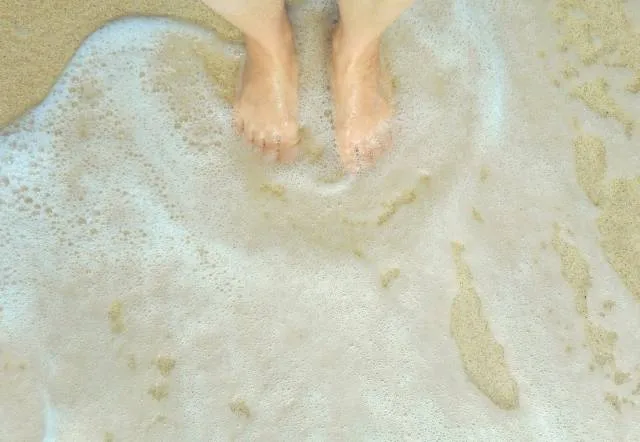
Praying for a year of good health, on the first day of the year there are annual events in some prefectures where groups of people swim in the ocean. At the following location, not only will you see a beautiful view of the first sunrise, but you will also witness groups of people having their traditional first swim in the morning. Before starting, there is a ritual where people pray for a safe year of no accidents in the ocean. The water is not warm and spectators are all wearing winter jackets.
Isokai Suiyokujou Beach Resort
Address: 9684 Yoshino-cho, Kagoshima city, Kagoshima 892-0871
Tel: +81-99-248-3066
Website: https://www.pref.kagoshima.jp/ac06/pr/kinkowan/spot/pl_iso.html
5. Traditional New Years Bonfire Ritual, “Onibitaki”
Isokai Suiyokujou Beach Resort
Address: 9684 Yoshino-cho, Kagoshima city, Kagoshima 892-0871
Tel: +81-99-248-3066
Website: https://www.pref.kagoshima.jp/ac06/pr/kinkowan/spot/pl_iso.html
5. Traditional New Years Bonfire Ritual, “Onibitaki”
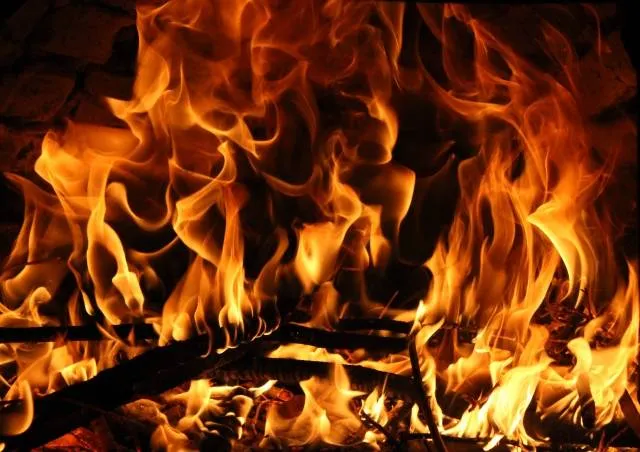
There are different phrases such as “Dondoyaki” that describe this bonfire ritual. In Kagoshima it’s called, “Onibitaki.” It usually takes place on January 7 (but sometimes a little later in the month). Oni is an ogre and it is here in the bonfire that the evil spirits that dwelled on the New Year decorations are burned away. When everything is burned away, people eat grilled rice cakes using the bonfire. Onibitaki is prepared by locals and neighbors cooperating together to make one big bonfire.
Onibitaki Ritual- How is it Done?
One example of how this is performed is, the children and adults of the region all cooperate to pile up dry bamboo and other tinder around the bamboo pieces inside the center. In the end it becomes a large triangular tower. They usually make this at the end of the year so that they can burn it on January 7 (hoping that it doesn’t rain in between).
At 6 or 7 PM, men, women and children with the best fortune and those with the worst (according to the Chinese zodiac) team up to light up the stack. The sound of wood burning is supposed to ward off all evil spirits such as sicknesses, bad luck and disasters. While the bonfire is burning away, people throw in the good luck charms they kept in their houses for thewhole year, and the aforementioned Kadomatsu. They thank god that their previous year went by with no harm and at the same time, pray for a good year ahead. Participants eat grilled rice cakes made within bonfire. Fire fighters stand by to watch that everything is done safely.
At 6 or 7 PM, men, women and children with the best fortune and those with the worst (according to the Chinese zodiac) team up to light up the stack. The sound of wood burning is supposed to ward off all evil spirits such as sicknesses, bad luck and disasters. While the bonfire is burning away, people throw in the good luck charms they kept in their houses for thewhole year, and the aforementioned Kadomatsu. They thank god that their previous year went by with no harm and at the same time, pray for a good year ahead. Participants eat grilled rice cakes made within bonfire. Fire fighters stand by to watch that everything is done safely.
Keeping Tradition Alive
What’s interesting about the Onibitaki ritual is that it’s organized by wards and locals and not run by any temples or shrines. In the past, this ritual was performed on January 7 only. But the date has become more flexible. Some areas do it before January 3 so that even those who have to return to work the next day can participate in the ritual. Others arrange for it to be performed on weekends so that many more people can participate. At one point, after World War II, this Onibitaki ritual disappeared from many areas and in the late 1970s the ritual was revived. In order to keep the traditional ritual alive, it no longer has to be done on January 7.
The location that the Onibitaki ritual is held is not always the same, but the same areas conduct it. If you are interested in joining, it’s best to check with Kagoshima Prefectural Visitors Bureau for the exact dates and locations beforehand. Kagoshima Prefectural Visitors Bureau (details under “Information”).
The image of bonfires come across as loud parties in the minds of the people of some Western countries. But the Onibitaki bonfire is a rather quiet ritual with some cheering but no dancing, music or chanting. Instead, people pray in peace, eat rice cakes, and children and adults mingle and sometimes play games together inside bamboo towers. Witness this peaceful bonfire ritual in Kagoshima prefecture.
Information
Tokyo to Kagoshima is 2 hours by plane. Ride the Kaogshima-Airport Limousine Bus to Kinseicho stop (50 min). It’s a one-minute walk from there.
Kagoshima Prefectural Visitors Bureau
Address: Kagoshimaken Sangyo Kaikan, 9-1, Meizan-cho, Kagoshima, Kagoshima
Tel: +81-99-223-5771
Kagoshima Prefectural Visitors Bureau
Address: Kagoshimaken Sangyo Kaikan, 9-1, Meizan-cho, Kagoshima, Kagoshima
Tel: +81-99-223-5771