content: Have you ever seen a Buddha’s hand? It’s a citrus fruit with an unusual shape. Find out more about the fruit, ways to use it, and about how it’s used in Japan.
Summary
Have you ever seen a Buddha’s hand? It’s a citrus fruit with an unusual shape. Find out more about the fruit, ways to use it, and about how it’s used in Japan.
View on FacebookWhat is Busshukan or Buddha’s Hand?
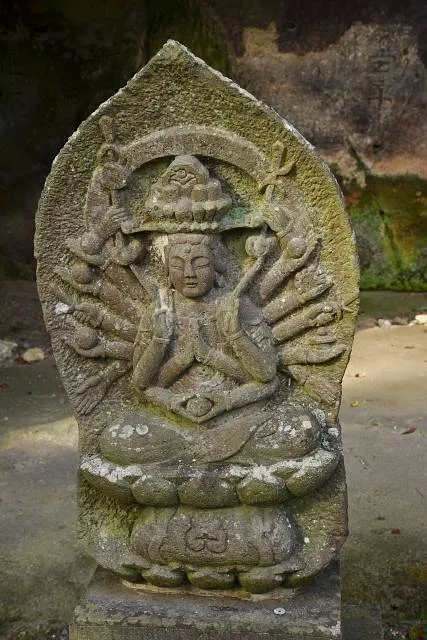
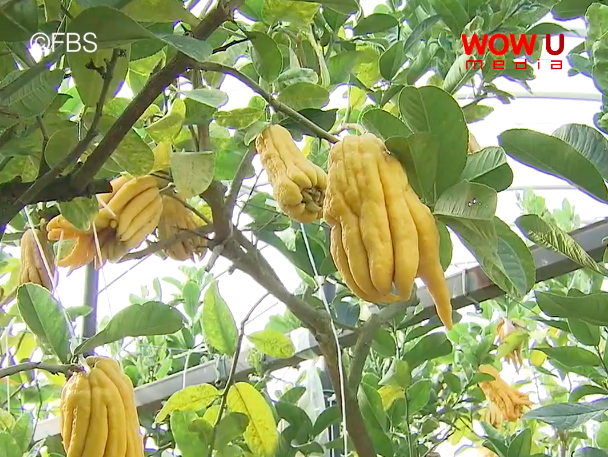
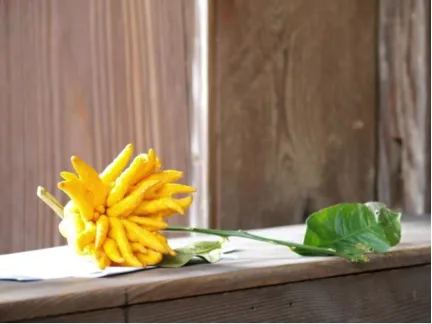 Once you see the fruit, the Busshukan or Buddha’s hand, you’ll never forget it. You may have guessed already but the reason it’s called Buddha’s hand is because it’s shaped like fingers and resembles a bodhisattva called the thousand-armed Kannon. It’s called Buddha’s hand not only in English, but also in Japanese, Vietnamese, Chinese and Korean too.
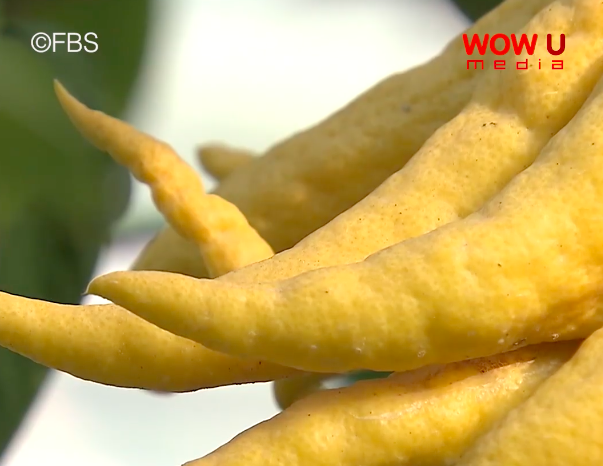
 Thought to have originated in India or China, this citron’s scientific name is citrus medica var. sarcodactylisa. It has a strong, lemon-like fragrance. If you cut it in half, you’ll be surprised to find nothing inside. There is no juice, seeds or pulp, just rind and pith. The fruit usually grows as one of two types; the “open-hand” type, where the finger segments of the fruit are spread out, or the “closed-hand” type, where the finger segments are kept inwards with the “fingers” keeping in contact with those immediately next to it. The “closed-hand” type resembles praying hands.
5 Best Ways to Use the Buddha’s Hand
 1. Eat it Raw
Eating it raw is not common in Japan, but the whole fruit is edible. Cut the Buddha’s hand’s zest into thin slices and put it on top of warm tofu or salads. Enjoy the fruit’s strong citrus fragrance on your food.
-
Eat it Cooked
A frequent way to eat it in Japan is to stew it in sugar and water. You can also make marmalade with the zest. Adding another kind of citrus fruit will make it tasty. Before you stew it, it’s common to boil it in hot water a short while so that any bitterness that the fruit might have had is drawn away. -
Use it as Air Freshener
Simply leave it on your kitchen counter as a citrus air freshener. The room will be filled with the fruit’s strong aroma. For long-lasting effects, keep it in a cool place out of direct sunlight. Depending on the condition of the fruit, the fragrance will last for about a month. This fruit is rarely seen in the Tokyo area. With its unique shape, it would be a great conversation starter.4. Arrange it with Flowers
Try arranging the fruit with flowers. This is one of the most common ways the fruit is being used in Japan. Since it is “Buddha’s hand,” it’s believed to have contribute to good fortune, and has been used for traditional flower arrangements, with bonsai, and at tea ceremonies in the winter season. -
Use it to Clean your Home
Just like lemon skin, try adding peels of Buddha’s hand to vinegar to make a citrus-fragrant disinfecting spray, and clean your home with it. Your household will smell lovely afterwards.
Buddha’s Hand in Japan
 Buddha’s Hand is cultivated between the months of November and February in Japan. It’s actually an unusual fruit, even in Japan. You would not see it at a local supermarket in Tokyo. The fruit is not easily cultivated, and only a handful of farmers make it for commercial purposes. The fruit is produced in Japan’s southernmost island, Kyushu, specifically in Saga prefecture, Kagoshima prefecture and Wakayama prefecture. If someone in Tokyo wants to buy the fruit, the best way is to directly contact a farmer who cultivates Buddha’s hands in one of those prefectures.
The fruit is rare, therefore, it’s pricy. One Buddha’s hand usually costs about 2,000 yen. If the shape is “closed-hand,” it can be more expensive because it resembles praying hands and thus believed to contribute to and bring very good fortune. Buddha’s hands that are big in size are also expensive.Late December to Early January is when this fruit is most popular. Since it is related to good fortune, it’s perfect for New Years celebrations. It has been used as part of flower arrangements for tea ceremonies and home decorations for centuries. Since there are no Buddha’s hands that look the same, it has been considered as having high artistic value.
If you are visiting Kyushu in winter, try looking for this unusual fruit. Sometimes temples, shrines, and major department stores use the Buddha’s hand in their large New Year flower arrangements.
Information
Ride the plane from Tokyo to Saga Prefecture (approximately 90 minutes). ### Reference Listhttps://macaro-ni.jp/56703
https://www.kudamononavi.com/zukan/kousan/busshukan
https://www.myrecipes.com/recipe/buddhas-hand-fruit-recipes
https://ippin.gnavi.co.jp/article-4450/