content: Tokugawa Ieyasu, the first shogun of the Tokugawa Shogunate, is one of the most important figures in Japanese history. Learn about Tokugawa Ieyasu’s castles and his family temples.
Summary
Tokugawa Ieyasu, the first shogun of the Tokugawa Shogunate, is one of the most important figures in Japanese history. Learn about Tokugawa Ieyasu’s castles and his family temples. In this article we introduce three major castles Tokugawa Ieyasu was involved with, and his family temples.
Who Was Tokugawa Ieyasu?
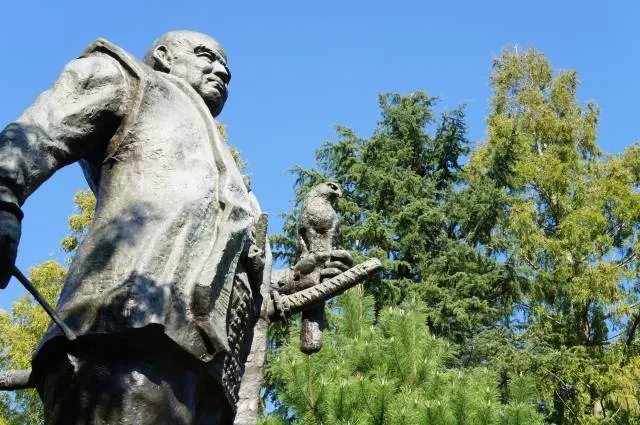
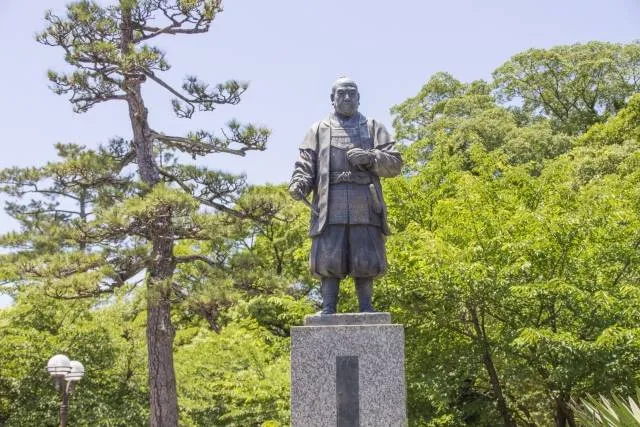 Tokugawa Ieyasu (1542-1616) is one of the most important figures in Japanese history. He was a warrior during the Sengoku period (1467-1568), and Azuchi Momoyama period (1568-1600). In 1600, he won the biggest civil war in Japanese history to unify the country. He then established the Tokugawa era, which lasted for 260 years.
Visiting 3 Major Castles Of Tokugawa Ieyasu
Here we introduce three major castles that Tokugawa Ieyasu was associated with along with some historical background.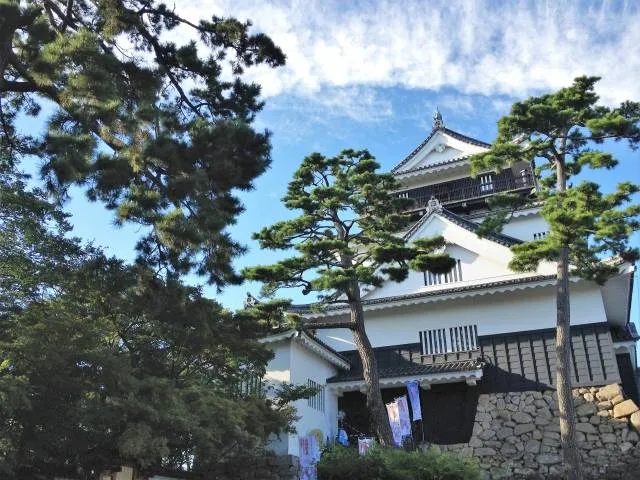 1. Okazaki Castle, Aichi Prefecture
Tokugawa Ieyasu (formerly Matsudaira Motoyasu) was born in 1542,the first son of a minor feudal lord in Mikawa Province (Aichi prefecture). He was born in Okazaki Castle located in Okazaki city in western Aichi prefecture. People called him Takechiyo.
Mikawa province was located between two major provinces; one governed by the Oda clan, and the other by the Imagawa clan. He was taken as hostage by the Oda clan when he was 6 and then the Imagawa clan when he was 8. However, after the Imagawa clan was defeated, he returned to Okazaki Castle and spent 11 years there.
Okazaki Castle was selected as one of the 100 great castles in Japan. The white castle is tall and rises high into the sky. It is located inside the Okazaki public park. The park contains the Ieyasu and Mikawa Bushi Museum where you can learn about Ieyasu and the region’s history. It is also known as a popular spot for cherry- blossom viewing.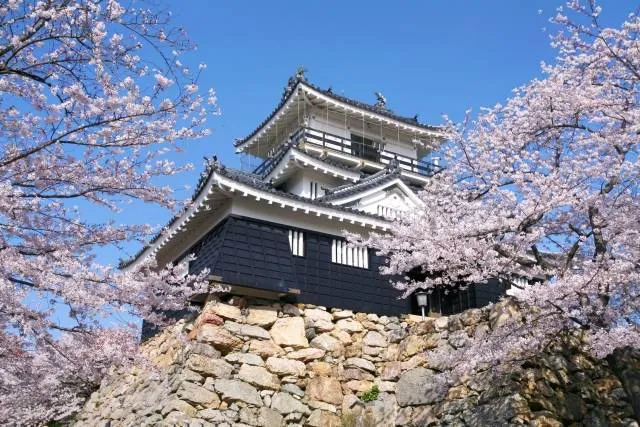 2. Hamamatsu Castle, Shizuoka Prefecture
After Okazaki Castle, Tokugawa Ieyasu moved his home to Hamamatsu Castle and lived there for 17 years as a young warlord. Within the castle there are materials and armor related to Ieyasu on display, and from the observation deck a view of the Hamanako Lake can be seen. On a sunny day, you can see Mount Fuji.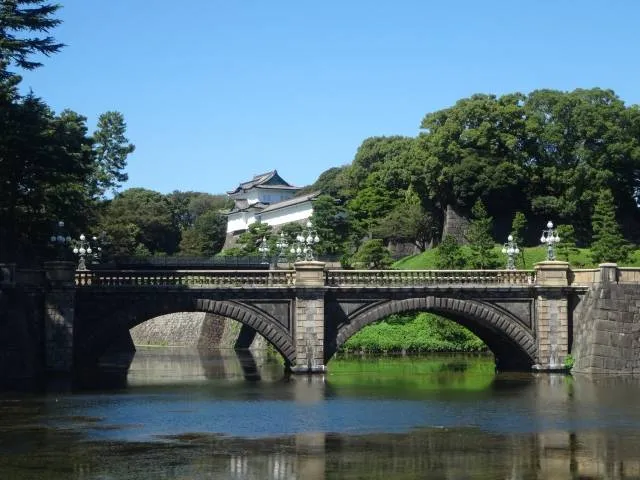 3. Edo Castle, Tokyo
Edo Castle is where Tokugawa Ieyasu established the Tokugawa Shogunate or the Japanese military government, which existed from 1600 to 1868. Where the Edo Castle stood is now part of the Imperial Palace, home to the Emperor of Japan. You can still see remnants of Edo Castle, such as its entrance gates, moats and walls. Some parts of the Imperial Castle are not open to the public, but all are free to walk around the castle. It is perhaps one of the most important places to visit in Tokyo.
Other Areas Related To The Tokugawa Shogunate In Tokyo
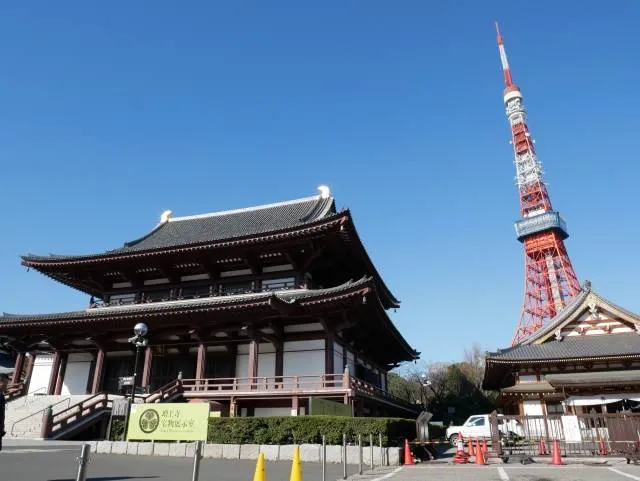 Other than Edo Castle, one can also set foot in the Bodaiji or family temple of the Tokugawa Shogunate. Bodaiji is the family’s designated Buddhist temple that has taken care of the dead members of the family for generations, performing Buddhist ceremonies and giving them burial. Most traditional Japanese families have a specific temple that the family has been going to generation after generation. While it is most common for the family to only have one Bodaiji, some have two, and the Tokugawa clan was one of them. The Tokugawa clan has two bodaiji and there is an interesting story behind it.
At first, Tokugawa Ieyasu had chosen Zojoji Temple, the main temple of Jodo sect Buddhism located in Tokyo, as their Bodaiji. However, a clever monk of Tendai sect, a different Buddhist sect approached him. It was rumored that he was a former warrior. He eventually became something like an advisor to the Tokugawa Shogunate. He gained enormous trust from the entire Tokugawa family and following his advice, the Tokugawa Shogunate built the Kaneiji Temple in 1625, also located in Tokyo. At first this temple was for praying only but the third Shogun asked that his funeral take place at Kaneiji Temple instead of Zojoji Temple. After the fourth and fifth shogunate had their burial at Kaneiji, Zojoji Temple was infuriated. They came to terms by agreeing to bury the shoguns taking turns. For example, the seventh and ninth shogunates are buried at Zojoji, and the eighth and tenth shogunates are buried at Kaneiji Temple.
Learn More About The Tokugawa Shogunate
The Tokugawa Shogunate played a major role in creating what is now Tokyo. If you want to learn more about the Tokugawa Shogunate and its history, or visit Zojoji Temple with a history expert explaining everything to you, you may want to look into some local tours. Many tours that give descriptive historical backgrounds are available in Tokyo.