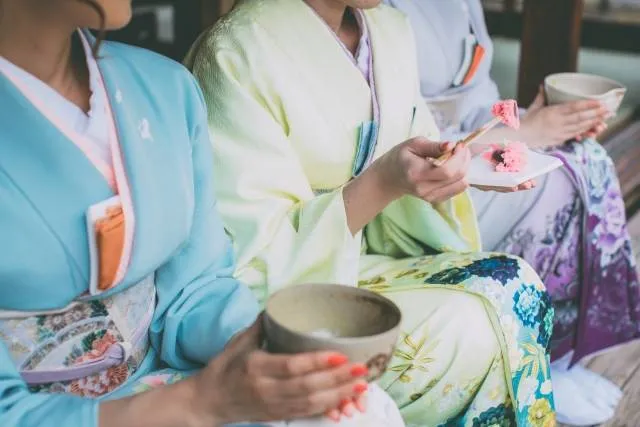
Many types of delicious Japanese Traditional Sweets or Wagashi exist, from popular, affordable sweets to delicate, artistic creations. Most are subtly sweet and best when eaten with a cup of green tea. Learn about the major types in this article.
Summary
Many types of delicious Japanese Traditional Sweets or Wagashi exist, from popular, affordable sweets to delicate, artistic creations. Most are subtly sweet and best when eaten with a cup of green tea. Walk around and try all the different Wagashi that interest you during your stay in Japan.
What Is Japanese Traditional Sweets Or Wagashi?
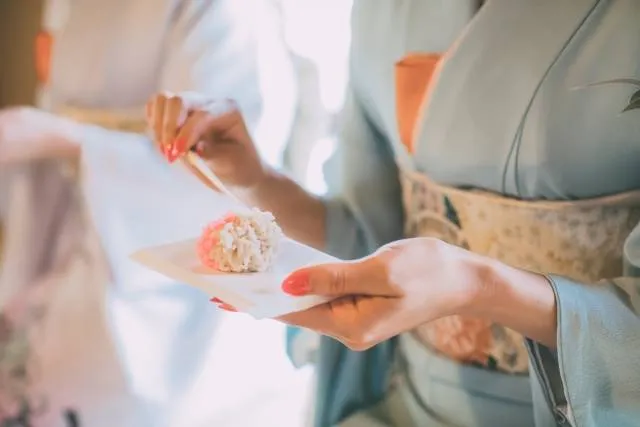
Based on the water content of sweets and their preservability, Wagashi are classified into Namagashi (lit. raw sweets), Han-namagashi (lit. medium-raw sweets), and Higashi (lit. dry sweets). Namagashi contain more than 30% water; Han-namagashi contain 10% to 30% water; Higashi contains a water content of less than 10%. Namagashi has a short expiration date of usually 1 or 2 days, whereas Higashi are sweets such as rice crackers. If you want to try something you can only have in Japan, you might want to try Namagashi or Han-namagashi, and perhaps buy Higashi as souvenirs for family and friends or to try them later at home.
Namagashi and Han-namagashi come in different shapes and sizes, and some are only available in certain regions and seasons, while others are available all year long and all over Japan. There are both casual types that can even be bought at convenience stores as well as high-end sweets that are consumed at Japanese tea ceremonies. Japanese sweets are generally only subtly sweet and not intensely sweet like some Western desserts. They go well with a nice cup of bitter green tea.
Wagashi are made with just a few ingredients: rice flour, glutinous rice flour, azuki beans boiled and mashed into smooth or chunky red bean paste, Japanese agar (kanten), Kudzu powder (jelly) and fruits, nuts and flowers for accents or flavorings. Here we introduce five highly recommended Wagashi for you to try when you are in Japan.
5 Popular Wagashi Or Japanese Sweets You Should Try In Japan
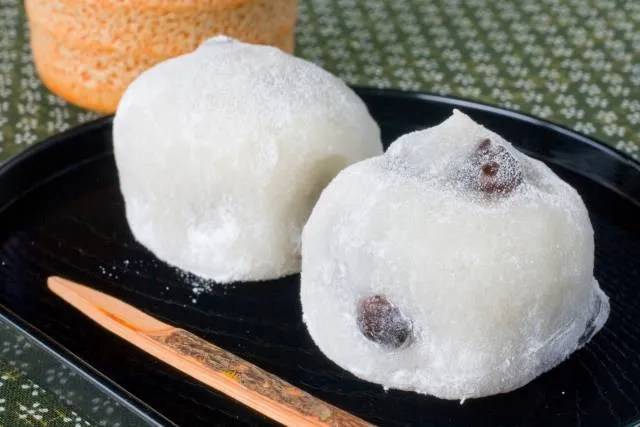
1. Mochi Sweets: Daifuku
Made by wrapping red bean paste with a thin slice of Mochi or sticky dough made with glutinous rice flour, Daifuku is one of the most casual and affordable types of Wagashi. It’s best eaten fresh and tends to get hard when left for a day. Although it’s small it’s filling- in fact, in ancient times it used to be eaten for lunch. It’s a Wagashi loved by many, and can be found at convenience stores in the country.
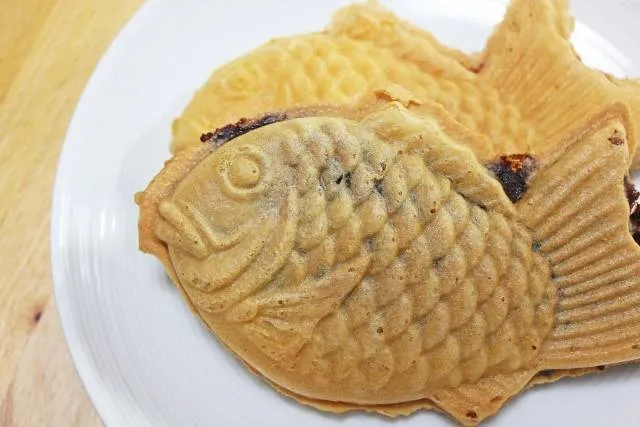
2. Grilled Sweets: Taiyaki
Best when eaten right off the grill, taiyaki are fish-shaped snacks made of two crispy pancakes filled with paste in the middle. The most traditional filling is bean paste but usually taiyaki shops offer other flavors too such as custard cream, cheese and chocolate. You can usually watch it being grilled as you wait in line.
Best when eaten right off the grill, taiyaki are fish-shaped snacks made of two crispy pancakes filled with paste in the middle. The most traditional filling is bean paste but usually taiyaki shops offer other flavors too such as custard cream, cheese and chocolate. You can usually watch it being grilled as you wait in line.
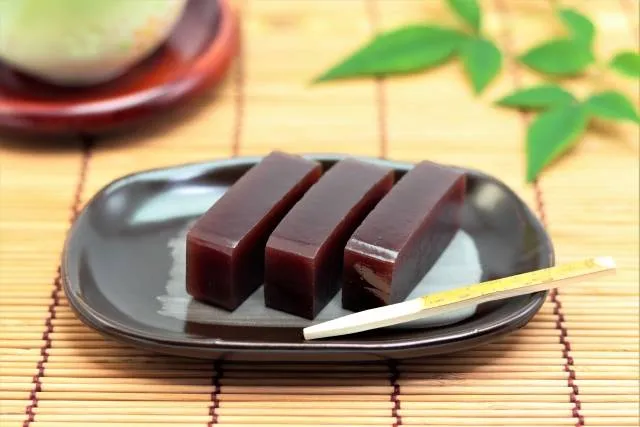
3. Liquid-Formulated Sweets: Yokan
Typically created by stewing sweet bean paste, sugar and Japanese agar, poured into a rectangular block to solidify, Yokan is a thick jelly. They are sold in blocks and are cut into slices when eaten. Different flavors are available such as fruits and beans.
Typically created by stewing sweet bean paste, sugar and Japanese agar, poured into a rectangular block to solidify, Yokan is a thick jelly. They are sold in blocks and are cut into slices when eaten. Different flavors are available such as fruits and beans.
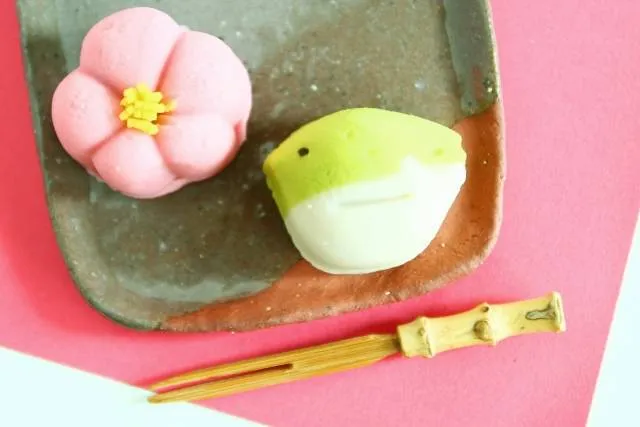
4. Kneading Sweets: Nerikiri
When we say Wagashi, perhaps the image that comes to mind is the high-end type of Namagashi called Nerikiri. Neri (lit. to knead) and Kiri (lit. to cut) describes the making process of the white bean paste used for this Wagashi. Each confectionary has a meaning, they’re colorful, pretty, and intricately crafted and are considered a high-end Japanese dessert used for tea ceremonies and special occasions. You’ll see Nerikiri of that season on display.
When we say Wagashi, perhaps the image that comes to mind is the high-end type of Namagashi called Nerikiri. Neri (lit. to knead) and Kiri (lit. to cut) describes the making process of the white bean paste used for this Wagashi. Each confectionary has a meaning, they’re colorful, pretty, and intricately crafted and are considered a high-end Japanese dessert used for tea ceremonies and special occasions. You’ll see Nerikiri of that season on display.
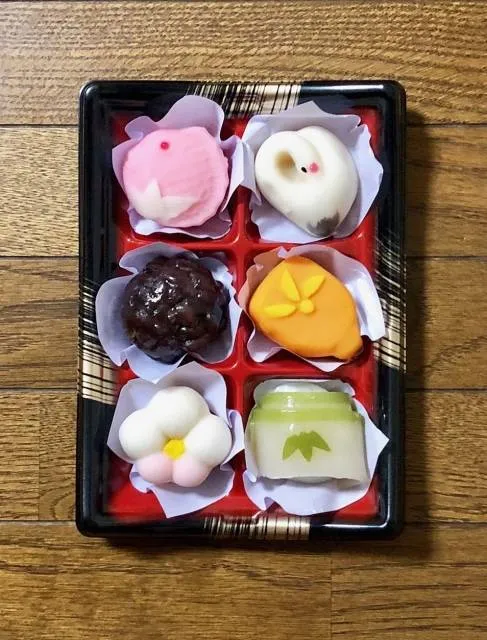
This is Nerikiri made for New Years. Things that represent good fortune, good luck or longevity are used in this set, such as the crane on the top left and bamboo on the bottom left. Colors used to make this set, and how they are arranged are also put in consideration. Appreciate the beauty, the texture, the colors, and moderate sweetness of the confectionary in little bites while sipping green tea.
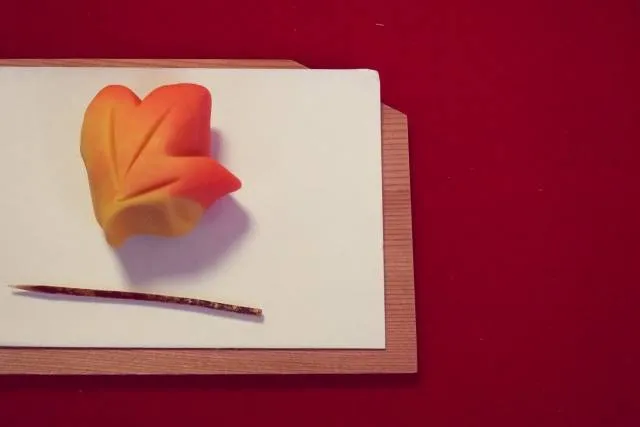
In Autumn, we see Nerikiri that represents foliage.
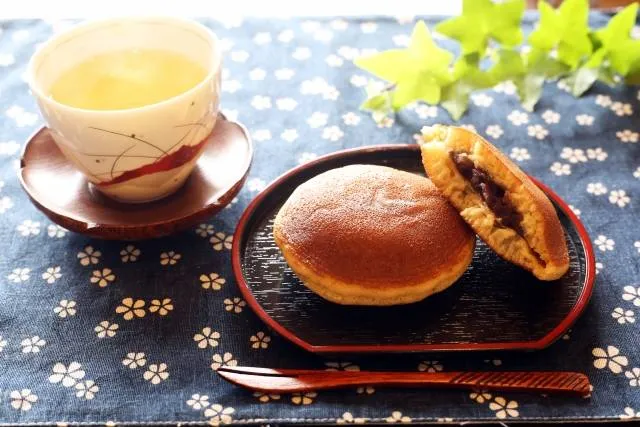
5. Baked Sweets: Dorayaki
Made by baking two pancakes with red bean paste in the middle. It’s soft and easily chewed and delicious, making it a popular dessert eaten by people of all ages. You can purchase good quality dorayaki at dorayaki shops, or more basic ones at convenience stores.
Made by baking two pancakes with red bean paste in the middle. It’s soft and easily chewed and delicious, making it a popular dessert eaten by people of all ages. You can purchase good quality dorayaki at dorayaki shops, or more basic ones at convenience stores.
How To Learn More About Wagashi
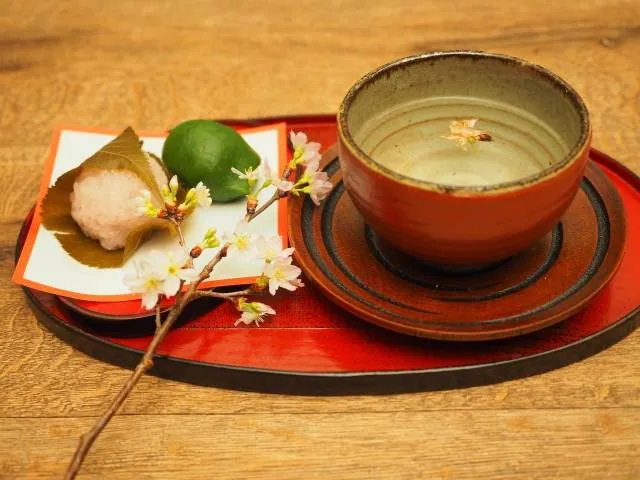
Many more different types of Wagashi that are not mentioned above exist. Walking around Asakusa in Tokyo, you will find many traditional Wagashi shops selling different kinds. A popular place to go for Wagashi is the basement of a department store too. Although Wagashi such as Daifuku and Dorayaki can be found in convenience stores, we recommend you to eat the very best made by traditional Wagashi shops.
Related Tour
Traditional Japanese Sweets - Walking Tour in Asakusa | WOW U
You can enjoy eating traditional Japanese sweets in Asakusa. Asakusa is the best tourists destination in Tokyo to experience the most vibrant and reminicent
Let a Tokyoite guide you through the best Wagashi shops in the historic Asakusa district. You can choose from a list of four recommended shops and enjoy the sweets while drinking delicious green tea and learning about their history.