Various types of Japanese green tea exist but Murakami tea is special.It is developed in small quantities, under unfavorable climatic conditions for tea leaves in Niigata prefecture.Come and enjoy fresh and bright green shincha or new tea, and experience the Japanese tea culture.
Japanese Green tea- what is Sencha and Shincha?
Japanese green tea is a national drink with over 1,000 years of history. Many restaurants serve it, instead of water, and it is the most consumed beverage in the country. Many people drink Japanese green tea, throughout the day and also drink it hot or cold. It plays a very significant role in our daily lives.
Various types of Japanese tea exist ,and the quality of tea can differ. The most famous is gyokuro (highest quality of Japanese green tea) and bancha (brown tea that is easy to drink and has little caffeine). In the summer, many people like to drink mugicha (barley tea, that various ages enjoy, including toddlers ). Sencha is the most common variety of tea, that is used by the Japanese community. . Sencha like most other Japanese green tea is steamed, instead of pan-fried. This process helps to preserve the green color of the tea leaves together with their sweet and refreshing flavor.
Tea leaves are picked two or three times a year. A type of sencha called shincha or new tea represents the first month’s harvest of Japanese tea leaves that year. Since Shincha tealeaves are picked early, the leaves are still young, soft, and low in catechin and caffeine. Compared to leaves picked on the second or third rounds, the first round makes the leaves less bitter and sweeter. Shincha tea is usually a bright green color with a fresh fragrance.
Shincha is a special sencha that is best to drink in spring (generally from end of March to June).
“Tea of the North”: Murakami Tea
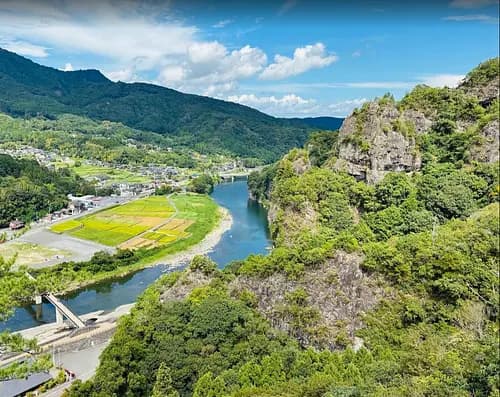
Murakami city locate in northern Niigata prefecture along the Japan Sea coast. With the ocean on one side of the country, mountains on the other, and rivers and streams in the middle, the city is full of beautiful natural landscapes.
If you hike up their symbolic mountain, Mount Gagyu, you can see ruins of the Murakami Castle. By the foothills, you can see local shrines and old samurai residences.
The city has a population of about 60,000, and is a great place to visit if you want to get away from the city and the crowds. Enjoy both the Japanese natural landscapes and an old city’s history. The city is famous for salmon, Murakami beef (wagyu), and Japanese green tea.
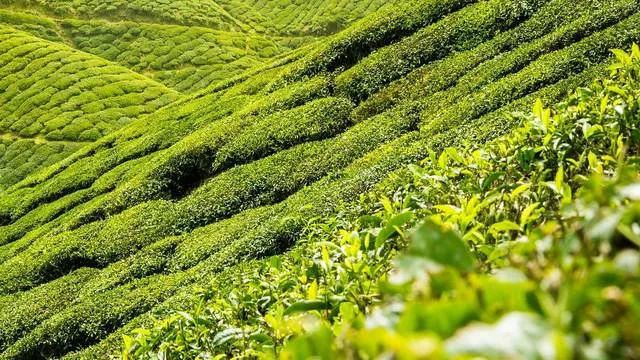
The tea that they develop is a type of sencha, called Murakami tea. Tea leaves are usually cultivated in warm climates, but the winter in Murakami city is long, cold, and snowy, which is an unfavorable climate for tea farmers.
Murakami tea is, therefore, a result of many years of studying which tea leaves can withstand the cold regional temperatures. Today, Murakami tea is known as the“tea of the north.” The tea leaves’ shorter exposure to the sun every day ,and long cold winters make Murakami tea different from other sencha. Murakami tea has little tannin, which means it’s sweet. As they are not produced in large quantities, most of it is drunk within the prefecture.
Since it’s hard to find in Tokyo and other major cities, Murakami tea would be an excellent souvenir for family and friends back home.
In the city, there are many “tea chammeliers”, or people who can teach you more about Murakami tea as well as other teas. Tea chammeliers can teach you about the Japanese green tea history and how to taste it, smell it, and enjoy the tea to its’ fullest. Hearing specialists talk about Murakami tea would be a fun way to interact with the locals there.
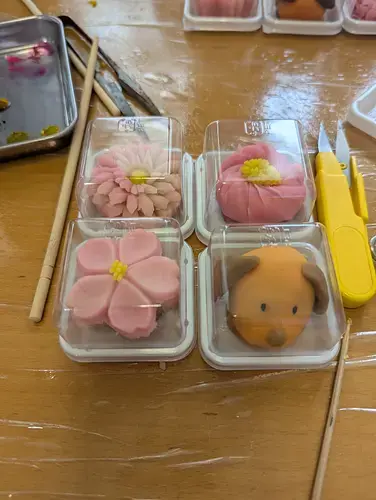
Also try having Murakami tea cakes, chocolates, ice cream and other Murakami tea based sweets that are available in the area. If you are up for it, also experience the actual Murakami“ tea leaves picking” (you can usually try if you go there in May).
Also try having Murakami tea cakes, chocolates, ice cream and other Murakami tea based sweets that are available in the area. If you are up for it, also experience the actual Murakami“ tea leaves picking” (you can usually try if you go there in May).
Experience the fresh and sweet flavor
The first harvest for shincha starts from warm regions such as Kagoshima, and gradually spreads north. The shincha for most regions are available in April but spring comes slowly in Murakami city, and the first harvest is usually at the end of May.
Why not visit Murakami city to enjoy Murakami tea’s shincha? You can talk with local “tea chammeliers” and also visit an actual Murakami tea farm like the Fujimien to have a full experience. There are other great activities, which you can experience while in the city, such as bathing in a Senami Onsen (hot spring) or dip your feet in the foot baths.
Foot baths are a great and easy way to feel refreshed, and to improve your blood circulation if the cold weather. Also, an interesting thing you can try is buying eggs and making boiled eggs inside a hot spring (eggs are available to purchase at hotels and souvenir shops for this purpose).
You can explore the Murakami castle and check out the townhouses there. Some townhouses are shops while others are used as homes.
If you want to visit sacred areas of the city, there are lots of temples and shrines, each with a different theme. A place with lots of local worshippers is the Urushiyama Shrine, which is a shrine that is worshipped by people who are involved with urushi (lacquer).
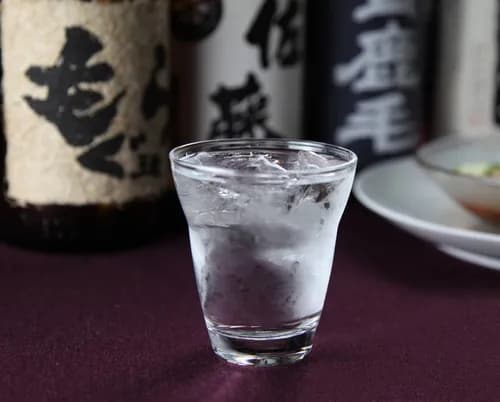
Lastly, don’t forget to try some fresh Murakami beef for dinner. Murakami beef is high quality and exceptional. In 1996, Murakami beef won first prize at the National promotion for delicious beef. They are raised by eating high-quality rice and live in a stress-free environment. Have it with local Murakami sake such as Shimeharitsuru and then end your meal with a good hot cup of Murakami tea.
How to Visit?
Take the Joetsu Shinkansen from Tokyo to Niigata station (2 hrs). Then take the Uetsu Main line to Murakami Station (1 hr).
Address: 4-19 Nagai-cho, Murakami, Niigata Prefecture 958-0844 (Fujimien)
TEL: +81-(0)254-52-2716 (Fujimien)
Address: 4-19 Nagai-cho, Murakami, Niigata Prefecture 958-0844 (Fujimien)
TEL: +81-(0)254-52-2716 (Fujimien)