Be unique and explore Japan like never. Experience traditional crafts and step back in time by riding a vintage tram instead of a train.
Summary
Be unique and explore Japan like never. Experience traditional crafts and step back in time by riding a vintage tram instead of a train. Learn and embrace the culture of Japan through these incredible activities.
Japanese Traditional Crafts and Trams
 Still deciding on what to see and experience in Tokyo? Tokyo’s major attractions, landmarks and sights are always worth a visit, but within a historical city like Tokyo there are other unique and interesting ways to make your trip unforgettable. In this article we will be discussing 2 highly recommended suggestions in Crafts and Trams.
Crafts: Get Crafty and Learn about Japanese Culture
 Why not spend some time creating traditional Japanese crafts! Not only will you learn about Japanese culture in the process, you will also have a unique handmade souvenir to take home with you. Various kinds of traditional craft workshops are open to the public. Here are two suggestions.
- Craft of Silk: Handicraft Workshops At Traditional Hina Doll Shops
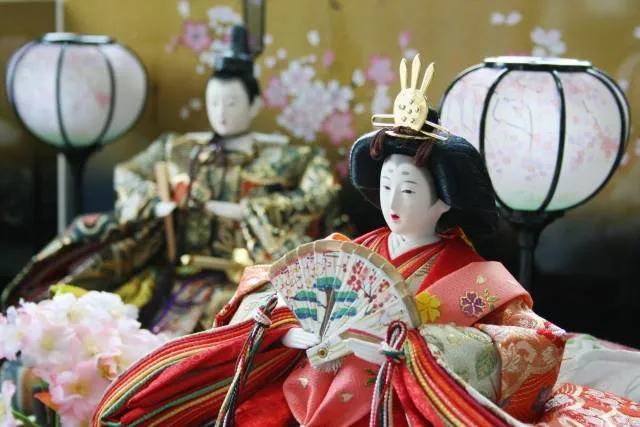
Have you ever seen a traditional Japanese Hina doll? They are a set of special dolls that are displayed in the homes of Japanese families with a new born girl. The dolls represent the imperial court of the Heian period (794-1192) and are dressed in traditional Japanese costumes. They are believed to protect girls from misfortune. Families who live within cities that have little space may only have an emperor and empress displayed. 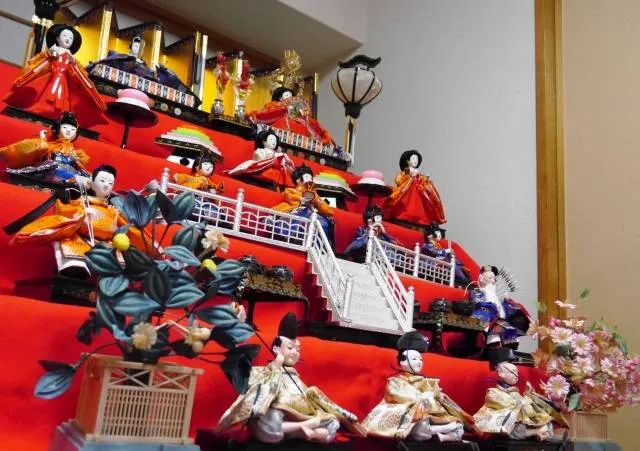 Others typically display five to seven tiers of dolls (like above), with the emperor and empress at the top tier and attendants plus musicians on the other tiers. Often a set of hina dolls is handed down within the family from generation to generation, or given to a young family as gift when a girl is born. It is usually displayed towards the end of February, then stored away after the annual ceremonial Girl’s Day which falls on March 3rd. It’s believed that if the display is left out after the celebration has ended, the girls in the family will have trouble getting married in the future.
Traditional hina dolls are handmade by professional craftsmen. One of the features that stand out is their luxurious clothing. Some of them wear kimonos made of beautiful Japanese traditional silk called the Nishijin brocade. Handmade in Kyoto, it’s woven after the threads are dyed, making the fabric sturdy and wrinkle-resistant. Designs range from simple to intricate.
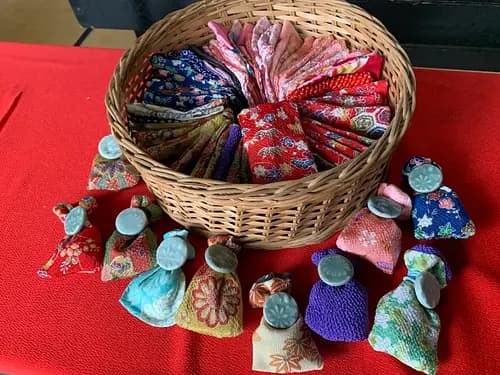
Some of these Hina doll shops hold drop-in handicraft workshops (no art experience necessary). One example is making card cases using the wonderful fabric Nishijin Brocade used for the kimonos of Hina dolls. Join a workshop and make your one-and-only card case with beautiful Japanese patterns. 2. Craft Of Paper: Lantern Workshop At Traditional Japanese Lantern Shop
Walking down a busy Tokyo street you might notice some paper lanterns hanging in front of ramen shops and izakaya restaurants, plus many of them lined up beautifully at traditional Japanese festivals.
Paper lantern in Japanese is “Chochin”, which literally translates to hanging light. 500 years ago, paper lanterns were used to provide light and safety at night when people walked the streets. Within the lantern, candles were originally used for many centuries, but electric lights have since replaced them. The handmade lanterns are still made by using bamboo and Japanese traditional paper called Washi.
Some of the traditional Japanese lantern shops offer introductory beginner workshops on how to make your own paper lantern. They are offered to the public and no previous art experience is required to attend.
Once you're ready and comfortable with the process, the owner will assist you in choosing a Japanese kanji character to be personally painted onto your lantern. In most cases people choose characters that symbolize love, family, Japan or their own name. After choosing the kanji, the owner writes down the kanji onto a piece of paper, then you personally copy the kanji onto the lantern. The last and final stage of the process is to fill your successfully written Kanji with black ink, then dry it using a blower.
Hang it from your ceiling back home and it’ll be a perfect daily reminder of your fabulous time in Japan. It should also be noted the lanterns can collapse and easily fit into your suitcase.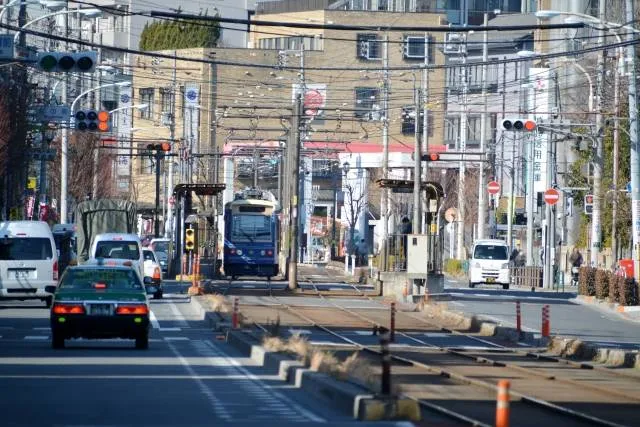 3. Riding A Tram
Trams were heavily relied upon for commuting in Japan during the 1950’s and 1960’s. However, with more people owning their own cars and vehicles, and as other means of transportation such as subways and trains developed, trams started to vanish from the country. Various locations such as
Nagasaki, Hiroshima, Kumamoto and Kagoshima have preserved tram lines for their vintage appeal and to promote tourism of Japan.
Although it’s not a popular tourist activity, there is one tram that still exists in Tokyo called the Tokyo Sakura Tram (Toden Arakawa Line). This tram line takes you to some really deep local areas of Tokyo like Sugamo, or otherwise known as “Grandmother’s Harajuku.” There are many delicious food stands within the town so it’s a great place to experience traditional Japanese Food and watch elderly women shop.
How To Join A Workshop
 You will find most traditional shops may not have the facilities to accept credit card as payment, so it's highly recommended to offer payment in cash to avoid any concerns or issues. Reservations in advance will always ensure your spot is secured for these popular workshops. Not many shops have the ability to explain the workshop in English or to assist you with your reservation unless you're comfortable talking in Japanese. Planning with a Japanese friend to assist you with the booking or joining the tour could be a solution. A popular alternative is to join an organised tour with a guide to translate.
Making your one-and-only traditional Japanese souvenir to bring back home is one way of enjoying Japan. Not only will you be able to learn about Japanese culture through that experience, you will have the opportunity to talk face to face with talented craftsmen who make wonderful traditional Japanese crafts. Riding a tram to see parts of Tokyo you would otherwise probably not see is also worth considering.
Information
To get to Sugamo area by Tram: From Tokyo Haneda airport, ride the Keikyu line to Shinagawa station (12 min), then transfer to JR and head to Otsuka station by Yamanote line (32 min). From Otsuka station, walk to the tram line and ride the tram to Koshinduka station (4 min). ### Reference Listhttps://www.kotsu.metro.tokyo.jp/eng/services/streetcar.html